In brief
With the expiration of enhanced tax credits for Affordable Care Act coverage, families across the United States are scrambling to adapt to rising health insurance costs. Many are forced to downgrade their plans or go without insurance, creating financial strain and uncertainty. Personal stories from a military veteran in Wisconsin to a single mom in Nevada highlight the tough decisions that lie ahead as Congress remains inactive on addressing these issues.
NEW YORK (AP) — For one Wisconsin couple, the loss of government-sponsored health subsidies next year means choosing a lower-quality insurance plan with a higher deductible. For a Michigan family, it means going without insurance altogether.
For a single mom in Nevada, the spiking costs mean fewer Christmas gifts this year. She is stretching her budget already while she waits to see if Congress will act.
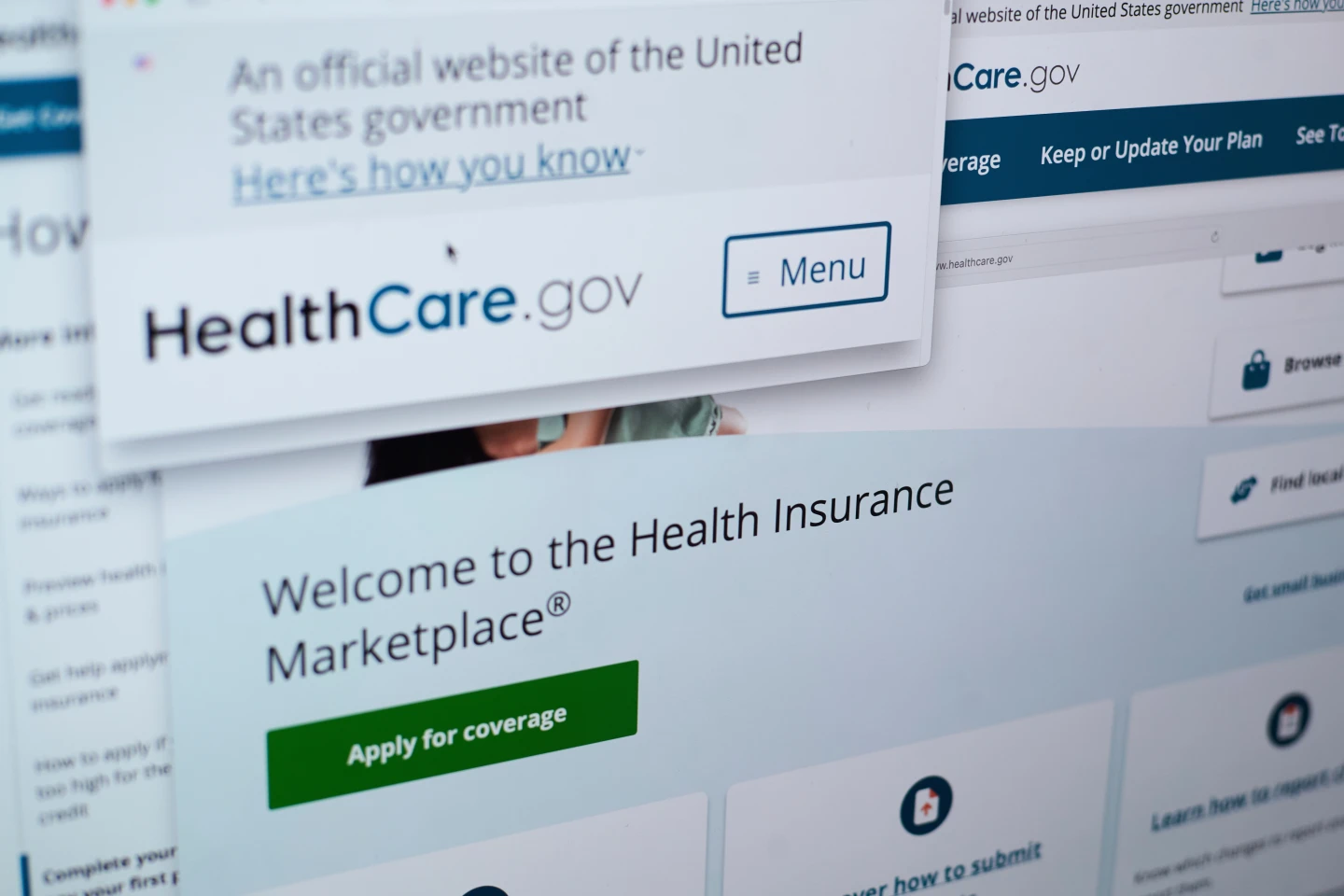
Less than three weeks remain until the expiration of COVID-era enhanced tax credits that have helped millions of Americans pay their monthly fees for Affordable Care Act coverage for the past four years.
The Senate on Thursday rejected two proposals to address the problem and an emerging health care package from House Republicans does not include an extension, all but guaranteeing that many Americans will see much higher insurance costs in 2026.
Chad Bruns and his wife, Kelley, both retirees in Wisconsin, are bracing themselves for the financial fallout. Their top-tier gold-level plan is set to rise from $2 per month to $1,600, forcing them to downgrade to a bronze plan with a $15,000 deductible.
Meanwhile, in Michigan, Dave Roof's family, which has relied on ACA insurance since its inception, is facing an increase from $500 to $700 per month, compelling them to consider going without coverage.
In Nevada, single mom Katelin Provost anticipates her monthly premium rising from $85 to nearly $750, leading her to consider dropping her own coverage while retaining it for her daughter.
The stories reveal the real impact of policy changes; families are being pushed to make difficult financial sacrifices and adjustments as they navigate escalating health care costs amidst uncertainty.