In brief
In the aftermath of the January 2025 wildfires that devastated Altadena, California, residents are facing serious health risks due to hazardous pollutants left in their homes. Reports indicate that many homes still contain dangerous levels of toxic substances like lead and asbestos. Insufficient insurance support complicates the cleanup process, resulting in a mental health toll on impacted families. Experts emphasize the need for better regulation and immediate action to ensure safe living conditions.
ALTADENA, Calif. — A grim reminder hangs on the front doors of homes in Altadena: DANGER: Lead Work Area. Besides causing potential harm to fertility and unborn children, these multiple alerts echo a haunting reality of lingering contaminants.
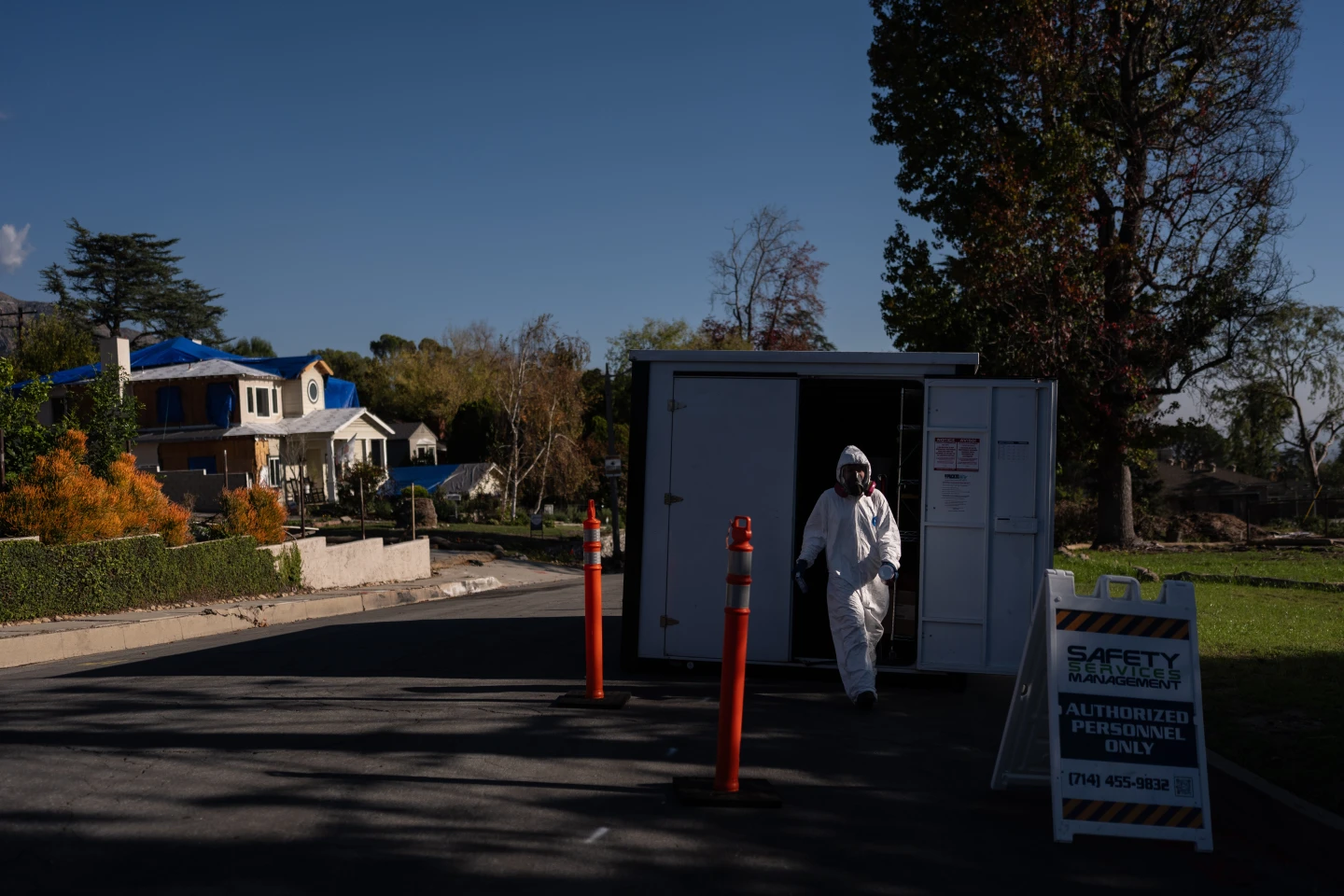
As residents attempt to reclaim their lives after last year’s catastrophic wildfires, many have returned to homes filled with toxic remnants. House cleaners and hazardous waste workers can be seen wearing protective gear as they meticulously sanitize homes damaged by smoke and ash.
After two fierce fires ignited on January 7, 2025, over 31 lives were lost, and nearly 17,000 structures, including homes and schools, were destroyed, causing mass displacements.
While long-term effects of indoor air quality after the wildfires continue to be poorly documented, experts warn that dangerous chemicals linked to serious health issues remain in the ashes. The aftermath of toxic pollutants, including lead, especially concerns families who find themselves navigating a precarious balance between necessary remediation and financial constraints.
Many residents, like Nina and Billy Malone, returned home after their insurance assistance ended, only to find their indoor environments hazardous. Nina suffers from a sore throat and headaches, characteristics of homes harboring toxic lead and allergens. Test results showed lingering lead contamination despite extensive cleaning efforts. She expressed trepidation over the unregulated contaminants still tainting their space, turning their former haven into a health risk.
The local volunteer group, Eaton Fire Residents United, reported alarming findings: over 60% of homes still show dangerous levels of lead and asbestos, with lead levels significantly surpassing EPA standards. These contribute to a lurking threat, notably for children and pregnant individuals. Pediatricians stress the importance of eliminating lead exposure, citing an increased risk of serious health issues.
Amidst a backdrop of anxiety, many families are trapped in a hazardous cycle, struggling with insurance claims while confronting the reality of their contaminated homes. The haunting phrase “We have to live in the scar” encapsulates their ongoing battle with both physical and psychological trauma.
The community's painful journey underscores the need for more rigorous regulations on insurance coverage for fire-damaged properties, as families continue to endure long-term repercussions from the fires.