In brief
Private well owners are increasingly vulnerable to harmful PFAS contamination, as federal regulations do not extend to these individual water sources. This article explores the experiences of affected communities, regulatory challenges, and the disparities in testing and remediation efforts across states. A case study from Wisconsin reveals the desperate situation faced by families dealing with contaminated drinking water.
Approximately 40 million Americans rely on private wells for their water supply, making them particularly vulnerable to harmful forever chemicals, known scientifically as PFAS. These chemical compounds, notorious for resisting degradation, have become increasingly pervasive in various environments. This issue remains acute for private well owners, who often discover contamination problems far too late.
The federal government has enacted stringent limits on PFAS in public drinking water supplies, enforcing regular testing protocols. However, these regulations fail to encompass private wells, leaving homeowners near industrial zones unaware of the dangers embedded in their drinking water.
PFAS are used widely due to their ability to resist heat, oil, and grease; they can be found in products ranging from waterproof clothing to firefighting foams. Unfortunately, these chemicals do not break down readily in the environment and have been linked to serious health risks, including cancers and developmental delays in children.
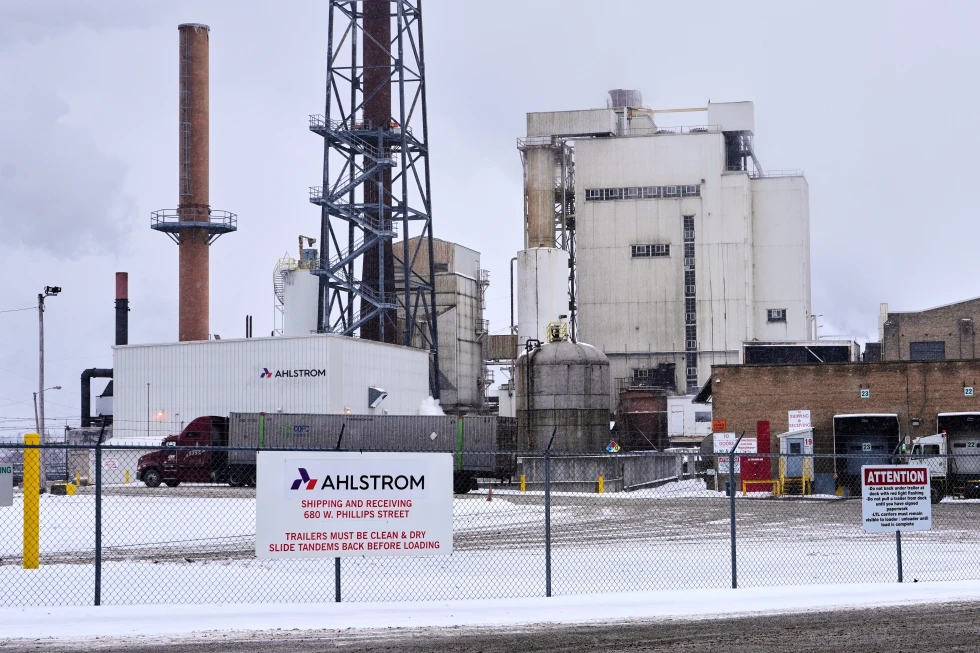
As illustrated by a recent investigation, one geographic area can suffer while another remains blissfully unaware. For instance, some households in Peshtigo, Wisconsin, experienced varied degrees of assistance when PFAS was discovered from a nearby industrial site, leading to inconsistent testing and remediation efforts. The convoluted logistics of addressing individual wells means some families may not receive help even though they live just streets away from those receiving aid.
States bear the responsibility for addressing these contamination issues, resulting in a patchwork of policies and awareness campaigns. An alarming number of states—at least 20—do not conduct testing for PFAS in private wells except in areas of known concern, thus leaving many well owners to fend for themselves. Meanwhile, places like Michigan have been proactive in testing and providing support to owners, revealing the disparate landscape of state policy.
The urgent need for a cohesive national strategy to address drinking water safety is emphasized by recent discoveries like that of Kristen Hanneman in Wisconsin, where dramatic elevations in PFAS levels were recorded in her well. Such revelations have profound implications for community health and safety, something that both state and federal agencies must prioritize.
Ultimately, the long-standing issue of PFAS contamination illustrates that while private well ownership may provide autonomy and save money, it can also expose families to hidden risks. Without adequate regulation and timely intervention, communities may be left vulnerable to the detrimental health effects of polluted water supplies.