In brief
A parliamentary investigation in Kenya has uncovered grave accusations against British soldiers, alleging decades of sexual abuse, extrajudicial killings, and environmental neglect while training in the country. The inquiry highlighted testimonies from affected communities, detailing harrowing incidents and calling for accountability. The UK High Commission has expressed regret over the findings, while emphasizing their readiness to investigate any new evidence.
Kenyan MPs Accuse British Soldiers of Decades of Sexual Abuse
Kenya's parliament has accused British soldiers of decades of sexual abuse, killings, human rights violations, and environmental destruction while training in the country.
The report detailed harrowing testimony from communities in Laikipia and Samburu counties, near the military training bases.
The British soldiers are accused of evading accountability by refusing to cooperate with the parliamentary investigation. The UK High Commission in Kenya said it regretted that its submission was not reflected in the report's conclusions and affirmed its readiness to investigate the allegations under our jurisdiction fully, once evidence is provided.
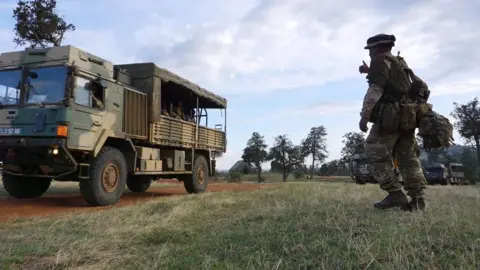
For decades, troops from the British Army Training Unit in Kenya (Batuk) have been training in central Kenya, but their presence has long attracted controversy, with soldiers accused of misconduct and rights abuses.
In a 94-page report following a two-year inquiry, Kenya's parliamentary Committee on Defence, Intelligence and Foreign Relations accused Batuk of continued ethical breaches, rights violations, and environmental negligence, as well as employment and labour concerns.
The report cited oral and written submissions from affected civilians, victims, community leaders, civil society organisations, and public agencies.
Among the worst cases was the 2012 murder of Agnes Wanjiru, whose body was found in a hotel septic tank in the central garrison town of Nanyuki, nearly three months after she was alleged to have spent an evening with British soldiers. A former British soldier accused of her murder was arrested last month and now faces extradition to Kenya.
The investigation group reported instances of sexual violence perpetrated by Batuk soldiers, particularly against women from the Samburu and Maasai communities. It stated, Cases of rape and sexual violence by Batuk soldiers remain unresolved, and justice has not been served to the victims. Survivors of sexual violence indicated that often, their cases were dismissed or poorly handled by local authorities.
The report also highlighted environmental concerns, noting that Batuk soldiers have neglected to conduct the legally required environmental assessments for their activities. Incidents of health issues and livestock deaths due to military waste were reported by residents, raising alarms over toxic fumes generated by military exercises.
In response to the allegations, Batuk has asserted that it has a zero tolerance for sexual exploitation and abuse and has maintained compliance with Kenyan environmental regulations. Despite this, the investigating committee recommended major reform in the oversight of British military presence in Kenya, arguing that existing structures allow for loopholes that hinder accountability.
This situation has prompted calls for diplomatic discussions to amend current agreements to ensure transparency and justice for victims of both human rights violations and environmental degradation.