In brief
A looming deadline of 30 June for undocumented migrants to leave South Africa is fueling violent intimidation, widespread protests, and a government crackdown dubbed Operation New Broom. The protests, organised by groups such as March and March, have been met with threats from local men wielding machetes, leaving families like Esnat Joseph terrified. While the government promises a five‑point strategy to curb illegal migration, the crisis has exposed deep socioeconomic grievances, high youth unemployment, and fears of xenophobic violence. Amidst calls for mercy, politicians warn that the problem cannot be solved by simply expelling migrants.
South Africa is on the brink of a major migration shift. A deadline set by anti‑migrant protestors for undocumented migrants to leave by 30 June is drawing sharp focus to the safety of thousands of foreign residents, many of whom have no legal status in the country.
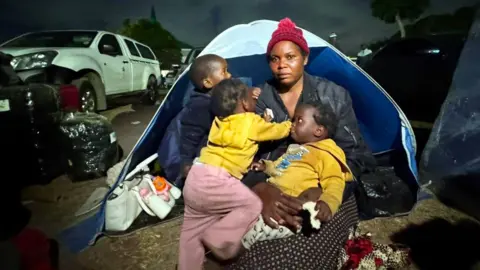
One such resident, 36‑year‑old Esnat Joseph from Malawi, told us she fled her home in Durban after a group of local men, carrying machetes and whips, ransacked her house and threatened her family with violence. “They cut my husband on his head and neck and held him like they wanted to kill him,” she said, “and I am very scared and traumatised.” The incident reflects a growing pattern of door‑to‑door intimidation that has led more than 7 000 migrants to line up in an open field outside Durban, hoping for buses that will return them to their home countries.
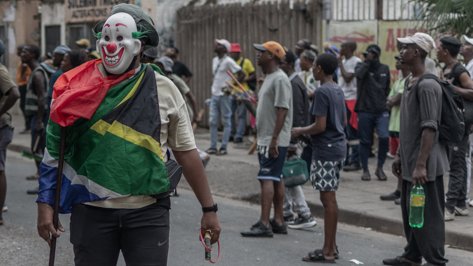
The protestors, mainly men marching in traditional Zulu garb, chant “Mabahambe” – meaning “They must go” – as they demand that South Africans prioritize their own citizens. Their 30 June deadline, prompted by groups such as March and March and the opposition party ActionSA, has sparked debates about legality and ethics. President Cyril Ramaphosa warned that scapegoating vulnerable families would not solve South Africa’s complex economic challenges, yet he also promised a five‑point strategy that includes stricter asylum checks, a quota for naturalisation and extending digital ID beyond South African citizens.
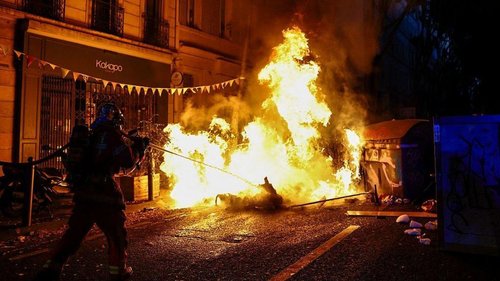
As the government cracks down, Operation New Broom has been in progress, with excavators demolishing informal shops run by undocumented migrants in Johannesburg and 40,000 illegal immigrants arrested so far this year. But the crackdown has not quelled fears: many migrants, including a Burundian woman with refugee status, are forced to camp outside the Home Affairs office for protection, while Malawian, Nigerian, Moocain and other foreign nationals face harassment in public spaces, often being asked “If you come to South Africa with a passport for 30 days, how long can you stay?”.
The crisis hints at deeper issues. South Africa’s unemployment rate sits at 32.7%, with 350 000 job losses recorded in the first quarter of 2026. Protestors say the lack of jobs, the strain on public services and the perceived influx of foreigners have pushed them toward violent expressions. But authorities insist that the response cannot be one‑sided, noting that many migrants only seek work in sectors where local residents have limited opportunities.
The coming elections in November add another layer of tension, with politicians twisting migration fears into platform points. Whether the government’s Operation New Broom can ensure safety and fairness while maintaining social cohesion remains contested, and the world watches as a country grapples with a crisis it has faced repeatedly in the past.