In brief
In the wake of weeks of violent road blockades, Bolivian President Rodrigo Paz has declared a state of emergency, granting himself expanded authority to dismantle protest barriers. The move follows a deal with the country’s largest union and signals a government effort to restore order, but independent groups argue that violence and shortages will persist. Congress must review the decree within 72 hours, while the unrest—driven by miners, farmers and indigenous activists—continues to disrupt daily life and strain public resources.
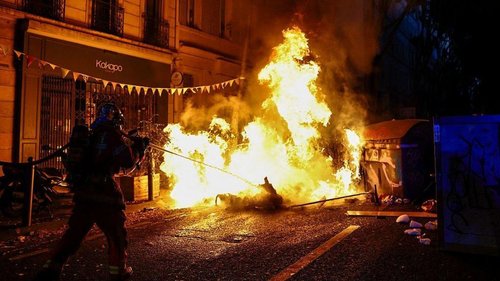
President Rodrigo Paz has announced a state of emergency after a series of weeks of protests demanding his resignation. The declaration grants the president expanded authority to dismantle roadblocks constructed by demonstrators that have paralysed large parts of the country and created shortages of basic goods.
In a statement, the president said the measure would “free the country's roads” and restore normalcy. It also allows for the deployment of police and military forces to clear blockades quickly.
Bolivia’s congress will need to approve or reject the emergency law within 72 hours of its proclamation, according to national statutes.
Blockades are led predominantly by miners, farmers and indigenous groups, and began at the end of April following a land‑reform proposal. The government reprieved the reform, but territorial grievances over cuts to fuel subsidies and other austerity measures persist.
Hundreds have been arrested, and several fatalities have been reported during the unrest. Protesters continue to call for the re‑instatement of fuel subsidies, a rollback of austerity measures, and the resignation of President Paz.
Paz’s description of the crisis as an organised destabilisation attempt has drawn accusations from left‑wing figures, particularly former president Evo Morales, who denies involvement. Morales’s supporters remain sceptical of the emergency powers, arguing it may suppress democratic dissent.
Even after a controversial bill was passed by Congress last month to make it easier to declare emergencies, people outside the capital still parade in street protests. Police and military personnel appear in main squares as tensions crackle throughout the nation.
While the president has attempted to pacify the populace—shuffling his cabinet, cutting his own salary and that of ministers, and announcing a council for dialogue—the supply chain disruptions and sense of insecurity remain acute.