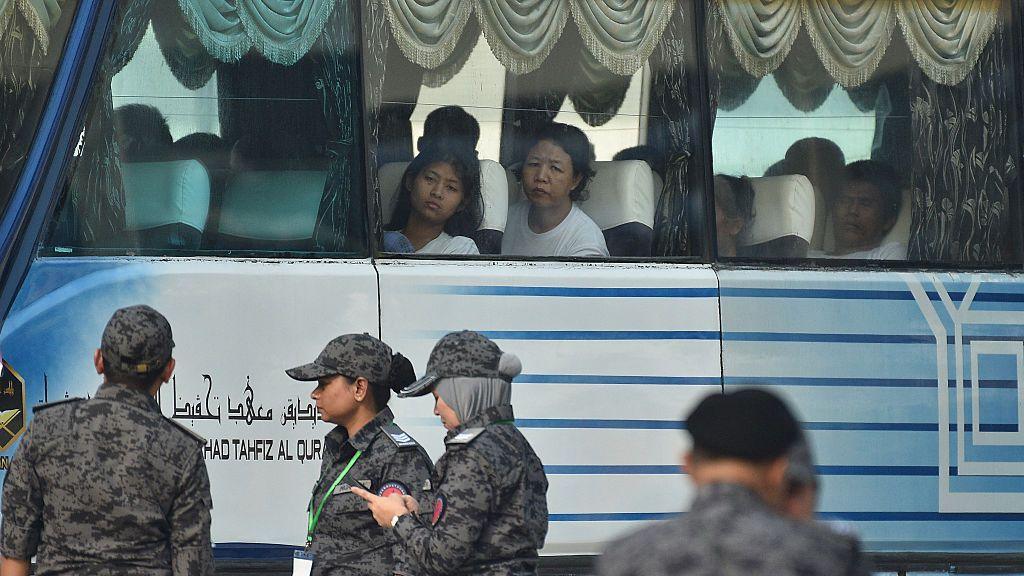
A bell‑rapped field in Durban has become a temporary refugee camp where up to 7,000 people—most of them Malawians with no legal papers—await buses to return home. The cramped space is watched by protest demonstrators who have set 30 June as the deadline for undocumented migrants to leave, demanding the government empty the country of “illegal immigrants.” Around the field, aid workers supply blankets and food while headlines drum the urgency of the situation.
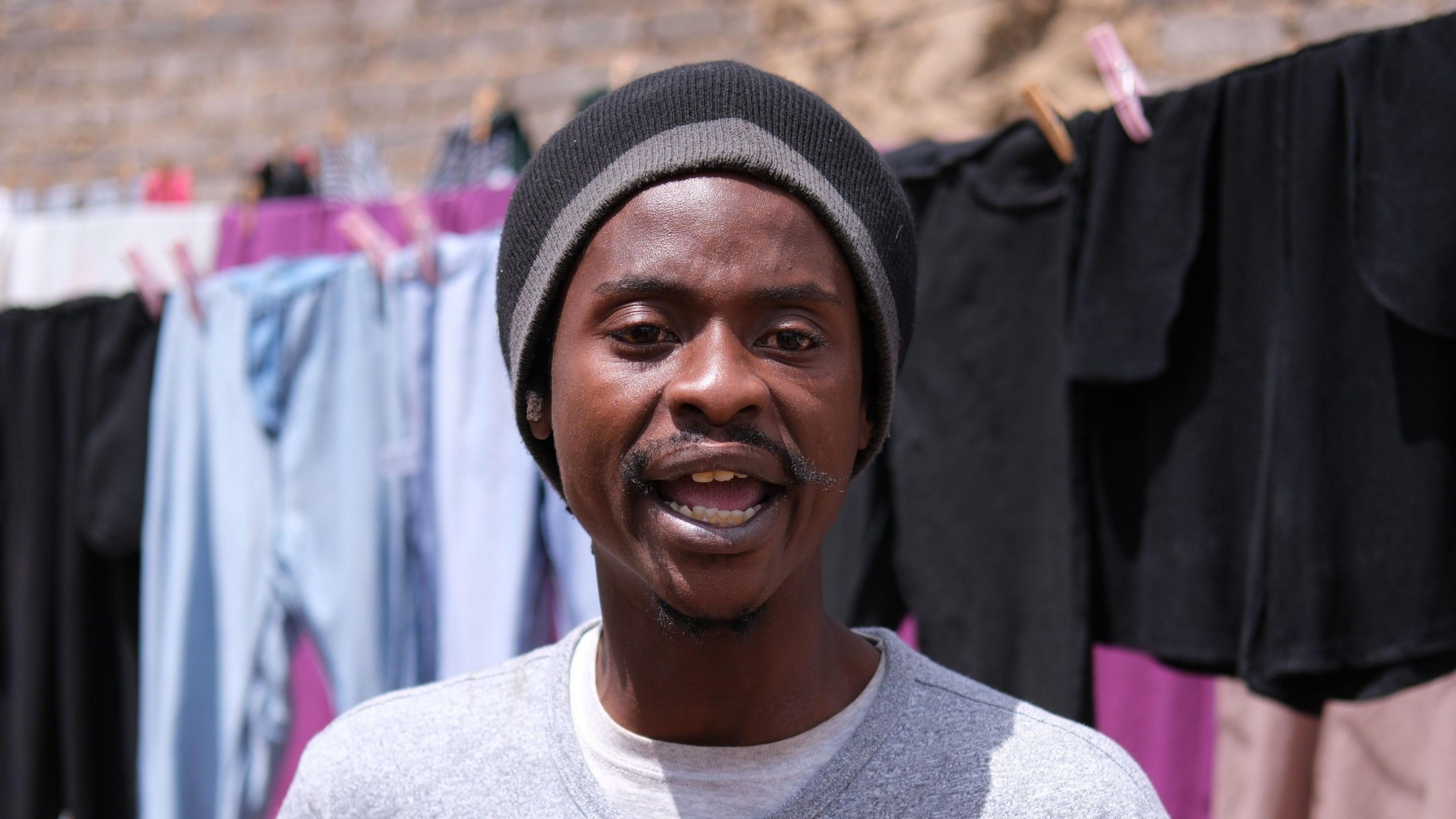
"We are scared for our lives," says 36‑year‑old Esnat Joseph, a Malawian woman who escaped an armed mob that threatened her property with machetes. She saw her husband forced to a cutting injury; he survived but was hospitalized. Her story is echoed by many: women confined outside the Home Affairs office, children fearing school, and traders trapped by the lack of legal identity.
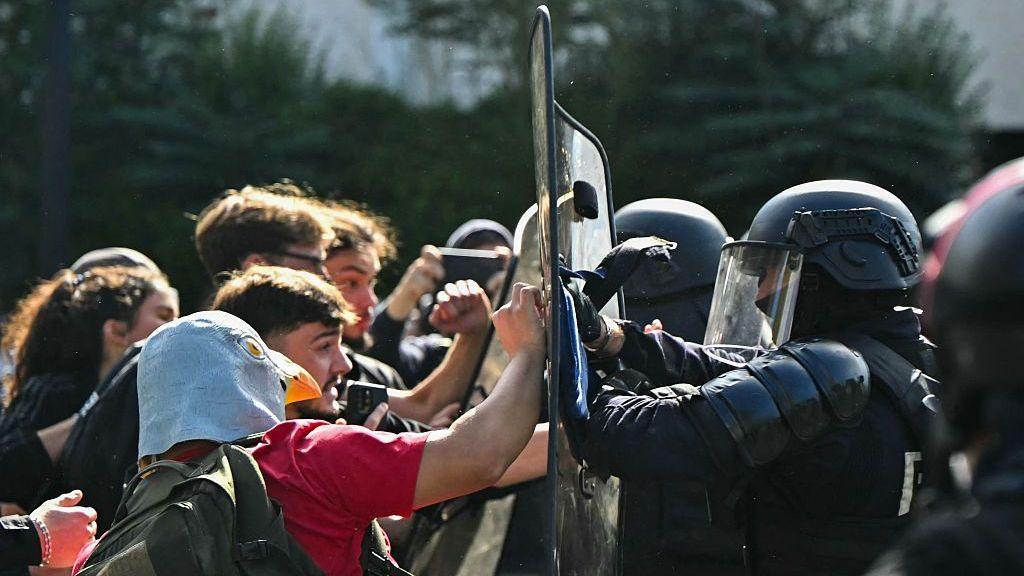
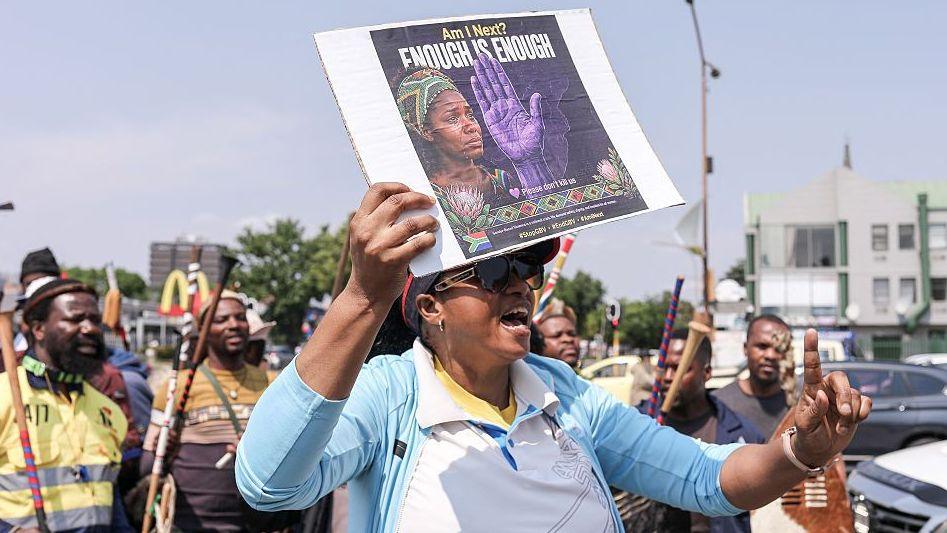
The protestors—led by March and March, Action SA and other civic groups—insist that the “scapegoating of vulnerable people” is not a solution to South Africa’s economic distress. They call for a clear exit for migrants and deny their claims of xenophobia, citing “playing the victim card” by people who argue that other Africans abuse the system.
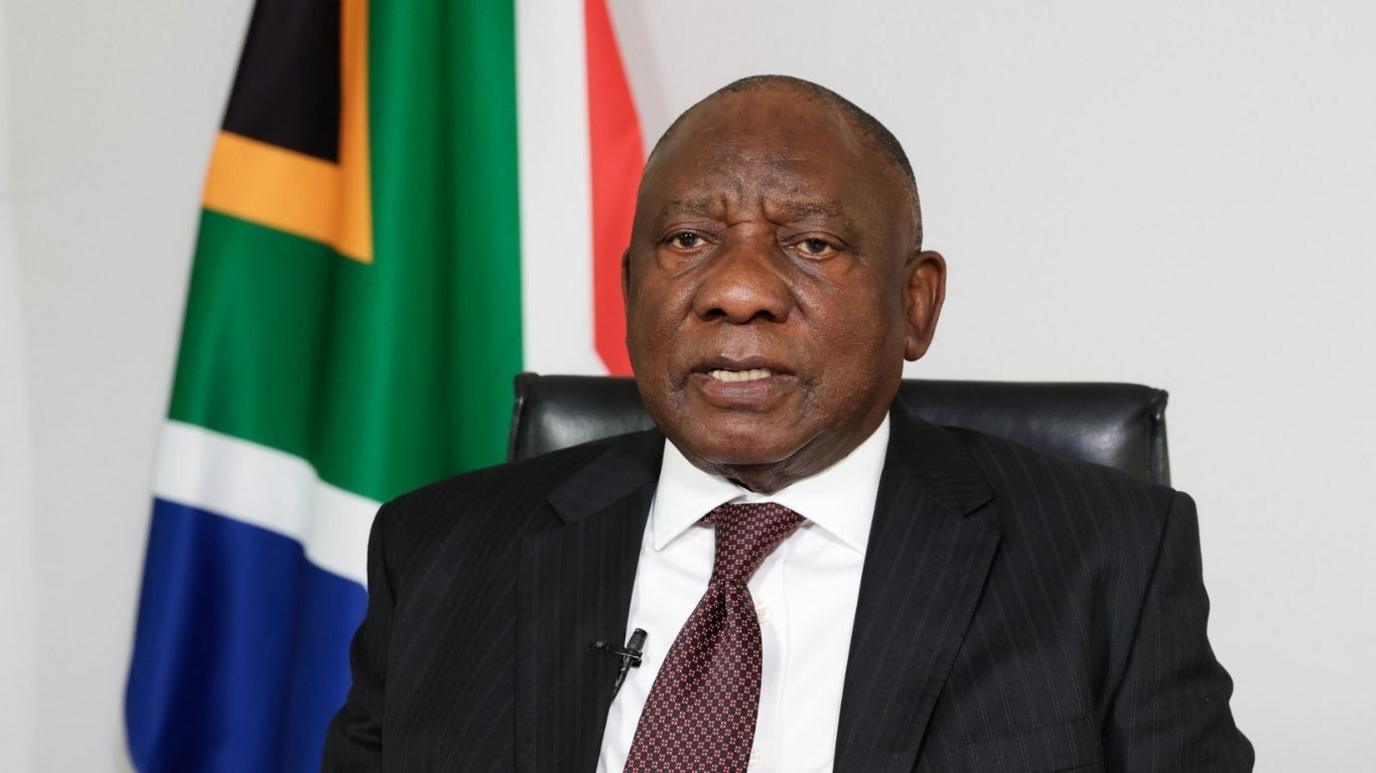
President Cyril Ramaphosa announced a five‑point strategy that includes refusing asylum from travellers who have passed through other safe countries, setting quotas for naturalisation, expanding digital IDs to non‑citizens and prosecuting employers who hire undocumented workers below official wages.
The front lines of the crackdown are Johannesburg’s informal shops, where Operation New Broom has bulldozed buildings used by migrants. At the same time, 40,000 illegal immigrants have been arrested this year, her authorities say, and flights are being arranged worldwide—about 3,500 people have already signed up to leave.
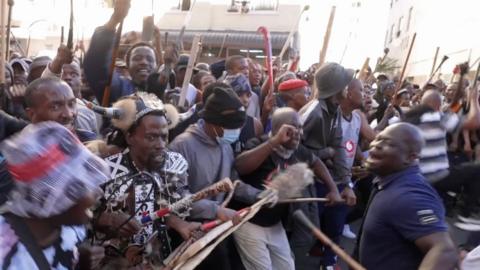
Despite the government’s stance, fears of a return to the violent xenophobic riots of 2008, 2015 and 2019 loom. In Durban, the countdown to 30 June has become a backdrop for chants like “Siyahamba” (we’re leaving) and “Mabahambe” (they must go). While protests are mostly peaceful, the message is unambiguous: illegal migration must end before the country’s resources become strained again.