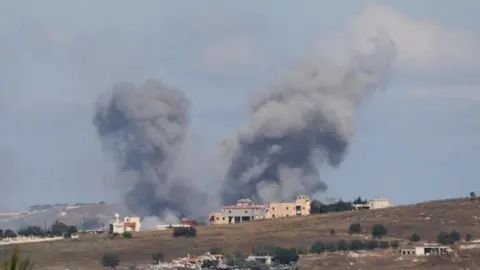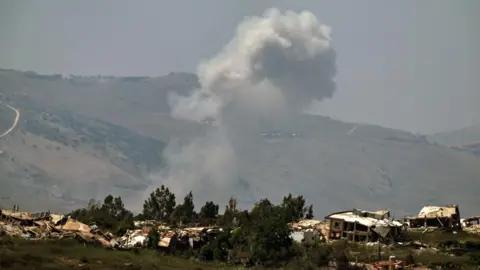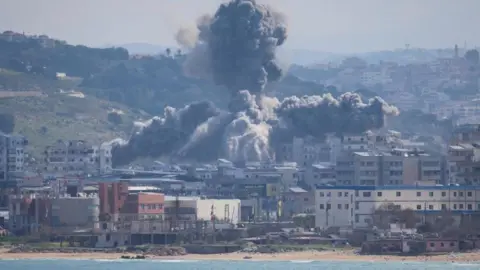
The Israeli military has conducted a series of airstrikes in southern Lebanon on Wednesday morning, suggesting that the ceasefire agreement between the US and Iran does not include Lebanon, where Israel continues to confront the Iranian-backed group Hezbollah. Airstrikes targeted regions including Tyre and Nabatieh shortly after the ceasefire was declared. Israeli Prime Minister Benjamin Netanyahu denied claims from Pakistan, the mediator of the deal, which suggested the agreement might also cover the ongoing conflict in Lebanon.
The conflict has resulted in over 1,500 fatalities in Lebanon, including the deaths of 130 children, and has displaced approximately 1.2 million people, representing one-fifth of the country's population, predominantly from Shia Muslim areas within southern Lebanon. Villages near the border have suffered extensive destruction as Israeli forces aim to establish a security buffer zone intended to dismantle Hezbollah’s operational capabilities and push its fighters away.
Despite the announced ceasefire between the US and Iran, no immediate response has been received from the Lebanese government or Hezbollah. This escalation follows the Iranian group's retaliatory actions after the death of a significant Iranian leader in the initial stages of the larger conflict that began in late February.
Military sources from Israel indicate a shift in strategy, acknowledging that forcing Hezbollah to disarm will be improbable. Additionally, criticism of Hezbollah is rising within Lebanon, as many citizens blame the militia for instigating the war that has devastated the country.
The displacement crisis exacerbates Lebanon's existing socio-economic challenges, with schools overflowing as shelters and rising sectarian tensions among the displaced populations fearing further Israeli strikes. Following a ceasefire deal proposed in 2024, Lebanon's government has signaled willingness to directly negotiate with Israel, an offer that has yet to receive a response.
The conflict has resulted in over 1,500 fatalities in Lebanon, including the deaths of 130 children, and has displaced approximately 1.2 million people, representing one-fifth of the country's population, predominantly from Shia Muslim areas within southern Lebanon. Villages near the border have suffered extensive destruction as Israeli forces aim to establish a security buffer zone intended to dismantle Hezbollah’s operational capabilities and push its fighters away.
Despite the announced ceasefire between the US and Iran, no immediate response has been received from the Lebanese government or Hezbollah. This escalation follows the Iranian group's retaliatory actions after the death of a significant Iranian leader in the initial stages of the larger conflict that began in late February.
Military sources from Israel indicate a shift in strategy, acknowledging that forcing Hezbollah to disarm will be improbable. Additionally, criticism of Hezbollah is rising within Lebanon, as many citizens blame the militia for instigating the war that has devastated the country.
The displacement crisis exacerbates Lebanon's existing socio-economic challenges, with schools overflowing as shelters and rising sectarian tensions among the displaced populations fearing further Israeli strikes. Following a ceasefire deal proposed in 2024, Lebanon's government has signaled willingness to directly negotiate with Israel, an offer that has yet to receive a response.