By Brandon Livesay, New York
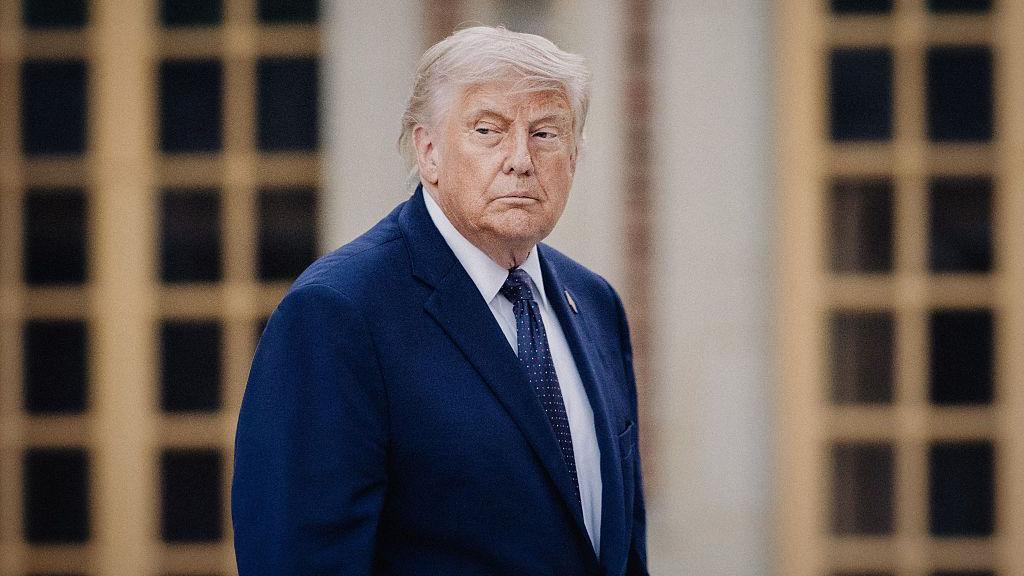
In a major diplomatic shift, US President Donald Trump announced Saturday that a peace deal with Iran has been 'largely negotiated,' with the critical reopening of the Strait of Hormuz included in the framework. The president shared the news on social media, stating: 'An agreement has been largely negotiated, subject to finalization between the United States, Iran, and other nations as listed. Final aspects and details of the deal are currently being discussed and will be announced shortly.'
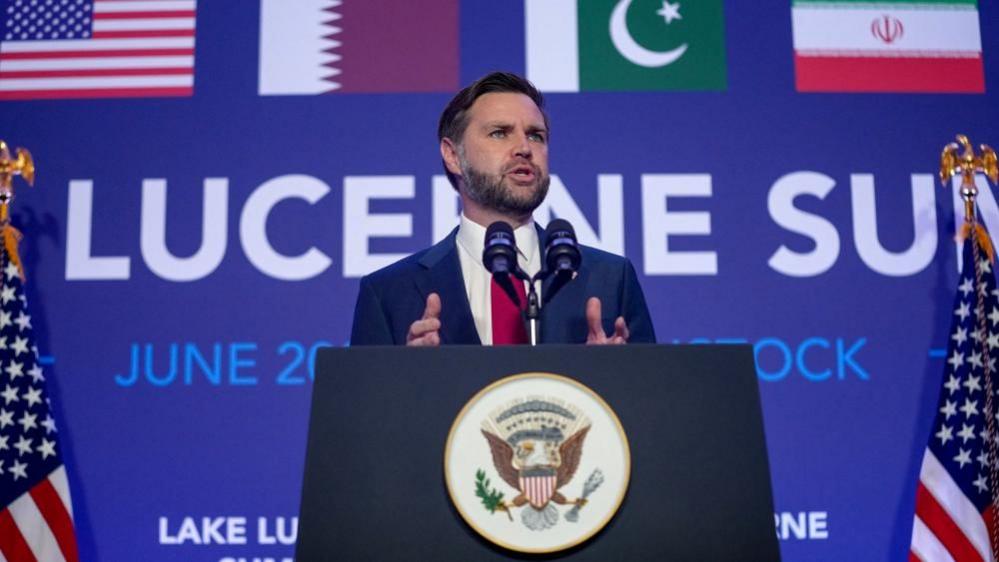
Trump's announcement followed high-stakes calls with Saudi Arabia, the UAE, Qatar, and other Gulf leaders, where he detailed discussions about a 'Memorandum of Understanding pertaining to PEACE.' The president also reported 'very good' talks with Israeli Prime Minister Benjamin Netanyahu. Pakistan's Prime Minister Shehbaz Sharif congratulated Trump on his 'extraordinary efforts to pursue peace,' noting the call was 'very useful and productive' and confirming Pakistan's role as mediator. 'We hope to host the next round of talks very soon,' Sharif added.
The development comes after weeks of escalating regional conflict. The US and Israel launched wide-ranging strikes on Iran in February, triggering retaliatory attacks across the Gulf. A ceasefire was brokered in early April, and since then, Washington and Tehran have engaged in negotiations. Iranian Foreign Ministry spokesman Esmaeil Baqaei acknowledged 'convergence' in positions but warned that 'this does not mean agreements would be reached on key issues,' accusing the US of 'contradictory statements.' He confirmed Iran is finalizing a 14-point framework memorandum, with 'further talks possible within 30 to 60 days' before a final agreement.
Crucially, Trump confirmed he called off a planned military strike on Iran at the request of Gulf states—a decision coinciding with a sharp oil price slump. 'I have called off the attack, it was at the request of Gulf states,' Trump stated, signaling a strategic pivot from warfare to diplomacy. The president also revealed he skipped his son's wedding to remain in Washington 'during this important period,' reinforcing the urgency of negotiations.
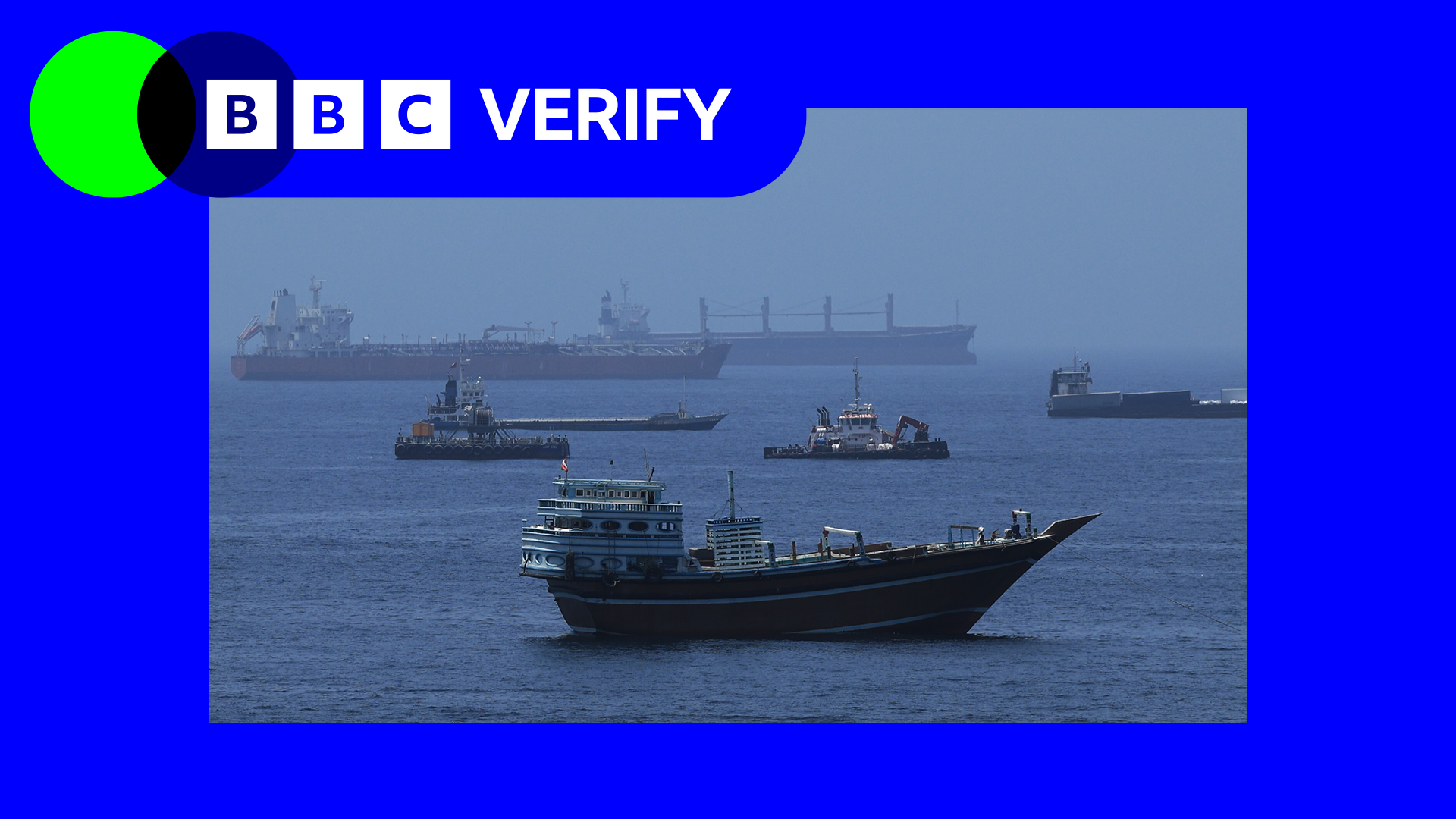
Meanwhile, the US blockade of Iranian ports—maintained since April 13—continues unabated. US Central Command reported redirecting 100 vessels, disabling four, and allowing 26 humanitarian ships to pass, calling the blockade 'highly effective' in 'squeezing Iran economically.' Iran, however, claims sovereignty over the Strait of Hormuz, insisting all transit requires 'coordination with the Persian Gulf Strait Authority.' The US and Gulf allies have rejected these demands, instructing ships to disregard Iranian rules.
Trump's announcement marks a dramatic reversal from his earlier warnings that the truce was 'on massive life support' and rejecting Iranian demands as 'totally unacceptable.' With the Strait of Hormuz reopening central to the deal, the global energy market—and regional stability—now hinges on these final negotiations. As the world watches, the world's largest oil transit chokepoint looms as a potential diplomatic turning point in this century-long conflict.}
In a major diplomatic shift, US President Donald Trump announced Saturday that a peace deal with Iran has been 'largely negotiated,' with the critical reopening of the Strait of Hormuz included in the framework. The president shared the news on social media, stating: 'An agreement has been largely negotiated, subject to finalization between the United States, Iran, and other nations as listed. Final aspects and details of the deal are currently being discussed and will be announced shortly.'
Trump's announcement followed high-stakes calls with Saudi Arabia, the UAE, Qatar, and other Gulf leaders, where he detailed discussions about a 'Memorandum of Understanding pertaining to PEACE.' The president also reported 'very good' talks with Israeli Prime Minister Benjamin Netanyahu. Pakistan's Prime Minister Shehbaz Sharif congratulated Trump on his 'extraordinary efforts to pursue peace,' noting the call was 'very useful and productive' and confirming Pakistan's role as mediator. 'We hope to host the next round of talks very soon,' Sharif added.
The development comes after weeks of escalating regional conflict. The US and Israel launched wide-ranging strikes on Iran in February, triggering retaliatory attacks across the Gulf. A ceasefire was brokered in early April, and since then, Washington and Tehran have engaged in negotiations. Iranian Foreign Ministry spokesman Esmaeil Baqaei acknowledged 'convergence' in positions but warned that 'this does not mean agreements would be reached on key issues,' accusing the US of 'contradictory statements.' He confirmed Iran is finalizing a 14-point framework memorandum, with 'further talks possible within 30 to 60 days' before a final agreement.
Crucially, Trump confirmed he called off a planned military strike on Iran at the request of Gulf states—a decision coinciding with a sharp oil price slump. 'I have called off the attack, it was at the request of Gulf states,' Trump stated, signaling a strategic pivot from warfare to diplomacy. The president also revealed he skipped his son's wedding to remain in Washington 'during this important period,' reinforcing the urgency of negotiations.
Meanwhile, the US blockade of Iranian ports—maintained since April 13—continues unabated. US Central Command reported redirecting 100 vessels, disabling four, and allowing 26 humanitarian ships to pass, calling the blockade 'highly effective' in 'squeezing Iran economically.' Iran, however, claims sovereignty over the Strait of Hormuz, insisting all transit requires 'coordination with the Persian Gulf Strait Authority.' The US and Gulf allies have rejected these demands, instructing ships to disregard Iranian rules.
Trump's announcement marks a dramatic reversal from his earlier warnings that the truce was 'on massive life support' and rejecting Iranian demands as 'totally unacceptable.' With the Strait of Hormuz reopening central to the deal, the global energy market—and regional stability—now hinges on these final negotiations. As the world watches, the world's largest oil transit chokepoint looms as a potential diplomatic turning point in this century-long conflict.}