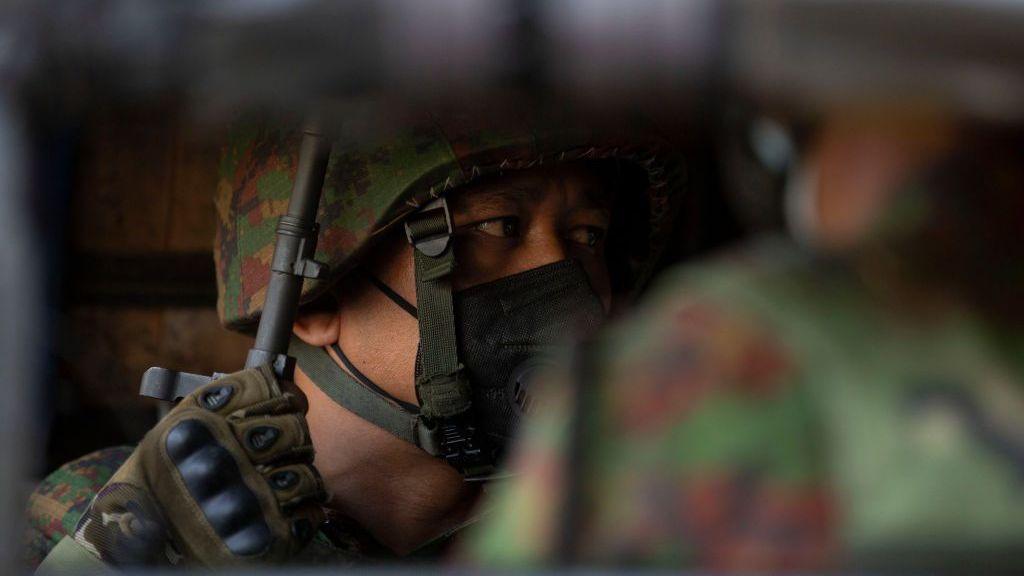
Hpa‑An's young men fear abduction and forced draft into the Myanmar army
In Hpa‑An, the capital of Myanmar’s southern Karen state, a quiet terror has settled into the evening routine. Men who could be called up by the junta’s new conscription law feel compelled to remain on the street by day, yet any movement at night risks a capture by plain‑clothed soldiers who “take them into military service.”
“I worry, but I have to go out to work,” says a 26‑year‑old tuk‑tuk driver, masking his name to protect his family. He explains that local authorities have been ordered to “aggressively fulfil the military’s recruitment quotas,” a directive that has opened the door to corruption, extortion and—most alarmingly—harassment of civilians.
'Some people I know have been taken,' he adds. 'They are taken to boarding houses, forced to sign documents, and by the next morning the officers have moved them to a recruitment centre.' The practice is not limited to Hpa‑An; estimates suggest roughly 100,000 young men have been coerced into service across Myanmar since early 2024.
Once recruited, many soldiers are sent to fight in ongoing clashes with ethnic militias and the domestic resistance that has emerged in the war of attrition that has raged since the 2021 coup. The government’s new two‑year service rule, imposed on men aged 18‑35 and women aged 18‑27, means refusal translates into up to five years of imprisonment. “It represents one of the most severe and impactful actions taken against the entire civilian population since the coup,” warns a former officer turned civilian‑rights activist.
Families are left to navigate a nightmare of intimidation. Those who survive the army’s appetite for recruits have their safety, wealth and livelihoods at risk. A family’s daughter may be trafficked by a cousin who “sells” him to a ward office, or an entire neighbourhood may be swept up during convenience checks, only to be de‑registered later. In places where unemployment and the cost of living have steepened under war, the military’s willingness to pay for substitutes sets a precarious incentive that fuels further terror.
Human‑rights organisations such as Amnesty International and Human Rights Watch have called the practice a form of modern slavery, an illegal marginalisation of Myanmar’s youth. They argue that officials employ a sophisticated network of intimidation that includes fake job adverts, watchdog checkpoints and even private roadblocks. Voices from the ground report that pushing people through this black market is no longer rare, but a brutal standard practice within the security apparatus.
The global community watches as this forced conscription strategy becomes a shadow tool for the junta, an engine that keeps the fighting alive while sucking young men out of civilian life. The rising mental and economic toll on families, a ripple effect of forced migration, and the long-term psychological damage on children torn from their parents signal a larger crisis that may reverberate for decades. The story remains an urgent call for diplomatic pressure, humanitarian aid, and a decisive end to the abductions that upend Myanmar’s future.