Inside Yemen's front‑line city as Houthis battle for control
The electric buzz of a drone cut through the stillness of western Taiz’s streets, the first warning before a chorus of mortar shells split the air.
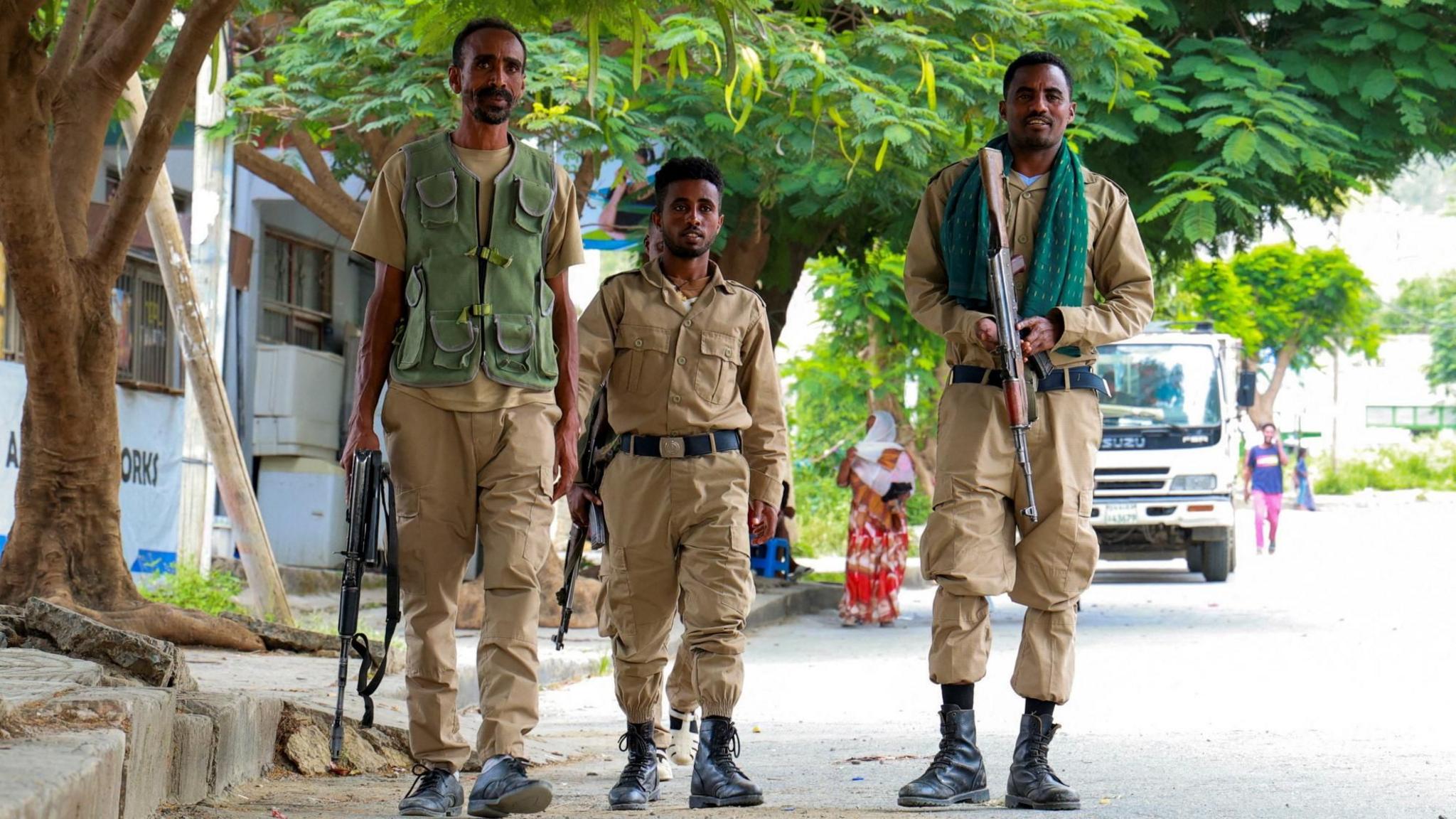
Soldiers followed the buzzing, taking cover under bushes before driving back to their vehicles. The next ten minutes brought a rattling succession of explosions, the precise impact of which could not be pinpointed but the pounding was unmistakable.
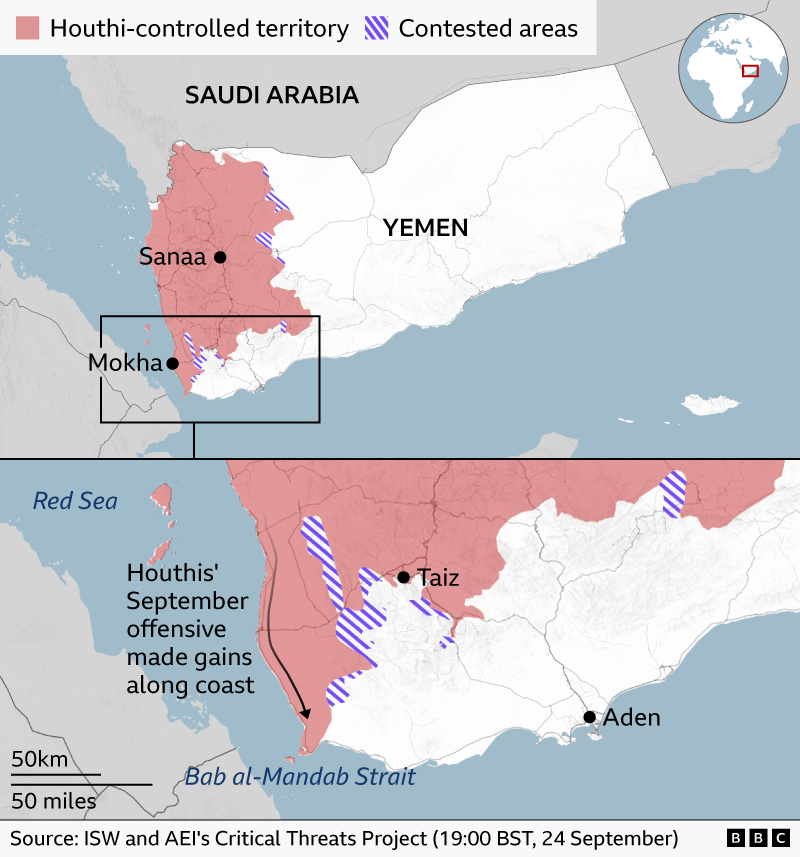
In the rugged mountains that ring Taiz, the line of front is a blur of high ground and no‑man’s land. Saudi‑backed pro‑government forces hold the city’s centre, Houthi positions dominate the north and east, and the western approaches – which overlook routes back to Mokha – have become the most contested spots.
A farmer named Ali, standing on his goat‑herding lease a kilometre from the fighting, recalled, Two mortars landed here on my property. He and his wife now live in a makeshift shelter, the goats behind a cracked wall, all while the roar of artillery continues above.
The crisis has not spared children. Ghana Nabeel, twelve, was buried in a hospital bed after a mortar struck her head. Doctors say her brain has been damaged, and she now lies unconscious, her future uncertain.
Displacement is spreading beyond the city. At the al‑Monig camp, about 20 kilometres south, families—victims of clashes in Mokha—shelter in umbrellas of tents. One woman, Fatma Mohammed Saleh, who cannot walk due to a disability, has been crawling on her hands and knees for days, calling out to God as shells thundered nearby before a motorbike driver finally delivered her to safety.
The United Nations warned on 22 September that more than 130,000 people had been displaced this month alone, with another 100,000 at risk over the next three months. The escalating violence has pushed oil prices higher, as the Houthis, whose supply comes largely through Iran, now employ drones and missiles against cities across the region.
The Saudi‑led coalition has pressed air strikes on Houthi positions along the coast, while the group launched attacks into southwestern Saudi Arabia. The war’s tangled alliances mean that every bullet and drone carry the weight of international politics.
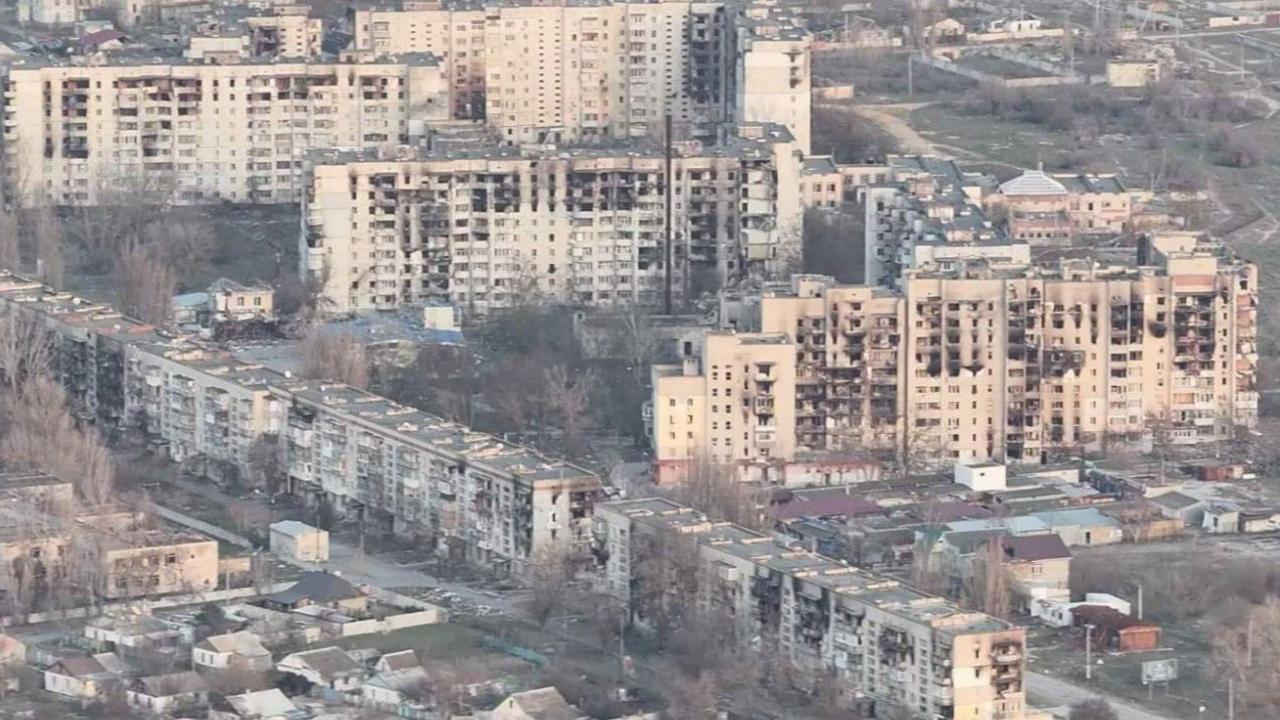
In the ruined streets of Taiz, ambulances circulate night and day, a stark image of a community pressed between survival and conflict. As artillery draws down and new offensive plans take shape, ordinary citizens remain caught in a war that extends far beyond the front line.

Source: BBC News; map by ISW and AEI’s Critical Threats Project