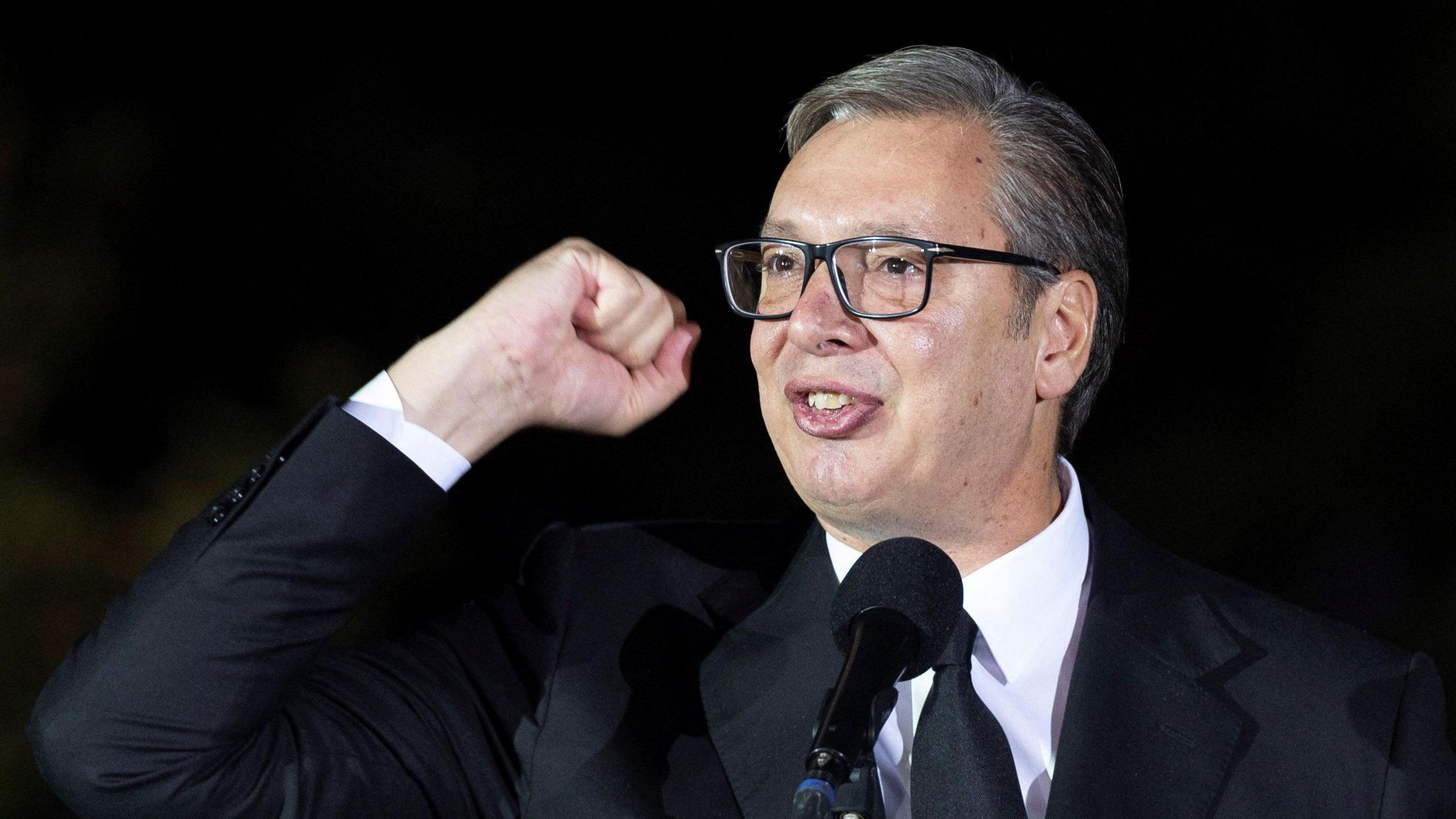

Serbian President Aleksandar Vucic has stepped down after a prolonged period of student‑led demonstrators demanding an end to corruption and better governance. He announced his resignation at a rally outside the presidential building in Belgrade, reminding crowds that his nine‑year tenure had preserved peace and stability, according to his statement.
Vucic had already signalled his will to resign in June and is poised to stand as the Progressive Party’s candidate for prime minister in the snap parliamentary elections slated for October. The Serbian constitution bars a third presidential term, but it allows the president to remain a party leader. Under the law, a new presidential election must occur no more than three months after a resignation, meaning voters will face two elections before year‑end.
The pro‑Russian populist’s government has been repeatedly accused of cost‑cutting and mismanagement. The turning point came with the collapse of the roof at Novi Sad railway station, killing 16 people and sparking outrage that blamed the government’s lax oversight. Subsequent protests drew a wide range of citizens—students, teachers, workers, and farmers—against what they saw as a decade of unchecked power in the Progressive Party’s hands.
Even after several cabinet resignations, demonstrators persisted, calling for police reforms and an end to alleged brutality. The protests peaked in the summer, and the government’s attempts to appease the public failed to quell the unrest.
After the resignation, Parliament speaker Ana Brnabić, also of the Progressive Party, will serve as interim president until the new elected official takes office. Vucic has used his constitutional authority to grant pardons to 49 individuals, including students and party loyalists cited for offenses linked to the tragedies of the past year and a half.
The upcoming parliamentary contest will pit the Progressive Party against the student‑led anti‑corruption movement known as Students Win, and a coalition of pro‑Western opposition parties united under the banner European Serbia. Vucic, who led Serbia to his first presidential term in 2017 after serving as prime minister since 2014, has promoted an EU membership aspiration while courting close ties with Russia and welcoming Chinese investment.
For more context, read about the lingering anger after the Novi Sad railway tragedy and reports of police clashes with anti‑government protesters in Belgrade.