Taiz Under Siege: Inside Yemen’s Front‑Line Watershed
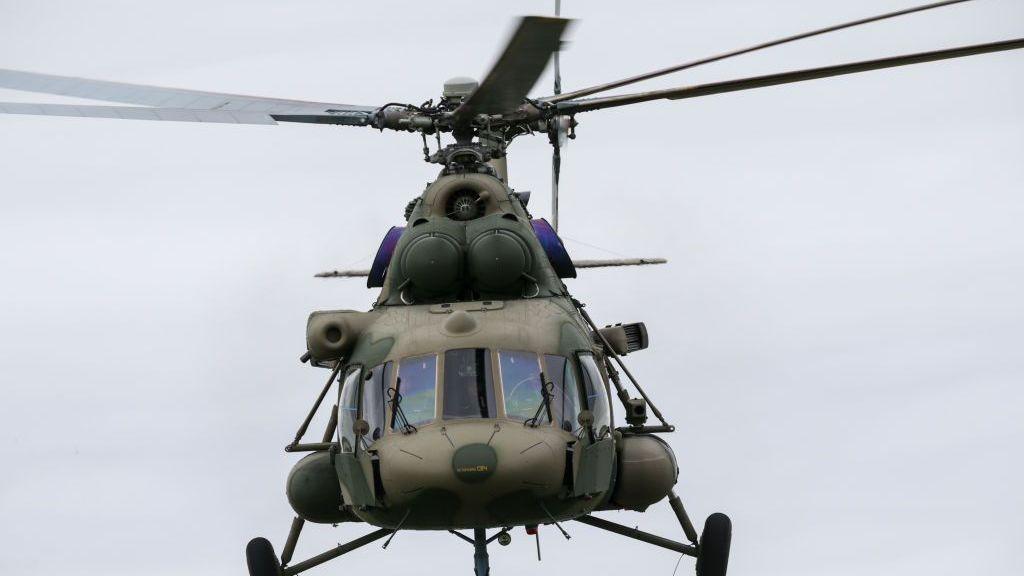
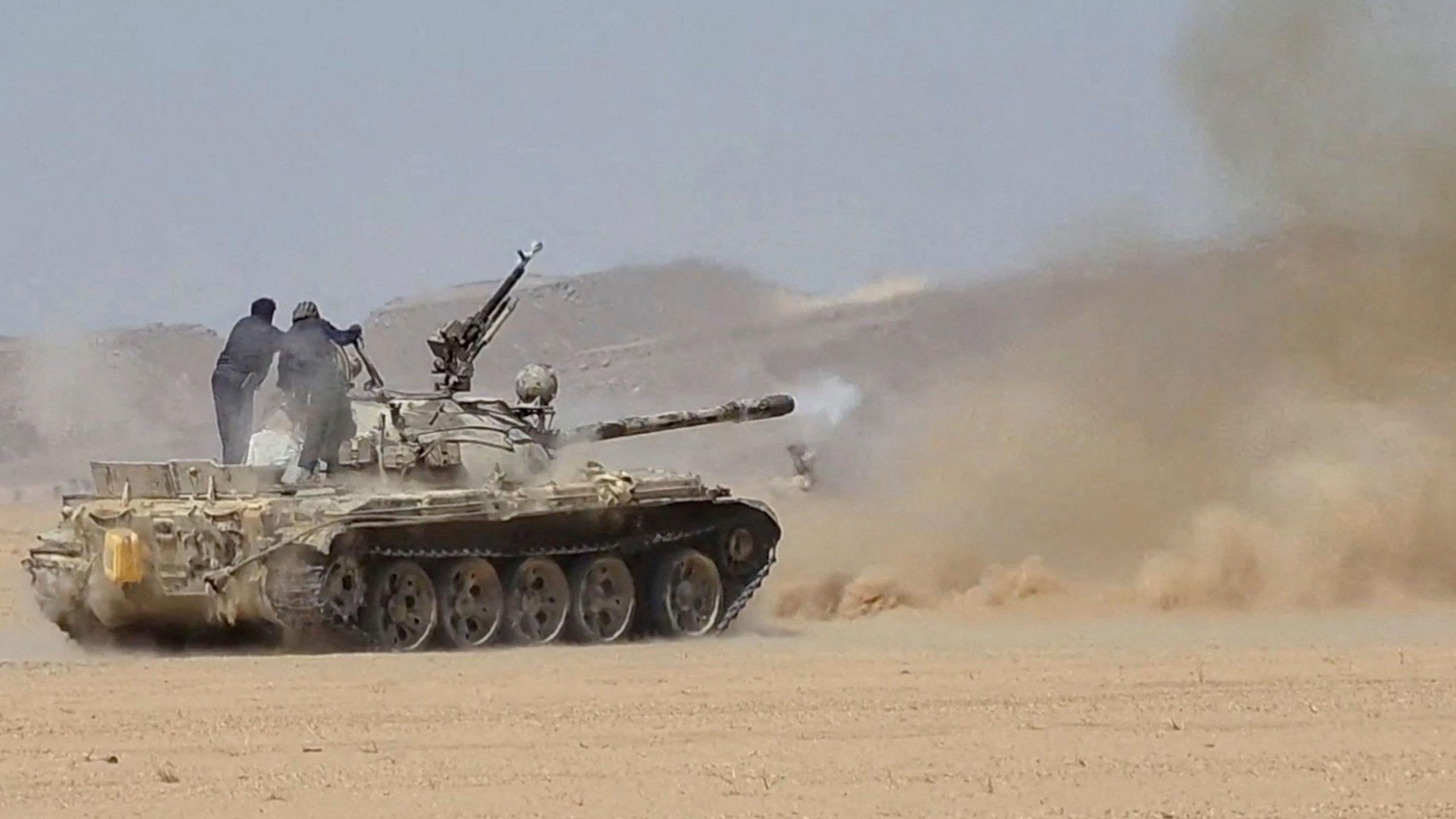
The buzzing of a drone overhead was the first sign of danger for the soldiers and residents of Taiz. Within minutes the mountain slopes erupted in thuds of mortar fire, yet the exact landing spots remained a frustrating uncertainty.
The city itself is a tight maze of abandoned homes and bustling markets, now silent save for the muffled bleats of goats in the throats of shelling. Ali, a goat keeper only a kilometre from the line, recalls two mortars striking his property, a sound that left him fearing the next strike would be too close for comfort.
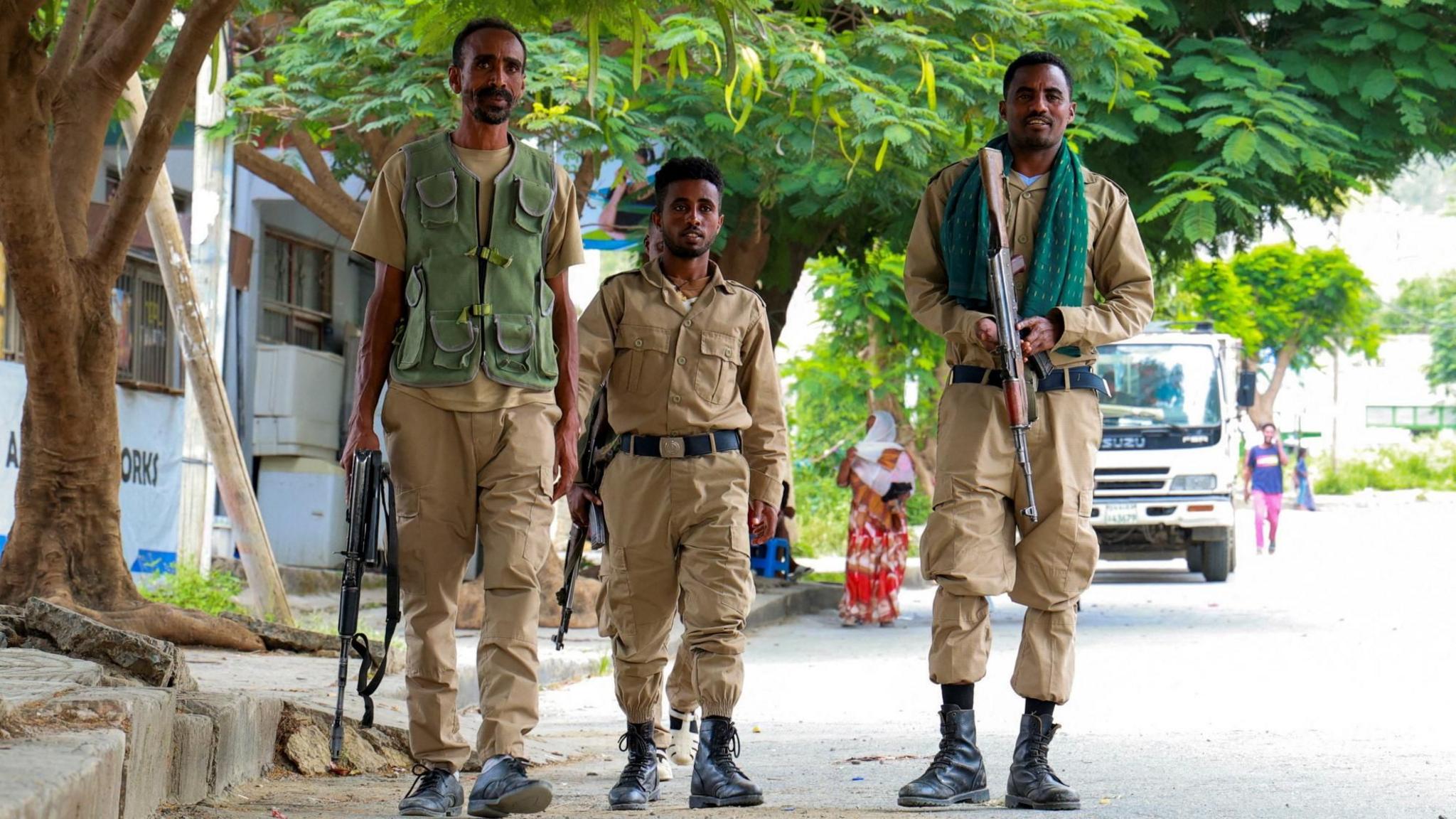
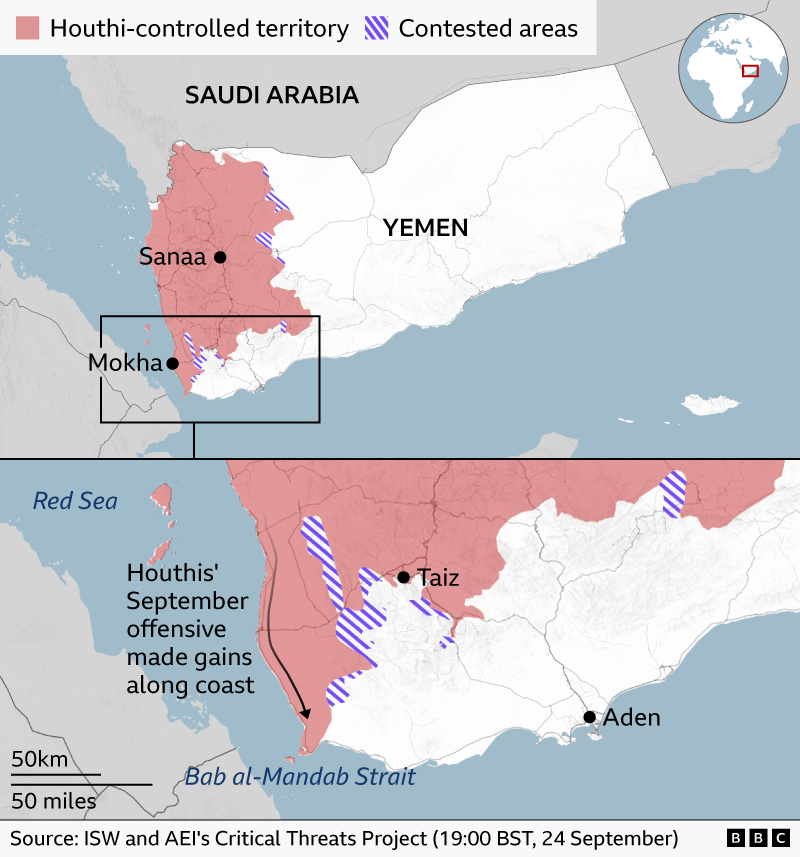
As government troops briskly moved from checkpoints to artillery positions, they crossed a patchwork of control in which the centre of Taiz remains secure but the east and north are increasingly contested by Houthi fighters. The northern takeover of Mokha earlier in September has forced the rebels onto high ground that looks down over Taiz, threatening to cut the city’s supply route to the south.
In the city’s Al‑Thawra hospital, the intensive care unit is full of wounded—both soldiers and civilians. A 12‑year‑old Ghana carries a shrapnel wound that would alter her life forever, while doctors glare at the brain damage that now hangs in the balance of each patient’s recovery.
From the nearby al‑Monig displacement camp, families arrive without the things they need. Since September, around 200 families have turned up bearing the barren sack of survival, and the UN reports that more than 130,000 people have been displaced by the war this month alone. The reports warn that a fresh wave of a hundred thousand might be displaced over the next three months.
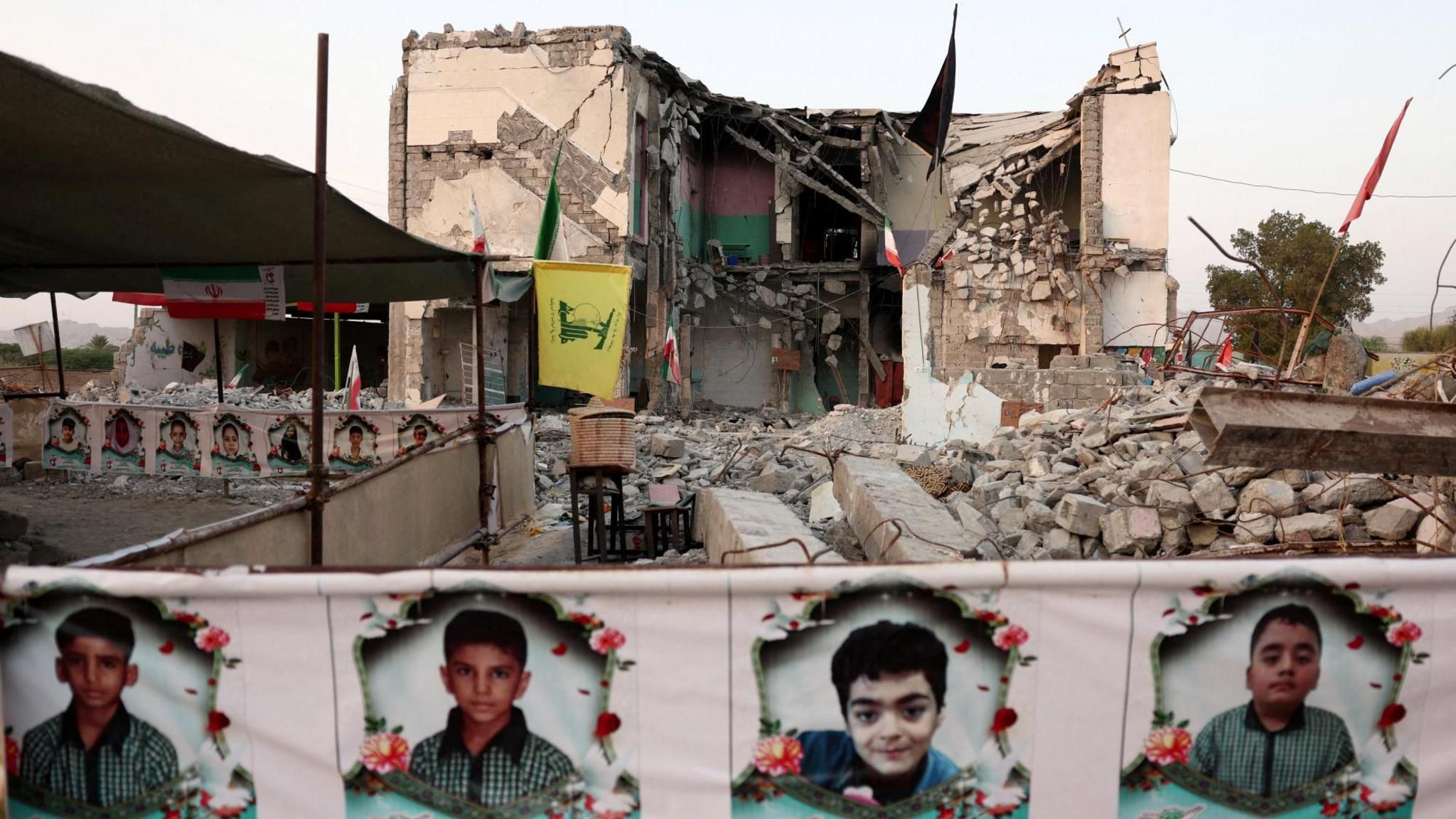
The conflict is not just about land: it has taken the lives of young people in the form of child soldiers and has accelerated the urgency of humanitarian need. The Houthi movement’s reliance on drones and missiles now rivals the Saudi‑led coalition’s air strikes, turning every foothill near Taiz into a potential minefield.
For the residents of Taiz, each day is a battle for survival. Their stories, from the goats tied to the war to the ambulances that come running with body bags and oxygen, paint a stark portrait of a city caught at the crossroads of a war that reshapes a nation’s future.