In brief
In a move that was widely seen as a pre‑emptive step to secure his re‑election, President Salva Kiir dissolved South Sudan’s transitional government, five vice‑presidents, parliament and state administrations just three months before the December poll. The decision came amid a fragile security environment, with heavy police and army presence in Juba and UN agencies urged staff to work remotely. Kiir's political ally Riek Machar, former vice‑president and now opposition claimant, remains under house arrest, while other opposition figures have yet to declare candidacy. The President will keep full constitutional authority until the first elected president is sworn in. Analysts warn that the dissolution could exacerbate tensions as the country prepares for its first credible democratic contest.
South Sudan President Salva Kiir Dissolves Government Before First Post‑Independence Election
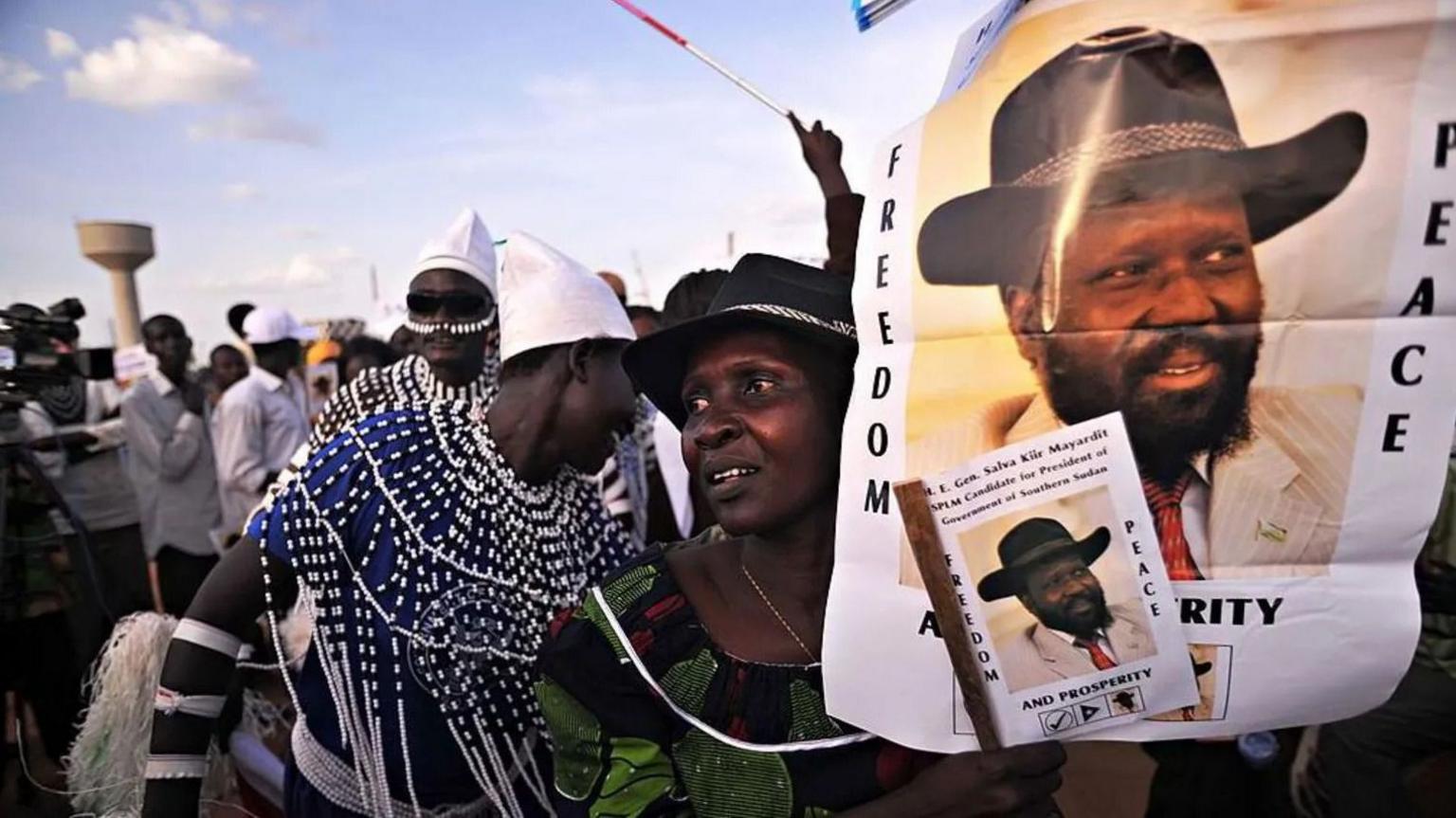
President Salva Kiir has dissolved the transitional government of South Sudan, ending the mandate of the five vice‑presidents and dismantling the national and state administrations. The move was confirmed ahead of the country’s first election since its 2011 independence, slated for 22 December.
Kiir’s decision follows repeated postponements of elections and extensions of the transitional period. With no other major candidates declaring to run, Kiir is the sole presidential contender, representing the Sudan People’s Liberation Movement (SPLM). Chief opposition figure Riek Machar remains under house arrest after being sacked last year and charged with treason.
The announcement triggered a heavy security presence in Juba. Soldiers from the army and national security services blocked entry to government ministries and patrolled key areas. A senior government official later noted that staff arriving for work were turned away and told to return the next Monday, while UN agencies urged their employees to work remotely during the monitoring period.
In the weeks leading up to the announcement, Kiir also dismissed Abednego Akok Kacuol, chairman of the national elections commission, and replaced him with the commission's secretary‑general Gabriel Bol Deng. Akok had previously highlighted a massive funding shortfall for the election, calling for $250m in support but having received only $21m.
The 24‑month extension that now concludes also opens a portal to questions about how inclusive the upcoming election will be and whether the transitional period will eventually transition into lasting democratic governance.
For further coverage of South Sudan’s political landscape, see BBCAfrica.com and follow BBC Africa on social media platforms.