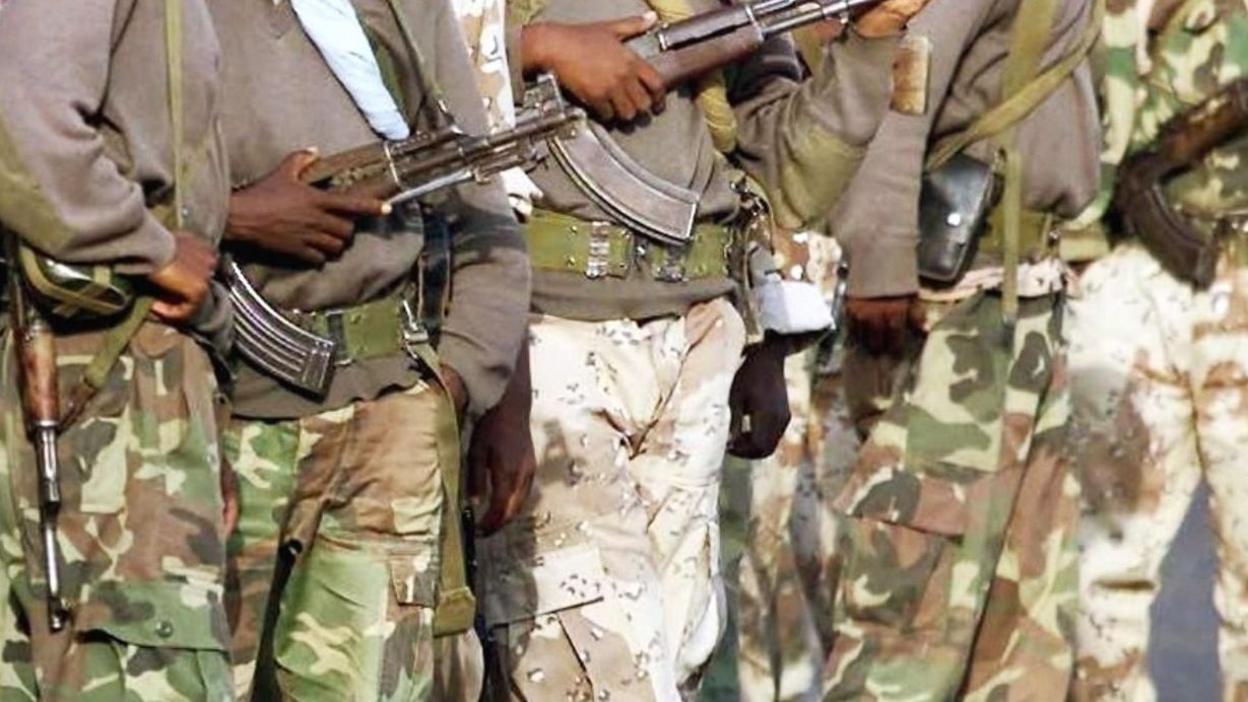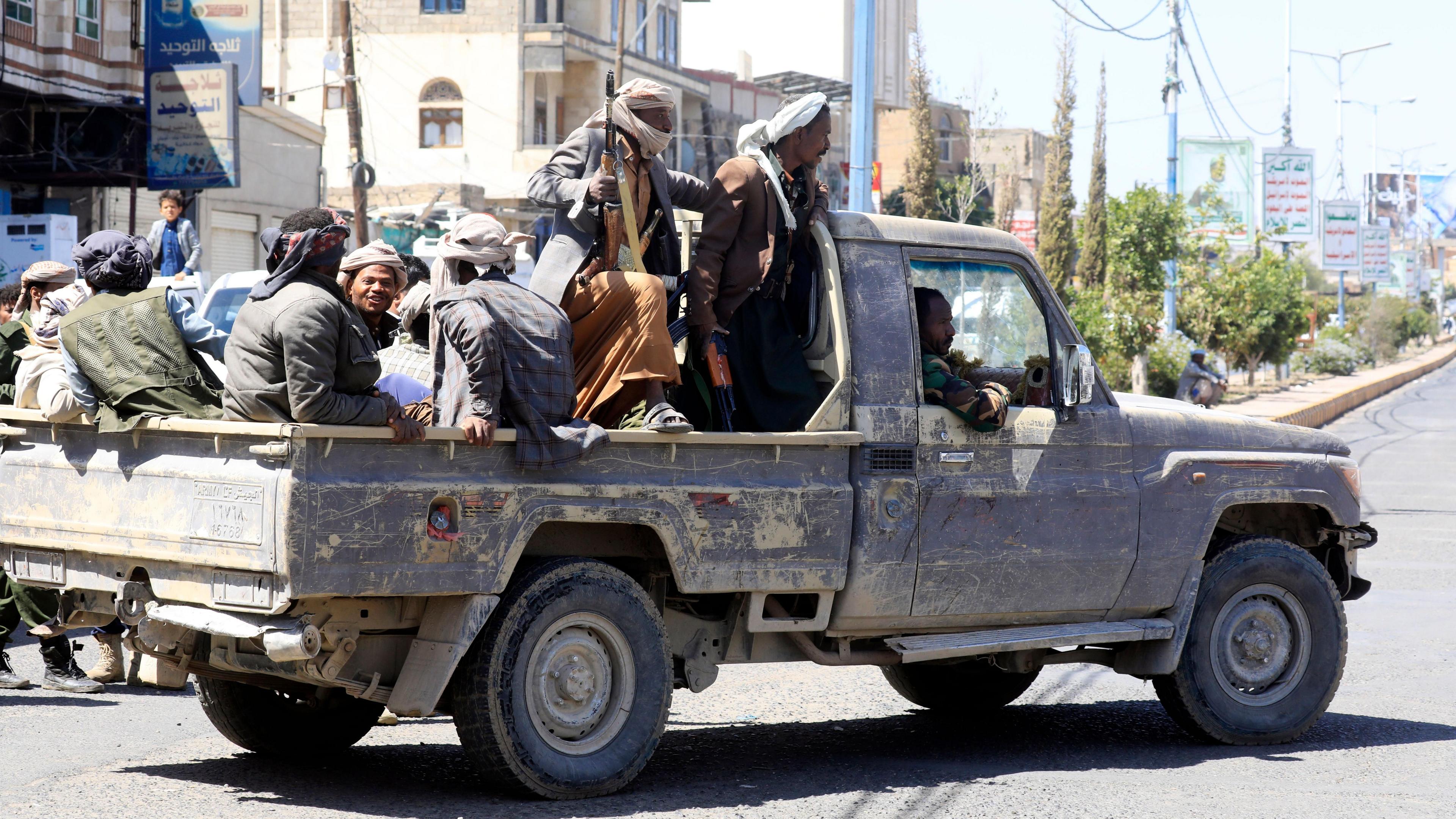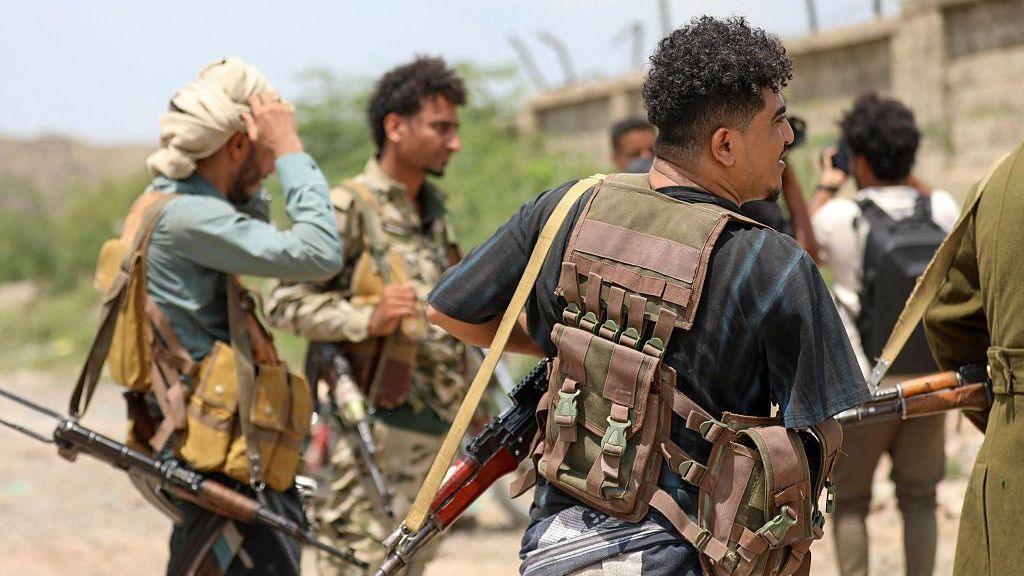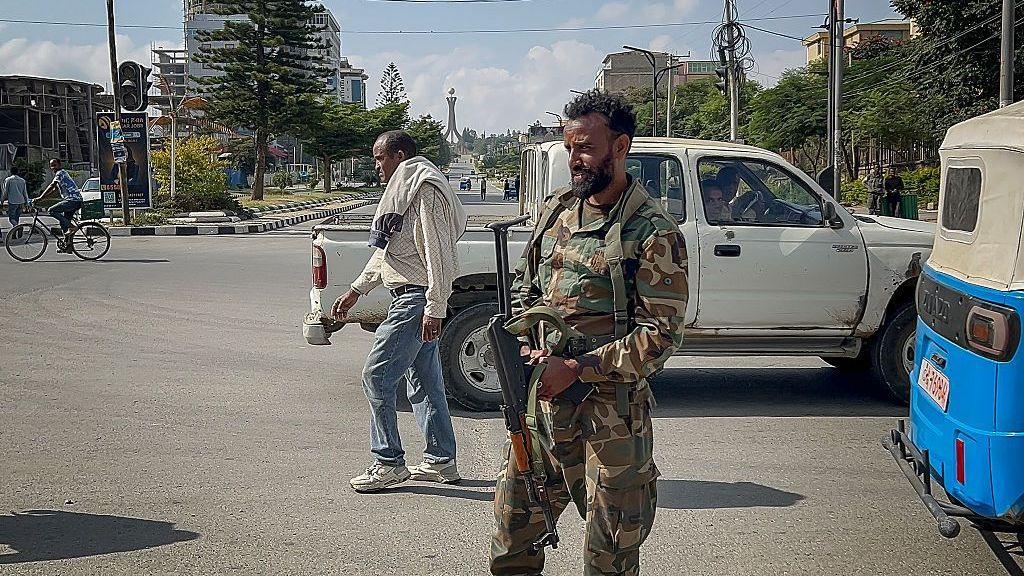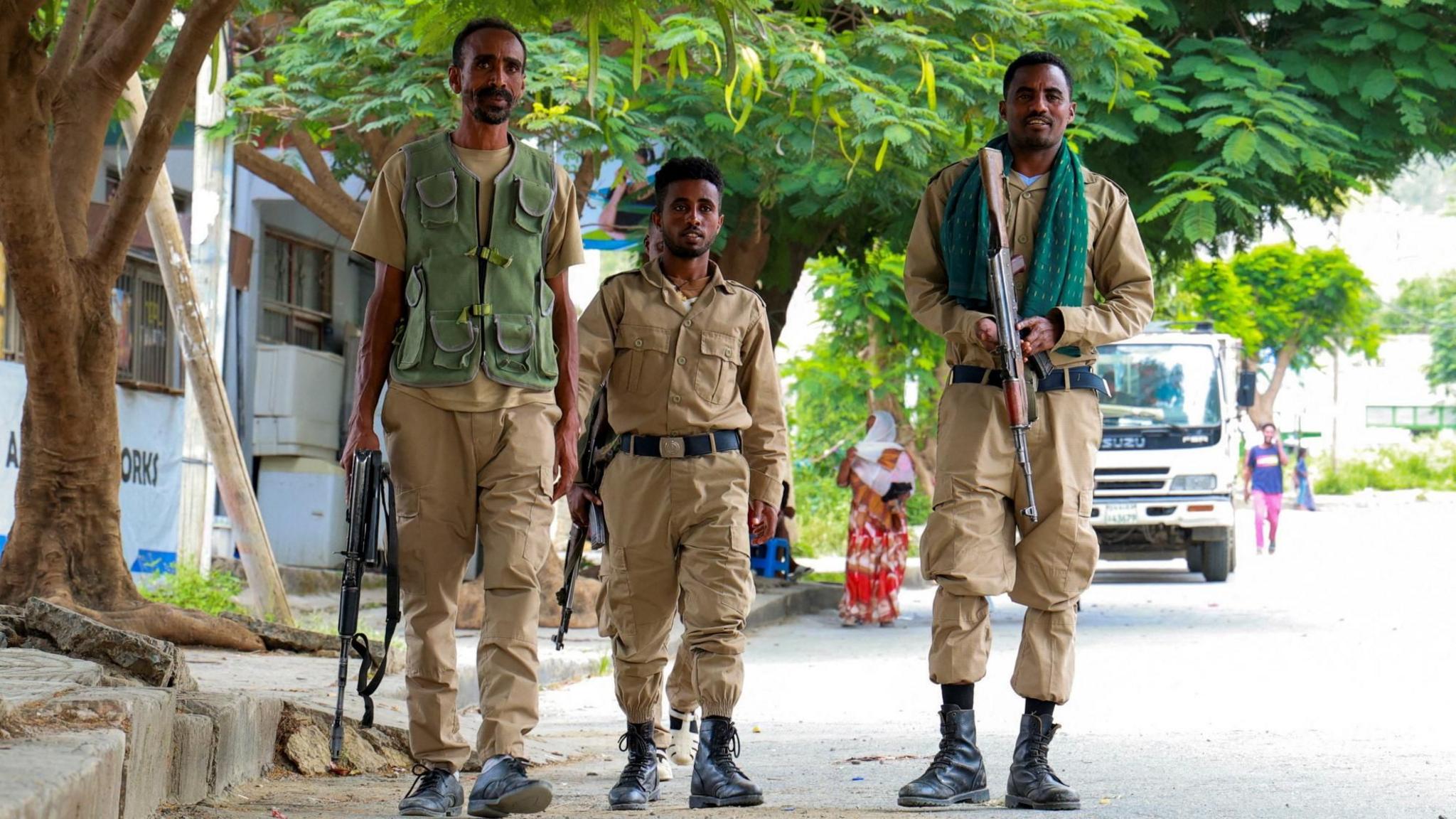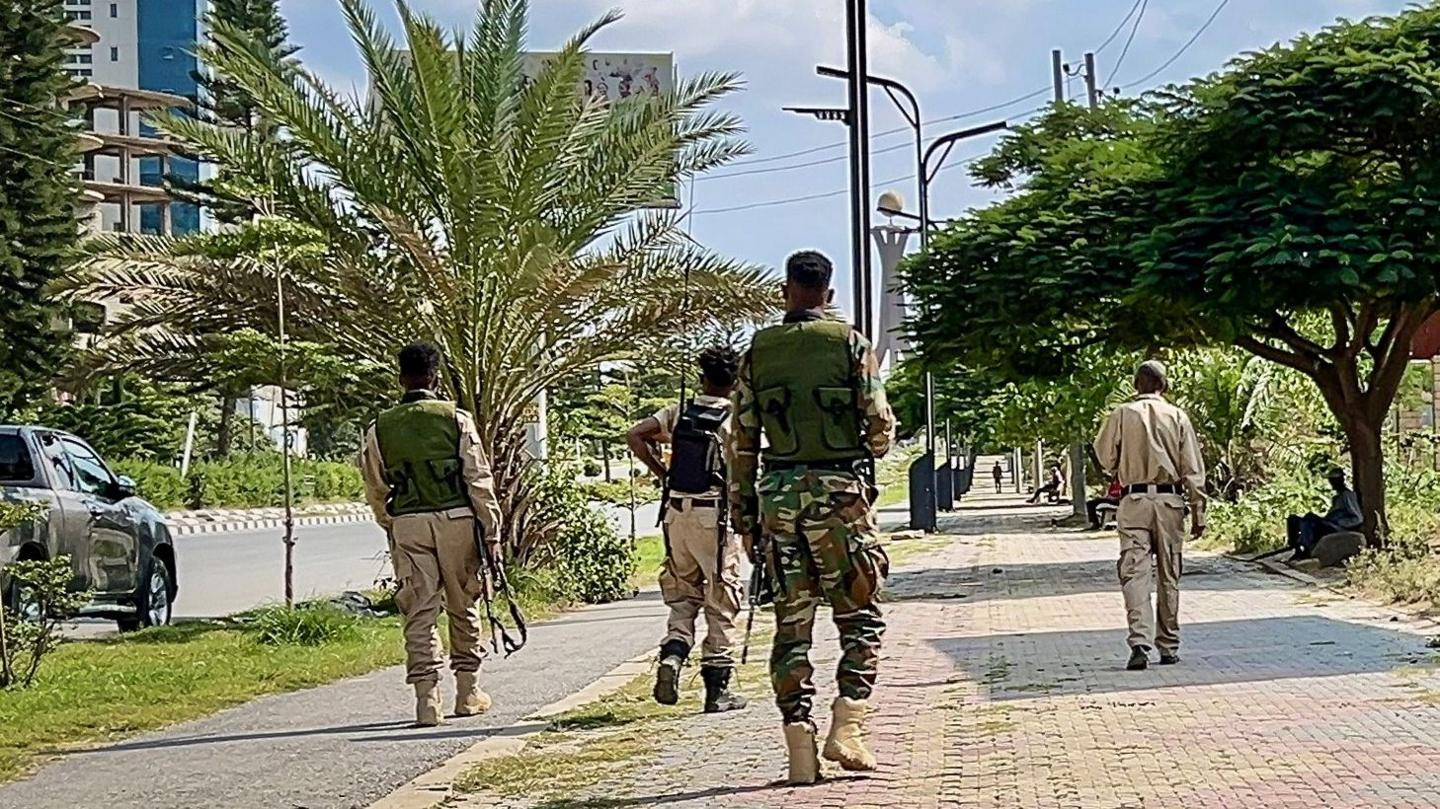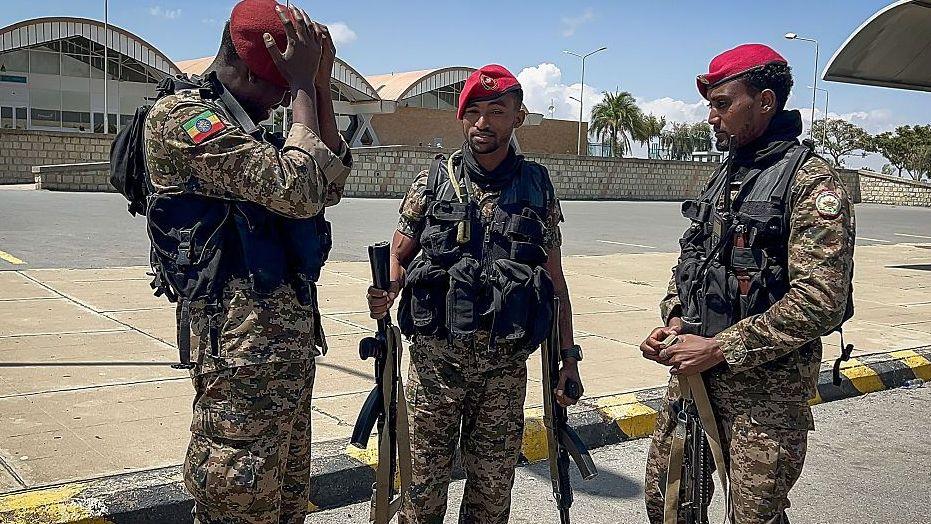

Ethiopia has formally accused Eritrea of an all‑out invasion of its northern Tigray region after reports surfaced that Eritrean troops crossed the border. The accusation was penned in a letter sent to the UN Security Council, where Ethiopia referred to the move as a blatant act of aggression and a justification for its inherent right to self‑defence.
Eritrea’s Information Minister Yemane Gebremeskel has responded by describing the situation as an unprovoked war of aggression by Ethiopia, insisting that Eritrea merely defends its sovereign territory. The two countries, once allied against the Tigray People’s Liberation Front (TPLF) during the civil war, now stand on opposing sides of a fragile ceasefire. Ethiopia alleges that Eritrea supports the TPLF, a claim that Eritrea vehemently denies.
Since the ceasefire agreement in 2022, tensions have escalated, with each side blaming the other for breaching the pact. The Ethiopian government claims that Eritrean forces pushed as far as sixty kilometres into Tigray, while the Eritrean side accused Ethiopia of pursuing hostile motives, including a strategy to seize a Red Sea port under its control.
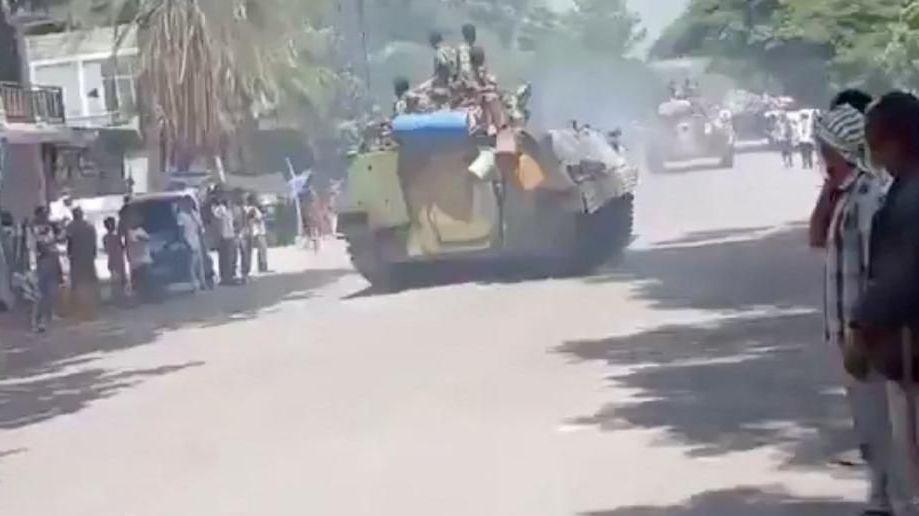
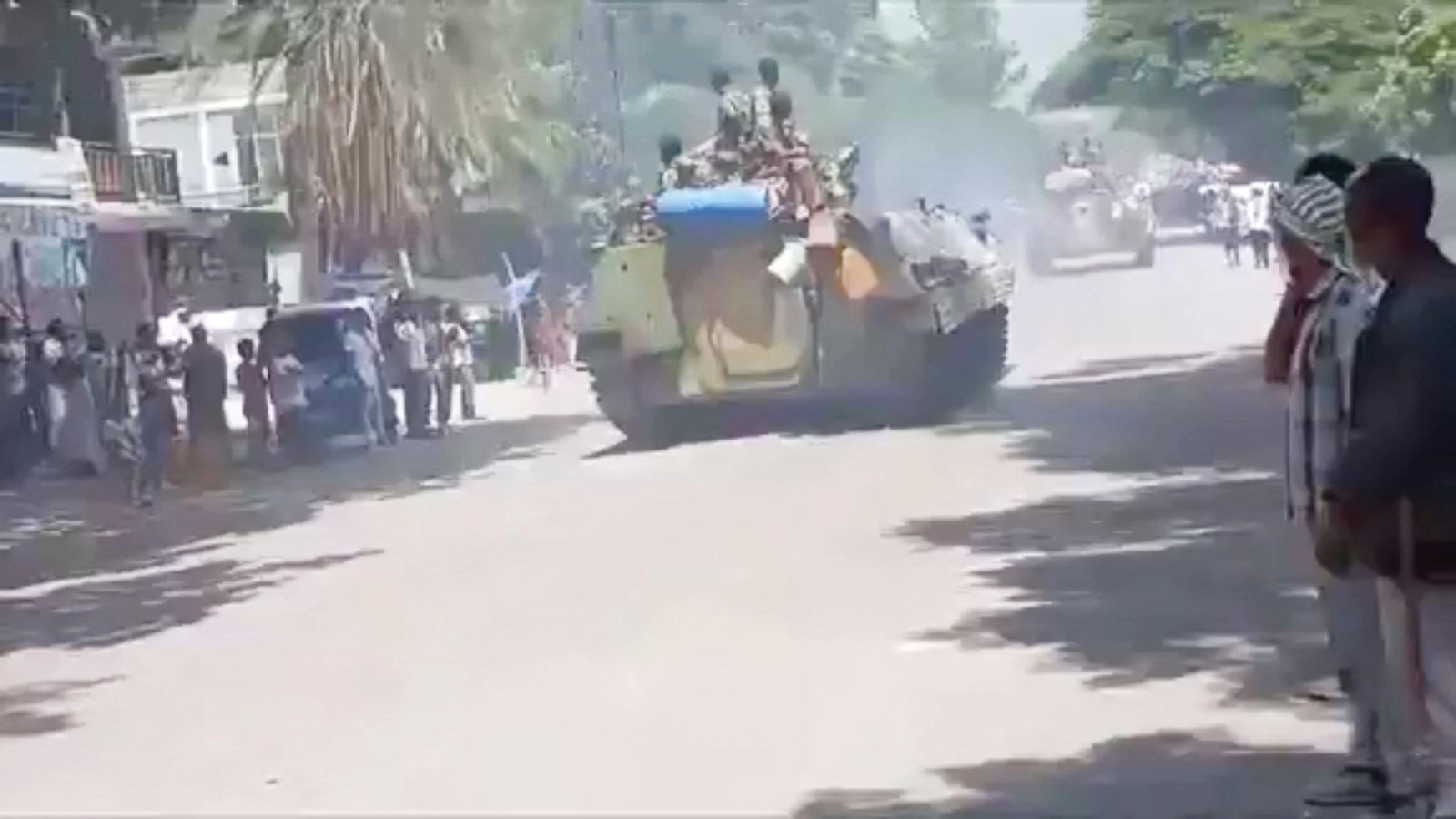
Drone strikes launched by Ethiopian forces reportedly targeted Eritrean units in the town of Adigrat on Thursday, raising concerns of a wider regional conflict. A US‑based conflict monitor, Acled, confirmed that multiple drone strikes hit Eritrean troops and ammunition stores. Residents witnessed both the destruction of Eritrean lorries and the apparent retreat of Eritrean forces northwards.
The current standoff threatens to disrupt geopolitical stability in the Horn of Africa, especially as diplomatic relations between the two nations were severed last week. Amid rising international scrutiny, both Ethiopia and Eritrea continue to call for support and solidarity from the UN Security Council, urging a peaceful resolution to the conflict that has already claimed thousands of lives during its decade‑long war.