In brief
On December 13, amid finals week, a shooting erupted on the Brown University campus, leading students to seek real-time updates through anonymous social media platforms. The responses captured a raw and fragmented account of a traumatic event, illustrating how they navigated fear, confusion, and grief while waiting for official reports. This harrowing insight raises questions about campus safety and the role of digital communication in emergencies.
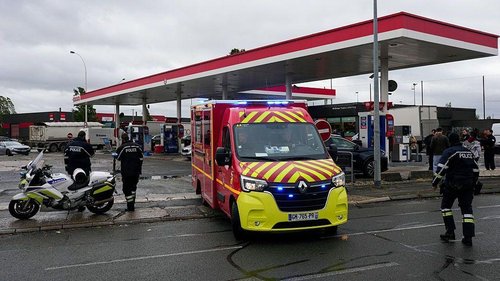
PROVIDENCE, R.I. — When a gunman began firing inside an academic building on the Brown University campus, students didn't wait for official alerts; they sought information almost instantly through social media. On December 13, as the attack unfolded during finals week, students flocked to Sidechat, an anonymous, campus-specific message board, for fast-flowing real-time updates.
An analysis of nearly 8,000 posts in the first 36 hours after the shooting highlights how social media has become central to how students navigate campus emergencies. Fifteen minutes before the university’s first alert of an active shooter, students were already documenting the chaos with raw, fragmented accounts while sheltering under tables in libraries or crouched in classrooms.
Some comments even came from injured students posting selfies from hospital beds, and the urgency of their messages underscored the gravity of the situation: Is it safe to move? Are we on lockdown? These were just some of the urgent questions students asked during the crisis.
As students sheltered in dark dorm rooms and study halls, they reacted to every noise — footsteps, distant sirens — fearing that they may recognize someone among the casualties. Multiple students expressed emotional responses, some recounting communications with friends and family that mirrored their own trauma. I just want a hug from my mom, one student wrote.
The hours dragged on painfully, with many unable to sleep. Anxiety levels spiked, and basic needs became challenging as some described using makeshift toilets because they feared leaving their rooms. However, amidst the chaos, acts of kindness, such as sharing food with those too afraid to leave their rooms, also emerged.
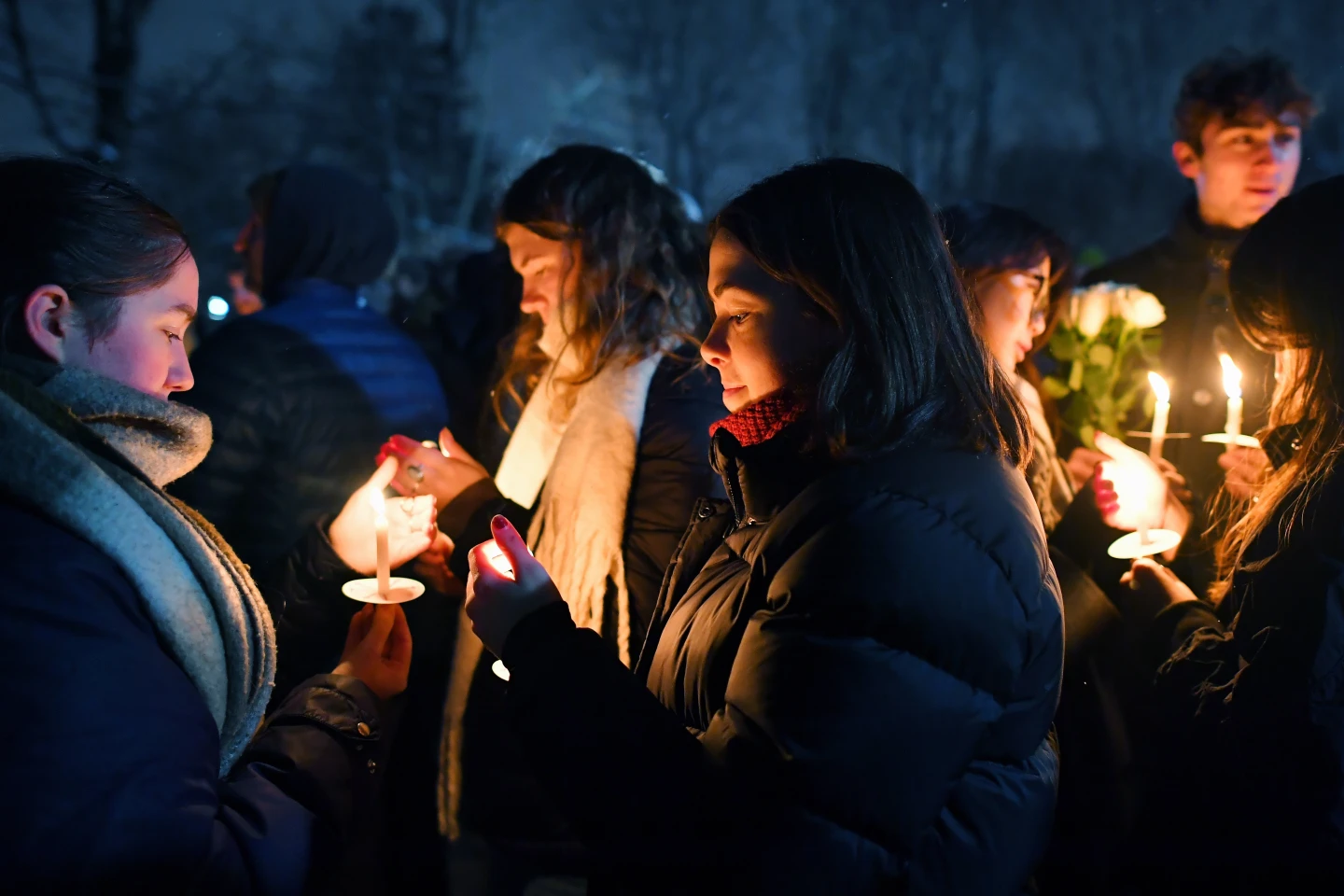
After the lockdown was lifted, students returned to a campus transformed — the first snowfall of the academic year added to the haunting atmosphere. A collective sense of loss enveloped the campus as vigil activities began to honor the victims. It truly hurt seeing the snow fall this morning; it was beautiful yet tragic, one student reflected.
As the lockdown ended, many expressed that Brown no longer felt safe. The tragedy caused by the events has left impressions that immediately reshaped their collective campus experience.