In brief
The United States mourns the death of Alan Greenspan, the long‑serving former Federal Reserve chairman whose tenure from 1987 to 2006 was marked by record growth and controversial policy decisions. Greenspan, who was 100 years old when he died, had a career that spanned six presidents and included key roles in the Council of Economic Advisers. Critics say his low‑interest‑rate stance and anti‑regulation stance contributed to the dot‑com and sub‑prime crashes, while supporters credit him with keeping the economy prosperous for decades. His legacy remains complex: a centenarian who shone as a guardian of monetary policy yet faced growing scrutiny for his role in two major market busts.
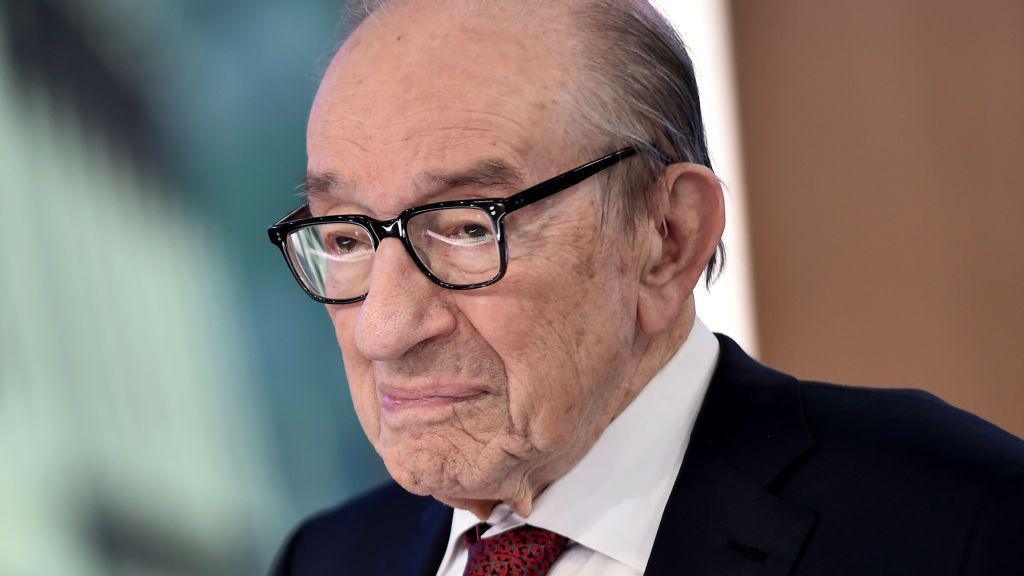
Alan Greenspan, the architect of the modern American economy, dies aged 100
Alan Greenspan, the long‑time Federal Reserve chairman who guided the United States through a period of unprecedented growth, has died at the age of 100. The announcement came from his wife, who confirmed the news after a brief statement from NBC journalist Andrea Mitchell.
Mitchell said Greenspan passed away after complications stemming from Parkinson’s disease. In a tribute she described the former Fed chief as a giant of a man, shaping the U.S. economy under presidents of both parties while remaining candid about his mistakes.
Career Highlights
Greenspan held the post of Federal Reserve chairman for nineteen years, from 1987 to 2006, a tenure that earned him a reputation as the second most powerful person in America after the president. He steered the economy through a record‑length period of growth and introduced policies that kept the dollar stable and inflation contained.
He earned the nickname “God in the Machine” from Wall Street, refusing Soviet qualification to the media and making the Fed's decisions a matter of public lore, yet keeping most filings behind an empty office sign that read “The buck starts here.” By keeping markets calm during panics such as the October 1987 crash, he earned praise for his calm, strategic use of cheap credit, a tactic that would be dubbed quantitative easing in later crises.
Controversies
Greenspan faced intense criticism for his role in the late 1990s dot‑com bubble and the 2008 financial collapse. Opponents argue that his low interest rates and belief in self‑regulated banks created conditions for inflated asset prices and the worldwide recession. Nobel laureate Paul Krugman and other economists have repeatedly challenged Greenspan’s stance on regulation and the timing of rate increases.
After the September 2001 attacks, Greenspan lowered rates and urged President George W. Bush on geopolitical matters. In 2006 he stepped down after a successful stint; only a year later the sub‑prime mortgage crisis revealed shortcomings at the Fed, leading him to admit his mistake to Congress.
Personal Life and Legacy
Greenspan began his career as an economist, later pivoting to a notable role at JPMorgan and then to the Treasury under Republican administrations. He was an accomplished clarinetist, playing with jazz musicians and traveling nationwide before focusing on economics at New York University, where he studied free‑market principles.
He married composer Giddy Bourne, dated TV personality Barbara Walters, and later wed Andrea Mitchell in 1997. Despite a life devoted to public service, he remained a controversial figure, criticised by President Trump as well as the United Kingdom for his views on the United Kingdom’s exit from the European Union.
Remaining Influence
Even after retirement, Greenspan continued to appear on television and in forums, warning about the potential impact of rapid interest‑rate hikes. In 2023 he called out the Biden administration for its pace of rate increases, while his 2026 centenary celebrations highlighted his 100‑year life.
He will be remembered as a key architect of the modern American economy, preserving growth for most of its life. However, his legacy remains a mix of praise for guiding prosperity and criticism for absent regulation during times of crisis.