Solidarity in the Square
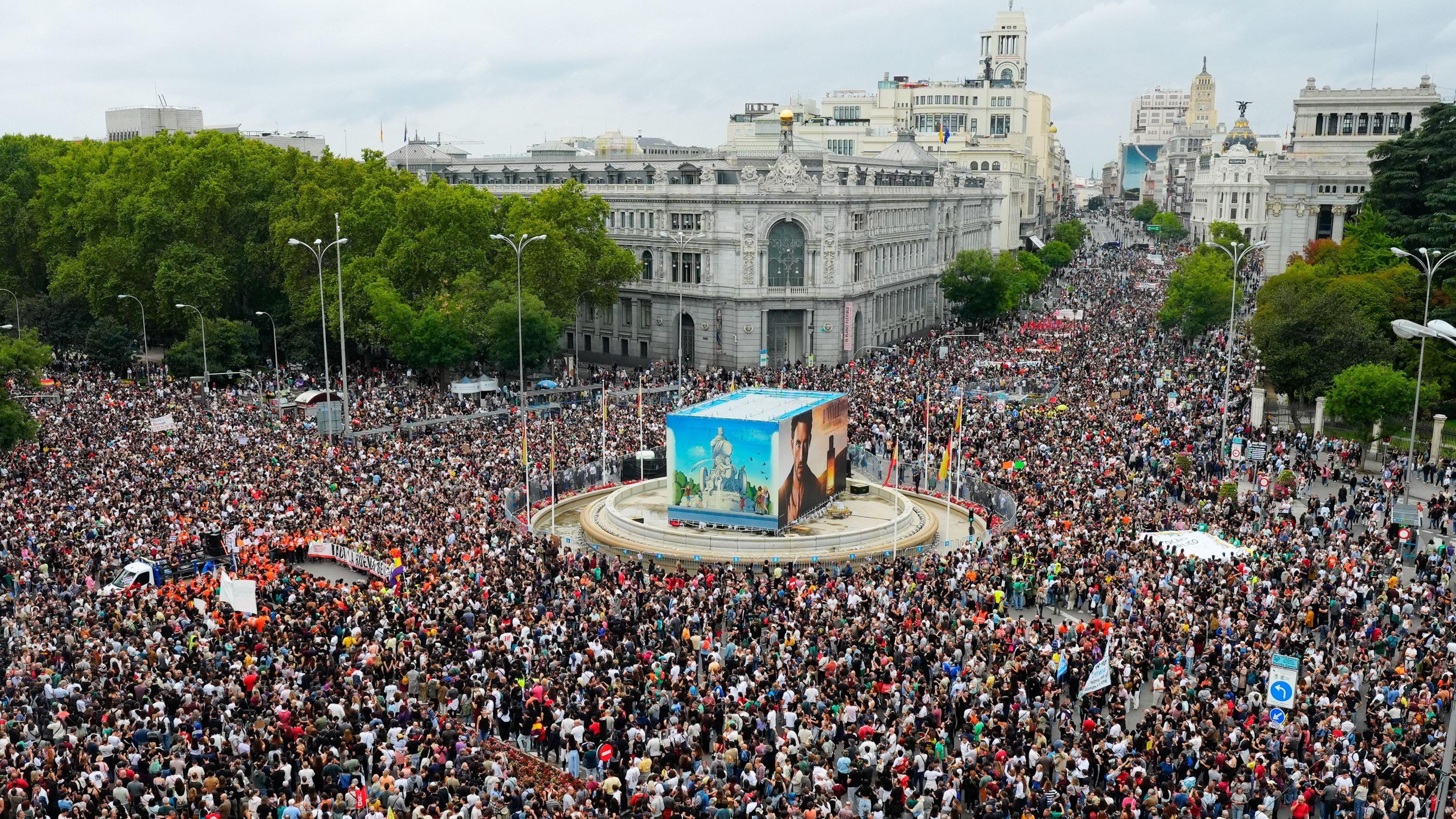
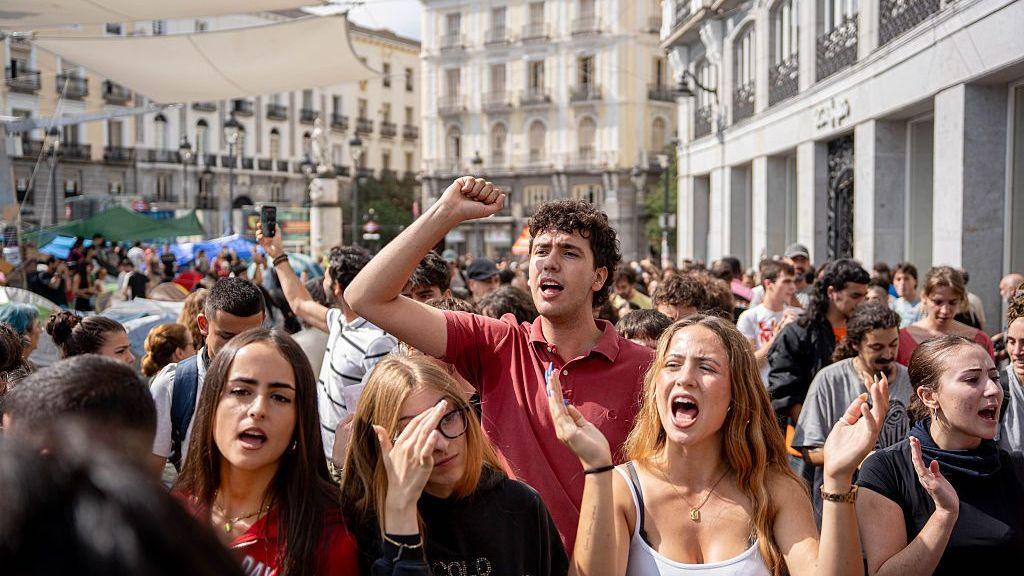
For more than a week, the bustling centre of Madrid has been transformed into an improvised campsite of tents, cardboard and determination. Between 19- and 21‑year‑olds from universities, retirees, and ordinary citizens have huddled at the Balcony of the Old City Hall, turning the historic footpath into a living protest field.
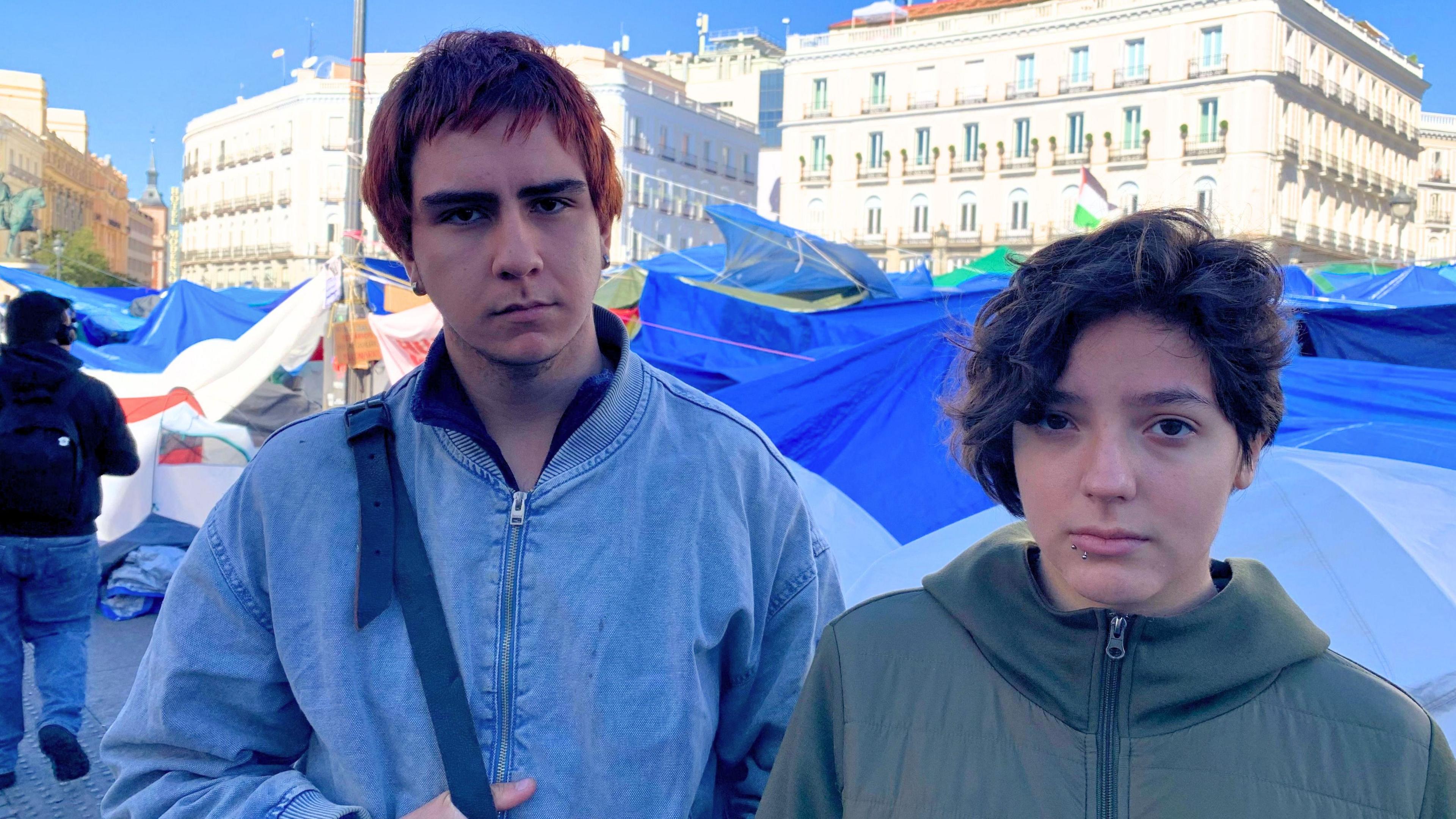
Student "Pierina Nicuray"—21 years old, finished her university degree—has brewed her manifesto in the dark: *
“It’s the same problem as always — a lack of homes. Landlords use the crisis to raise rents, and Airbnb only worsens the market.”
Film‑dubbing student “Jorge Moreno” joins her voice. “Vulture funds buy apartments, let them sit empty, then hike the rent until tenants break. It’s an abusive business model that bars ordinary Spaniards from decent homes.”
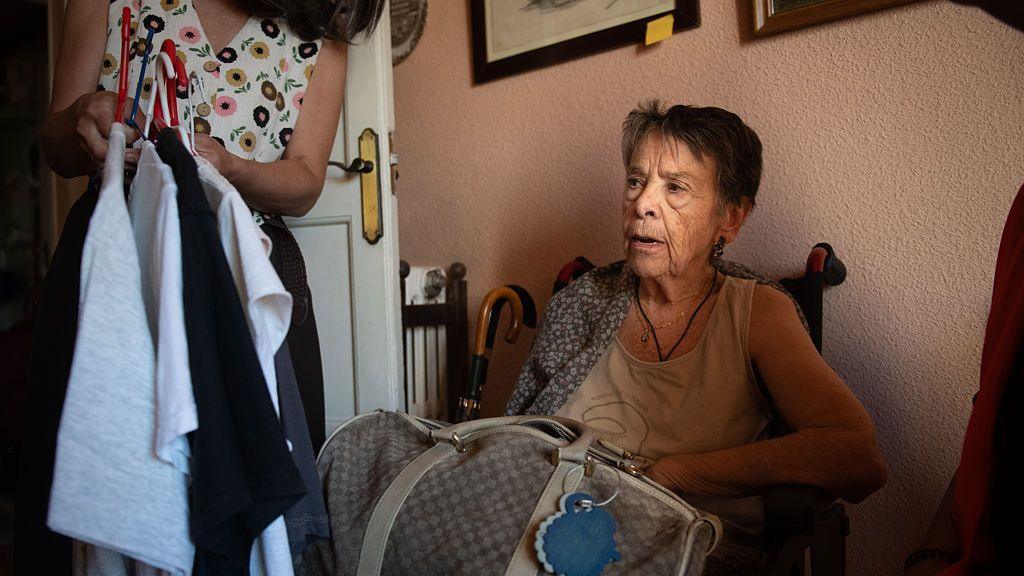
The narrative resonates across a thousand tents. The movement, which dates back to an evicted 87‑year‑old woman, Maricarmen Abascal, has spread nationwide, pressing policymakers to act.
The Numbers Behind the Noise
Spain’s renting sector has seen an 84% rise over the past decade, with the southern city of Málaga witnessing a 113% hike. Marbella’s rates have leapt nearly 150%. These inflation rates have been starkly reflected in the day‑to‑day lives of people like “Carmen Pérez” from Ecuador, now living in a shared apartment with her daughter due to unaffordable prices.
A study by the Centre for Sociological Research (CIS) shows 72% of Spaniards want higher tax rates on large property portfolios, 76% support limits on short‑term tourist accommodations, and 40% favour the expropriation of empty homes.
Bank of Spain data indicates a housing shortfall of around 750,000 units, predicted to reach one million by 2028. Yet the bulk of the 3.8 million empty properties live in depopulated rural regions, leaving the high‑density cities in crisis.
Policy, Protest and a Looming Election
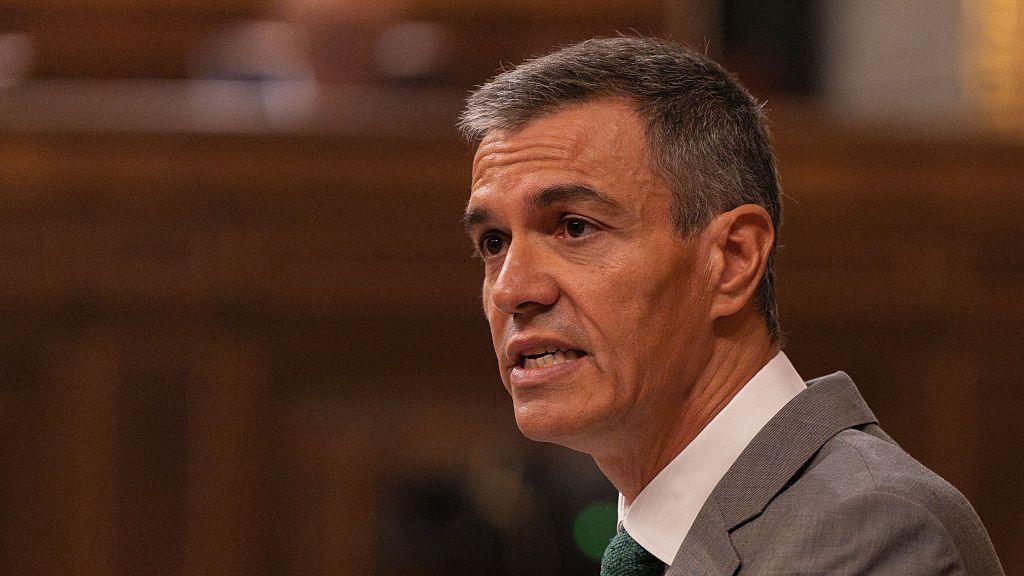
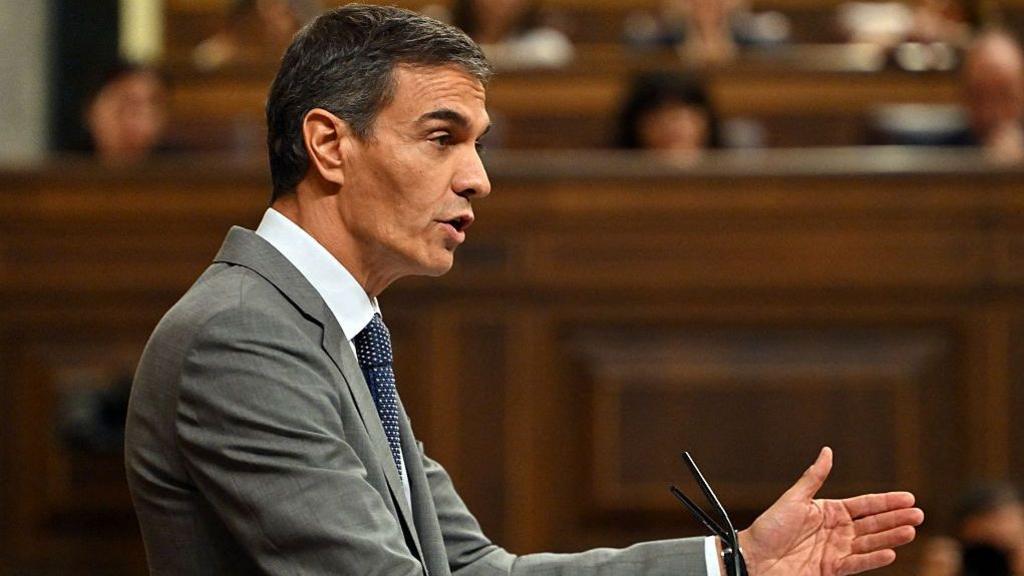
When Prime Minister Pedro Sánchez announced emergency housing measures, he criticized speculation, calling it “another object on the market.” Parliament’s refusal to pass the reforms led Sánchez to call a snap election, underlining the friction between political will and intervention economics.
Despite the protest’s vocal anger at investment funds, economists argue that only 8% of rental properties are owned by companies. The rise in rents, they say, is more a cause of supply scarcity than of market power, especially in the best‑searched GDP‑driven cities. Construction has historically lagged due to regulatory frameworks, yet the population boom has amplified the urgency. Short‑term stays like Airbnb have amplified localized price spikes but do not explain national trends.
The crisis is compounded by stagnant wages. Revolutionary Euro‑zone legislation and inflation have tightened household budgets, with workers spending up to 80% of their income on rent: a reality that Franco Pardo, an 81‑year‑old retired taxi driver, has lived for years.
The death of Maricarmen Abascal—highlighted by the image above—has turned the loners' protest into a national conversation about the right to housing. Now, the question no longer is whether to fight the crisis, but whether Spain can unify around a coherent plan to bring homes back to the people.
Image and caption: The protest at Puerta del Sol, where the community pays tribute to the late Maricarmen Abascal. 
Jorge Moreno (left) and Pierina Nicuray (right) in the square. Their slogan: ‘vulture funds’ are hiking up rents.