Students Block Schools as France’s Education Crisis Escalates

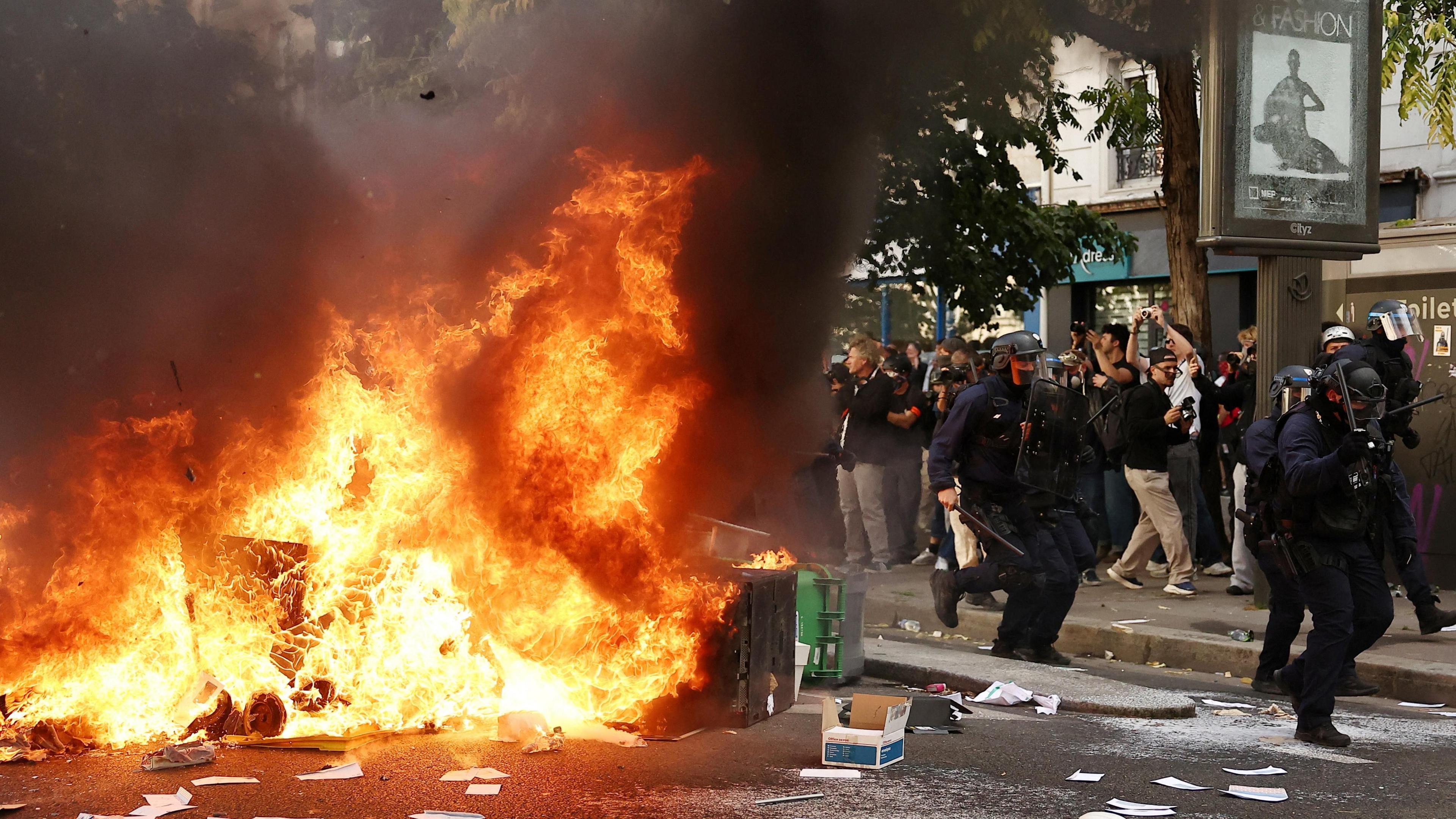
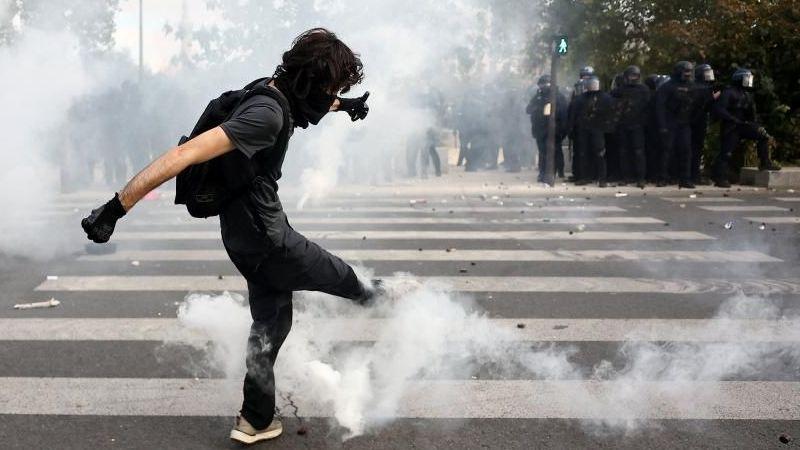
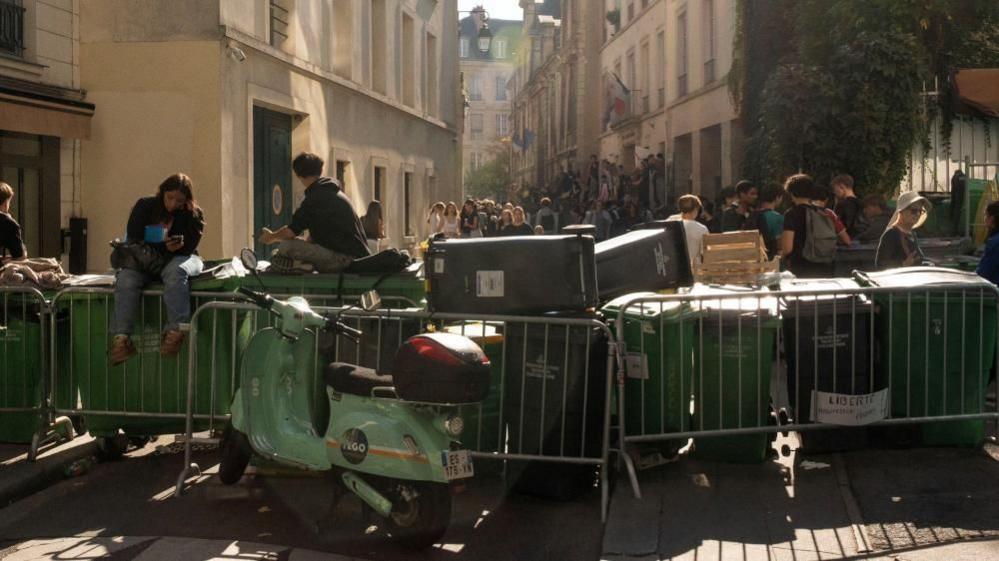
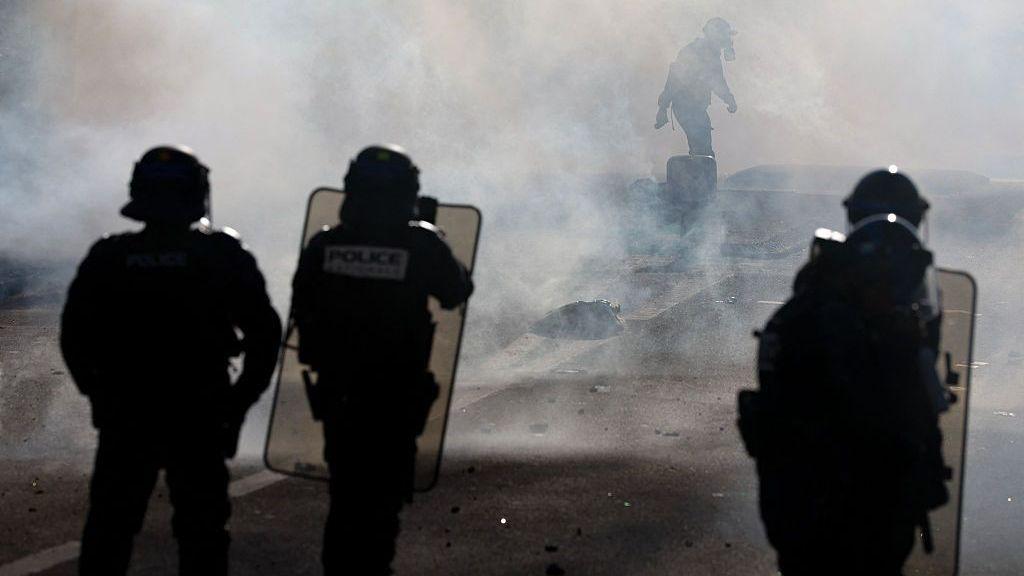
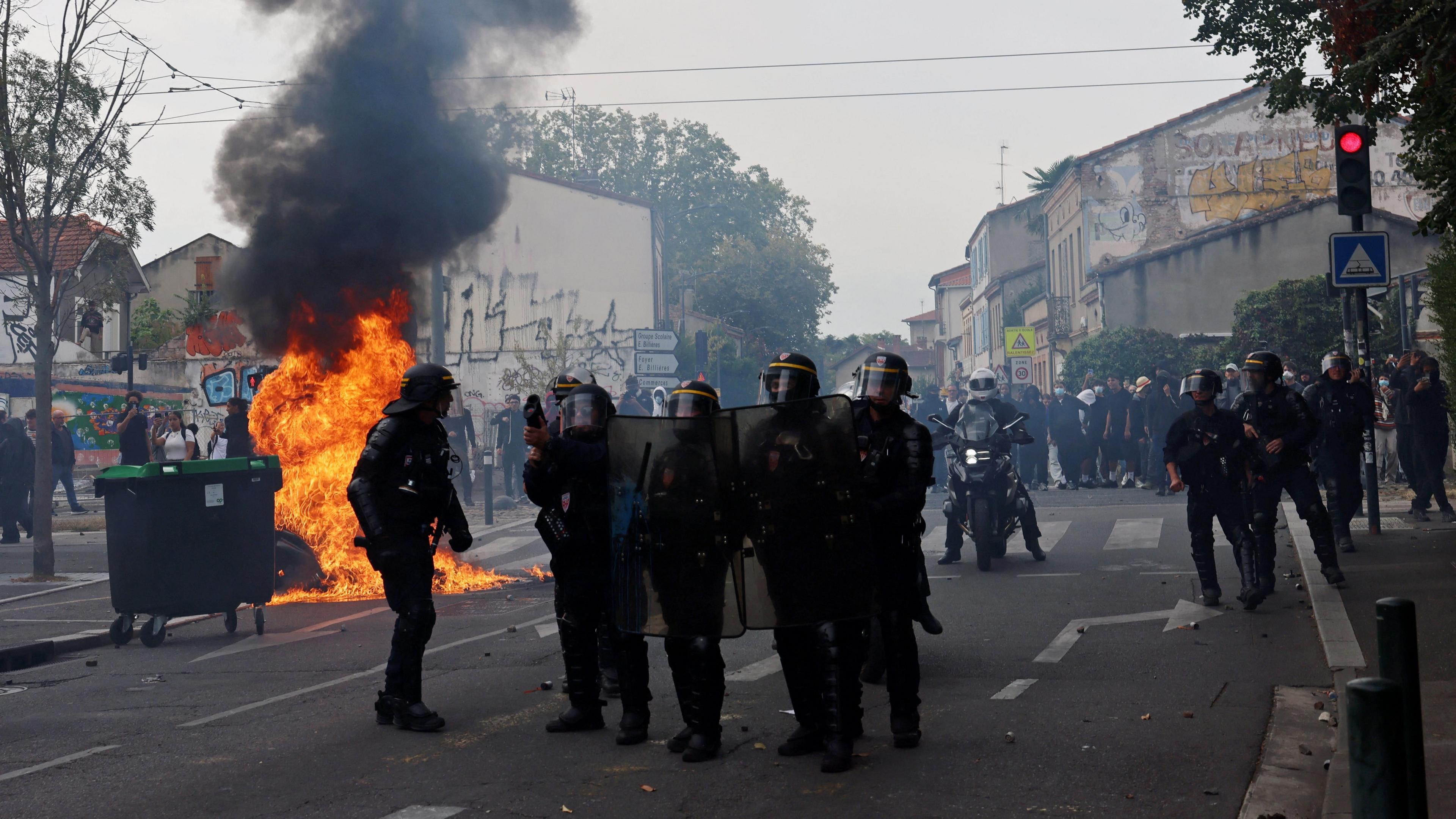
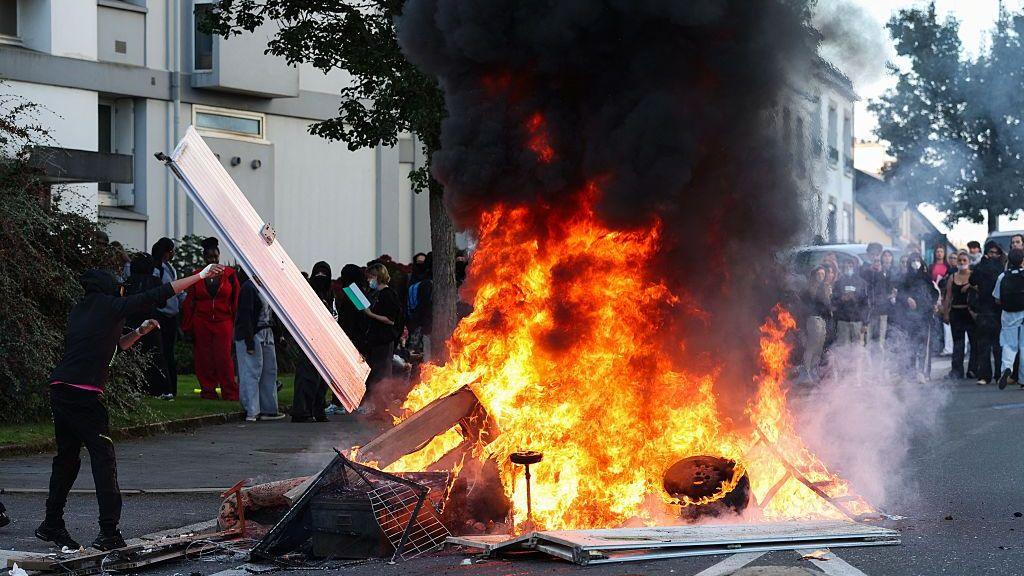
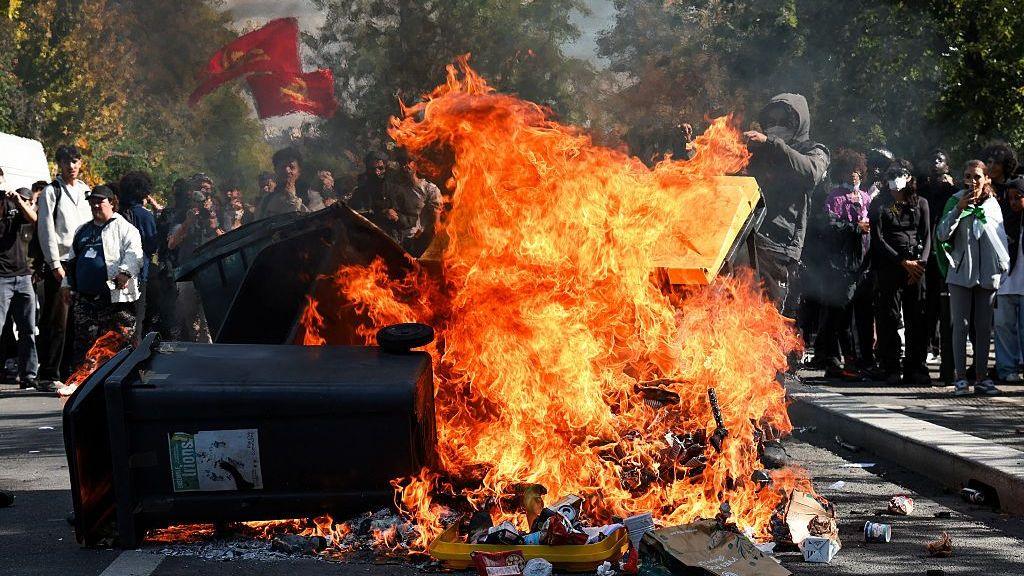
Since late September, students across France have shut down dozens of high schools, turning schools into flashpoints where violence has erupted, hundreds have been injured and thousands arrested. The protests are a reaction to a combination of staff shortages, crumbling buildings and a “bake‑and‑eat” school day that extends past 18:00.
Madalena, a 15‑year‑old from Paris, warns that teachers sometimes miss weeks with no replacements while the heat wave turns school corridors into ovens. In addition, students complain that mobile phones are banned, that their classes are overloaded, and that the nation’s online admissions platform, Parcoursup, feels opaque and unforgiving.
The stakes are amplified by recent economic realities: France’s government spends more per lycee pupil than the EU average, yet teachers receive low pay, and the country’s debt sits at its highest level since the 1940s.

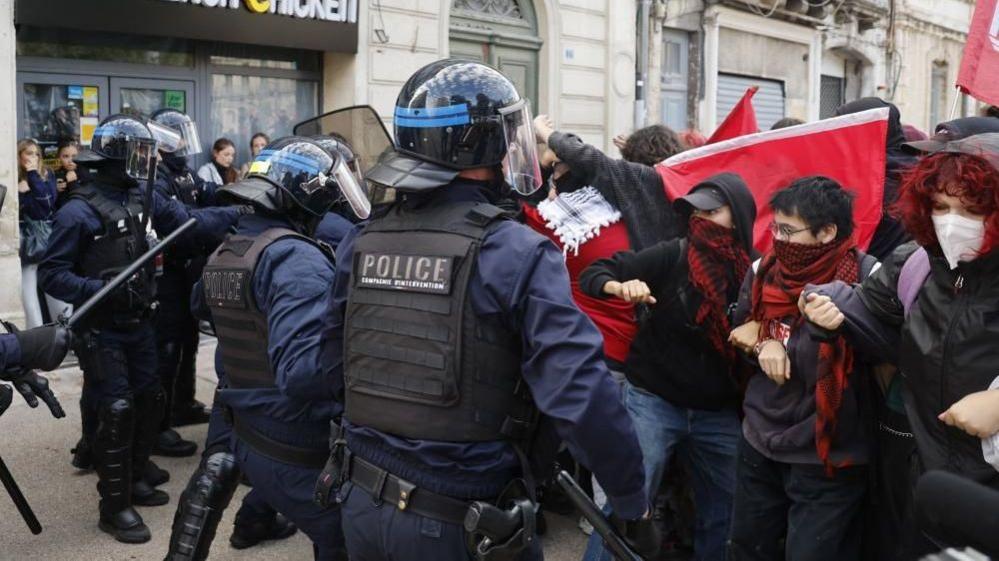
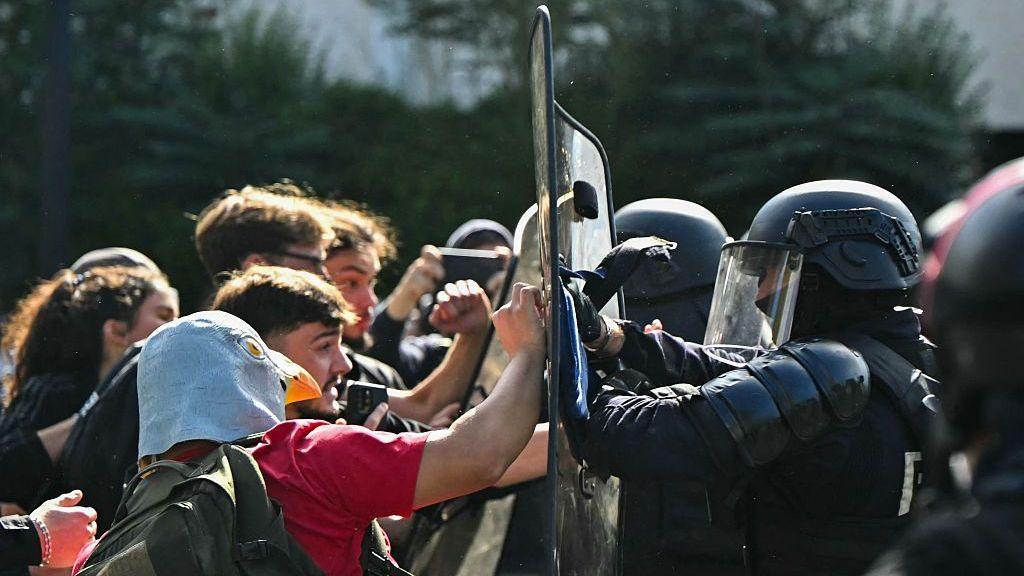
In the streets, the struggle has blurred lines: blocking schools is illegal, drawing police, vandalism and heavy‑handed crowd control. Prime Minister Sébastien Lecornu insists forces are not ordered to “confront high‑school students,” but the showdown is inevitable in a country where street power historically eclipses parliamentary decisions.
France’s history of student activism – from the 1990s campaigns that saved €1.2 bn for lycées to the 2006 withdrawal of a youth‑employment law – shows that protests can topple legislation, yet they can also be contained by elections and political negotiation.
Today’s movement is uncharacteristically massive: 72% of the French populace views the demands as legitimate, and 55% support the protests, according to a BMFTV poll. With more than 80% of students graduating the baccalauréat, competition for university places keeps the pressure high.

The current government, led by a leader dismissed as the weakest prime minister in living memory, faces a tighter budget and a distant election. Its strength may be short‑lived, but its fiscal limits mean it has little room to respond to the growing demands for overgrown schools and a broken admissions system.
In a hyper‑local AR/VR experience, viewers can now walk through a blocked lycée, feel the tension of tear‑gas smoke, and hear the voices that have shaped a century of French protest. The next rally is scheduled for Thursday, risking another wave of clashes that may forever alter the country’s educational landscape.