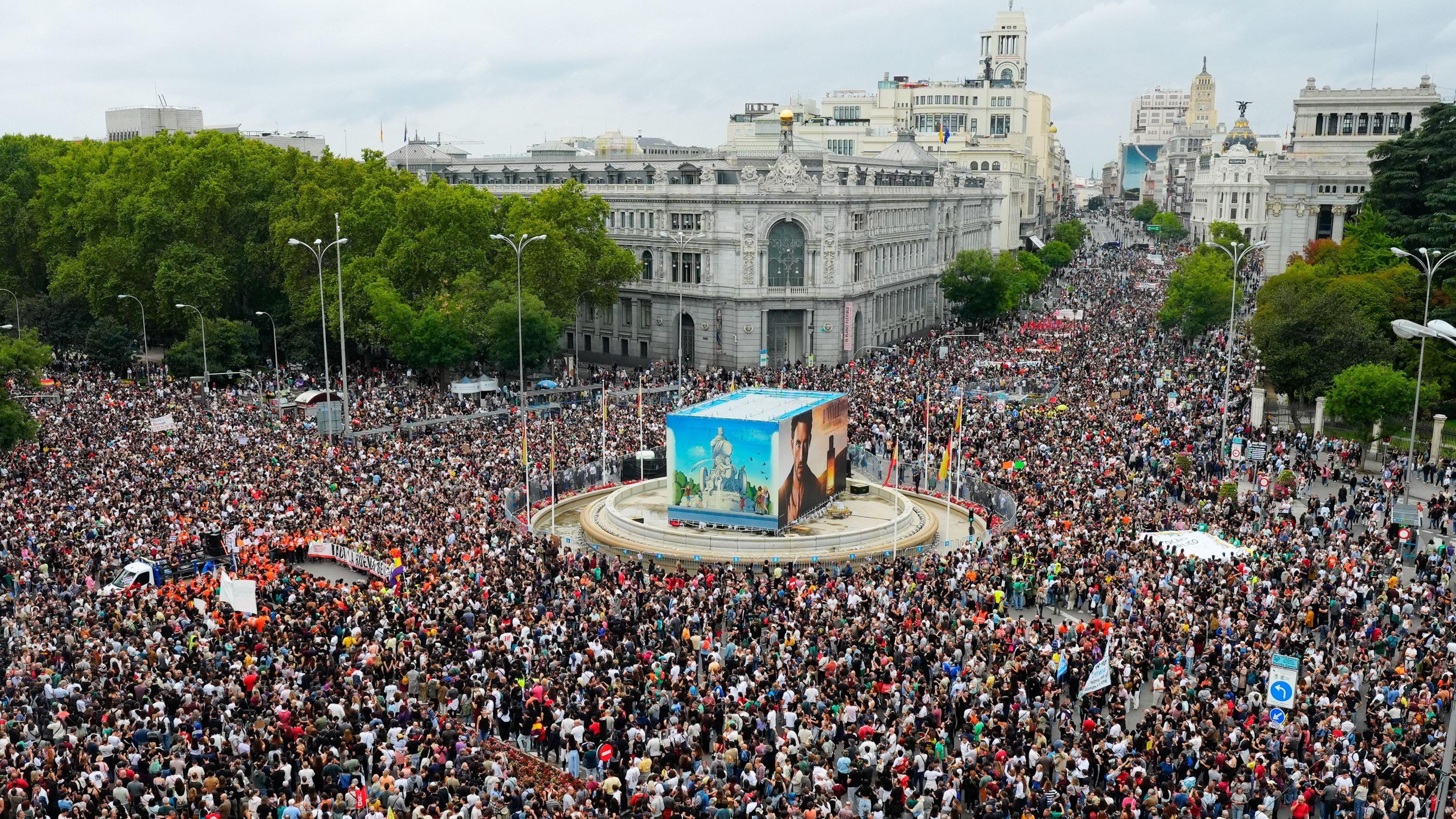
A 21‑year‑old university graduate, Pierina Nicuray, has camped in Madrid’s Puerta del Sol for a week to protest Spain’s housing crisis.
She says the root of the problem is a lack of homes and that landlords and Airbnb are driving up rents.
A 19‑year‑old film‑dubbing student, Jorge Moreno, who has been tenting in central Madrid, echoes the claim that vulture funds and investment funds buy empty homes and hike rents until people cannot afford them.
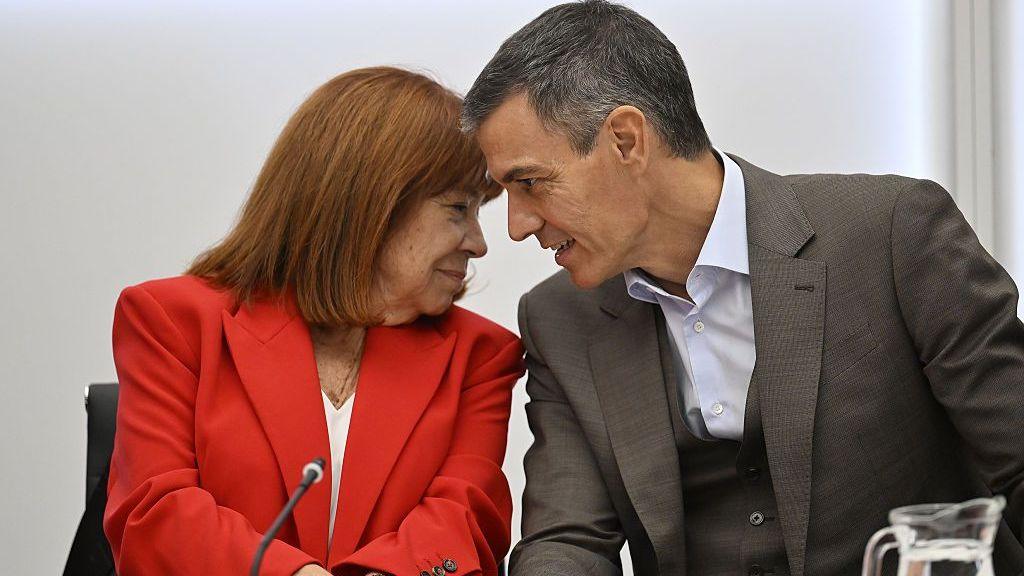
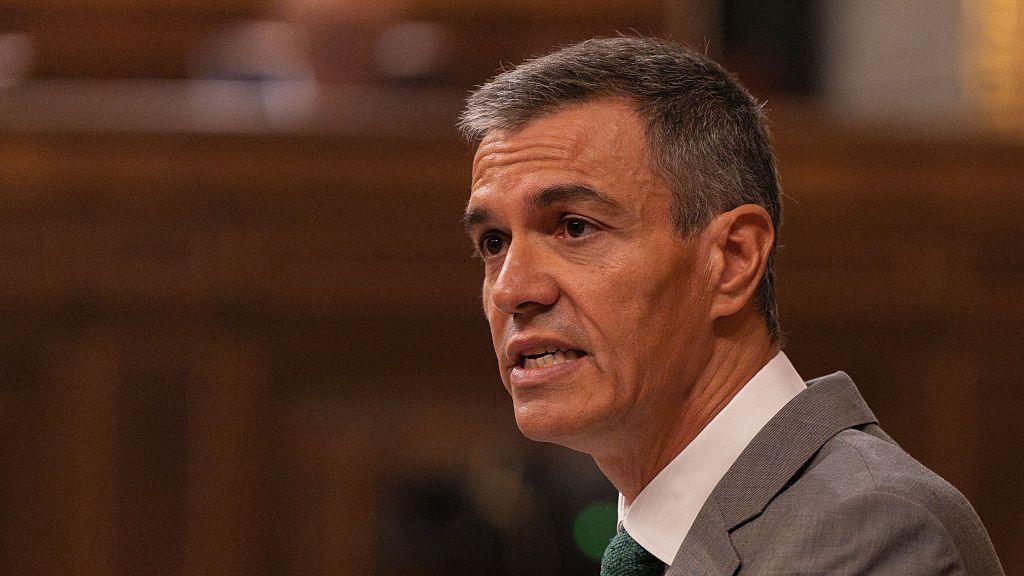
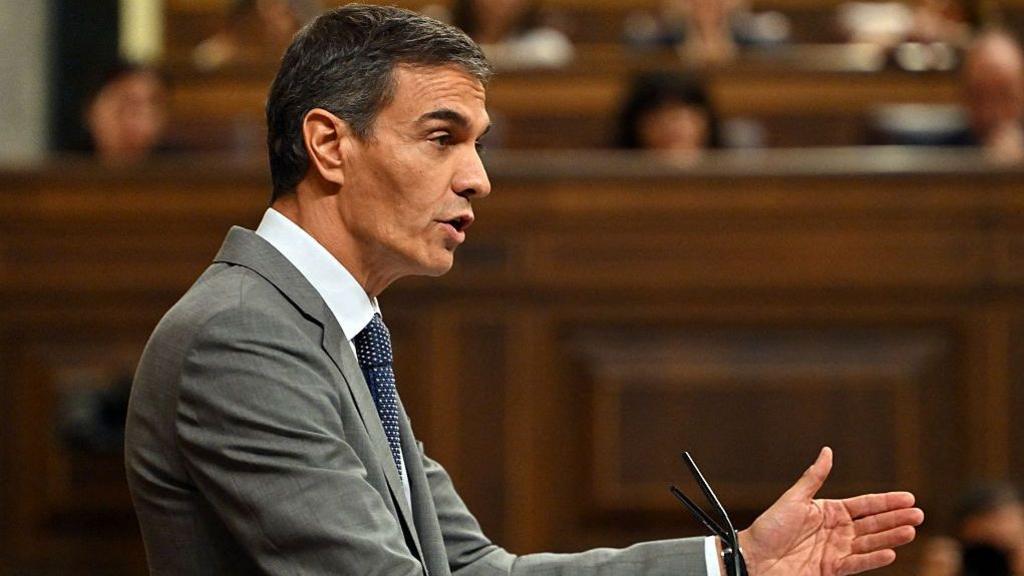
The activists echo the complaints of ordinary citizens and even the government, which recently showed emergency measures that Prime Minister Pedro Sánchez said were aimed at those who view housing as a speculative commodity.
Those reforms were rejected by Congress, prompting Sánchez to call a snap election.
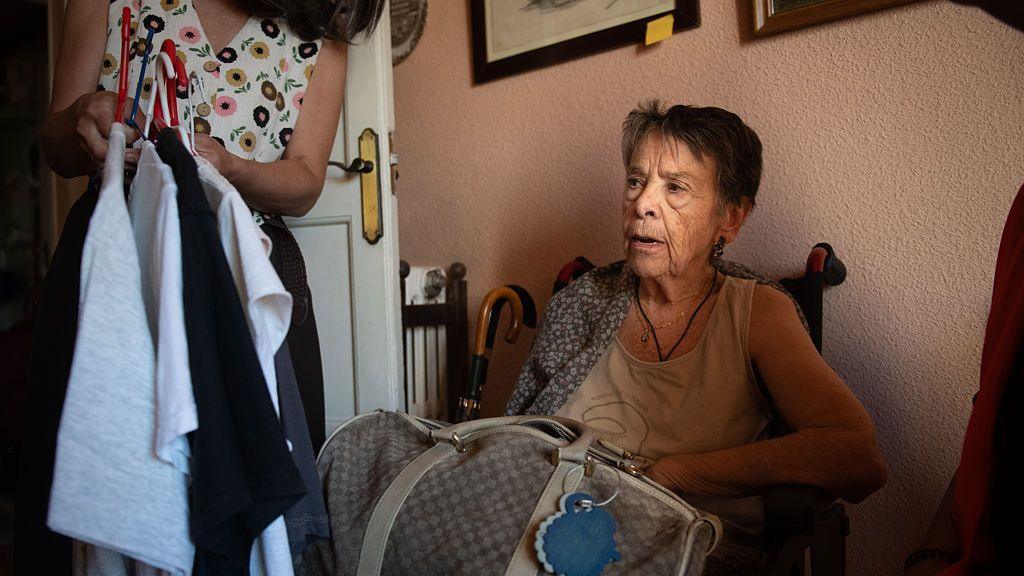
The spark of the current movement was the eviction of an 87‑year‑old woman whose home was sold by a firm that tried to persuade her to leave, sharply raised her rent, and she later died in hospital.
Spain has seen an average rise in rental costs of 84% over the last decade; in Málaga rents have gone up 113%, and in Marbella almost 150%.
The average rent‑to‑salary ratio in Madrid is 75%–80%, meaning many workers spend most of their earnings on housing.
Experts argue that scarcity of supply, construction delays, and demographic growth are the main drivers, not the concentration of property ownership by a few investors.
The Bank of Spain estimates a housing shortfall of about 750,000 units, expected to rise to one million by 2028, while the national statistics institute reports 3.8 million empty properties, most of which are in depopulated rural areas.
Short‑term letting through platforms such as Airbnb has a localised effect, pushing prices up in specific urban centres but not nationwide.
The crisis is adding to wage stagnation, as a study found Spaniards have 5% less purchasing power than a decade ago.
Questions remain whether Spain can reach consensus on solving the crisis now that the country heads toward an early general election.