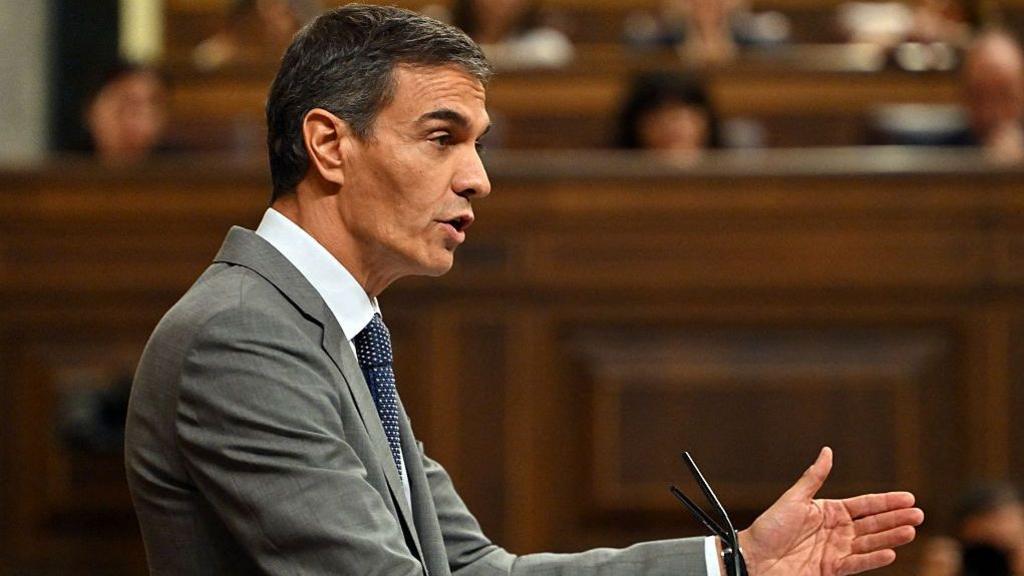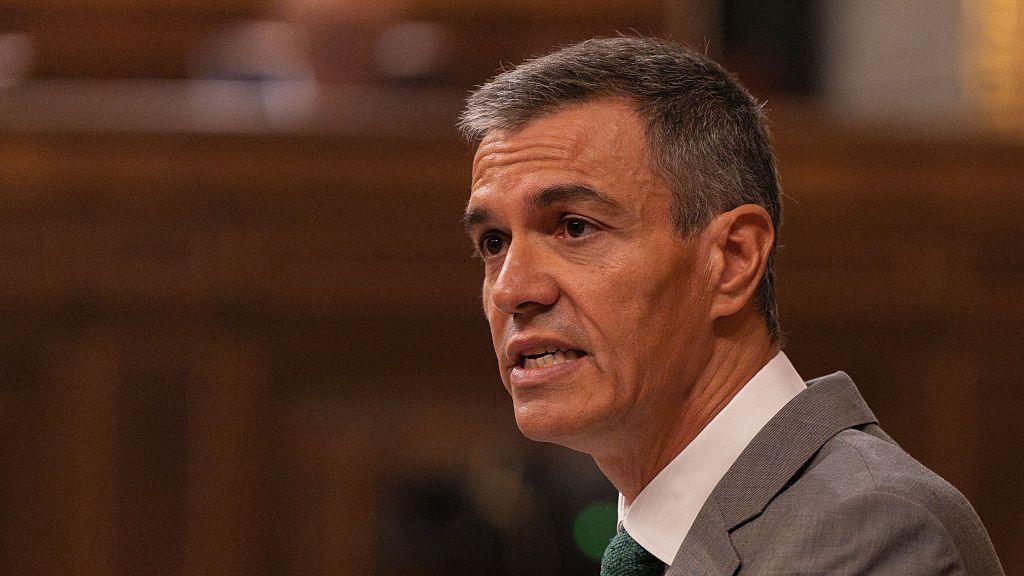

On Monday, Pedro Sánchez, Spain’s longest‑serving incumbent, set a date for a national election on 29 November.
The move follows a series of defeats in parliament that stalled two decree laws intended to curb evictions and protect tenants.
The spark was the forced removal of Maricarmen Abascal, 87, from a Madrid apartment after a landlord raised her rent from €500 to more than €2,600.
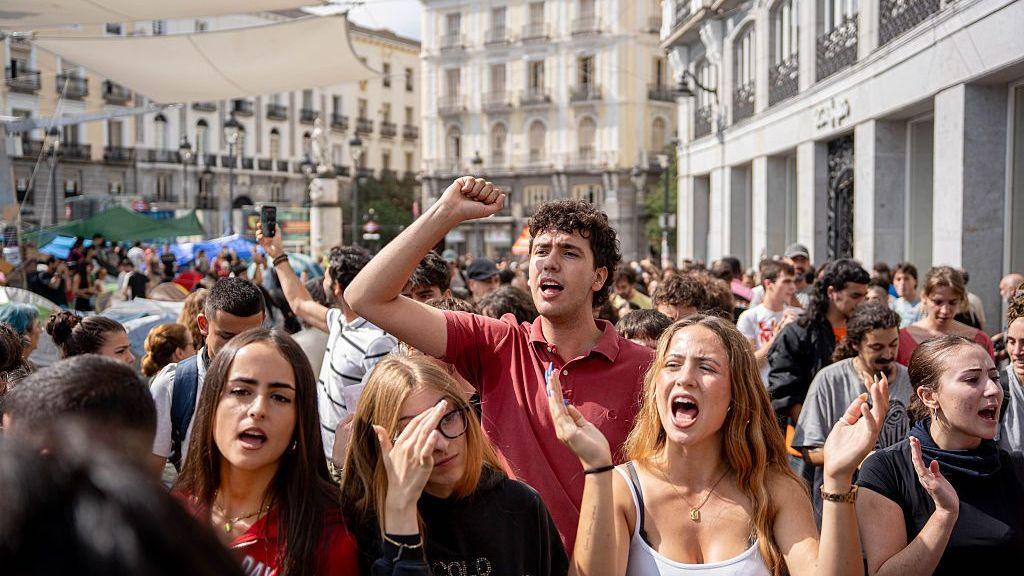
Her case ignited protests across Madrid, Barcelona and Valencia, with thousands calling for stronger housing safeguards.
In his televised address, Sánchez urged a “broader progressive majority” that could overcome the “elites” who block reforms.
Yet his coalition, made of the Socialist Party and the Sumar alliance, records no majority in the 350‑seat Congress.
With Spain’s next scheduled general election only a year away, the snap vote could shape the country’s political trajectory.
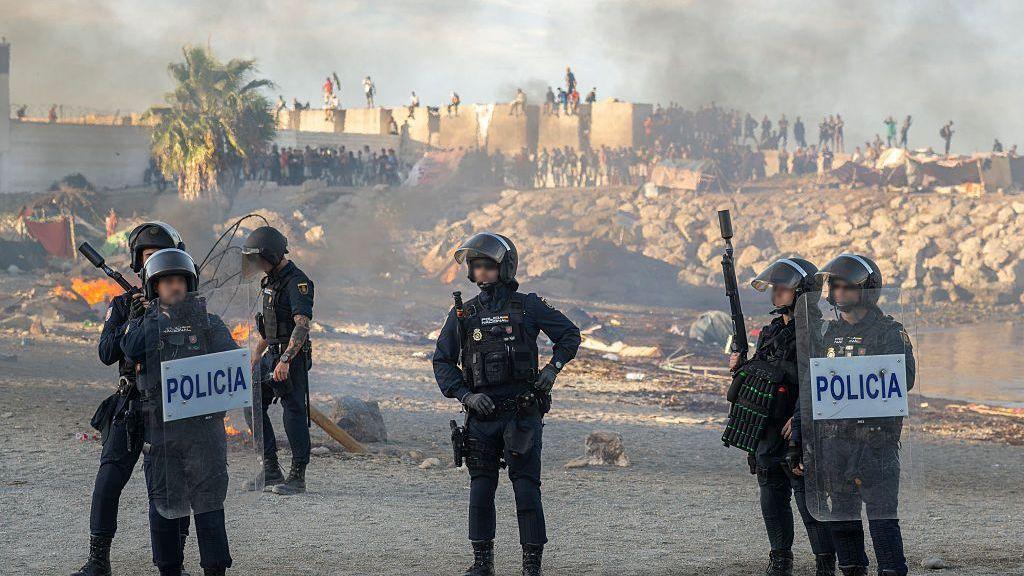
Meanwhile, Sánchez’s record includes corruption investigations into his wife and former ministers, as well as criticism over his handling of the Ceuta migration surge.