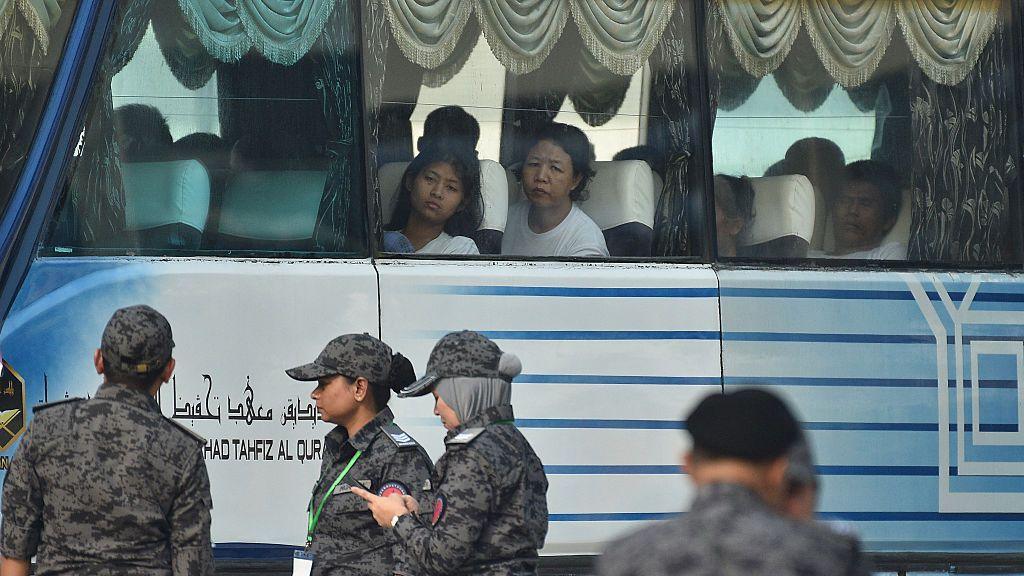
Malaysia Launches Questionable 5,000‑Person Rohingya Repatriation
The Malaysian government has begun repatriating about 5,000 asylum seekers linked to the Rohingya community from Myanmar, in a deal with military ruler Min Aung Hlaing. Three Myanmar navy ships departed Malaysia on Tuesday carrying the first 1,476 returnees, sparking protests from human‑rights groups that the deportees could face violence, persecution and forced conscription.
Malaysia presents the operation as voluntary, but detainees are kept in detention centres and the UN refugee agency has been barred from viewing or screening them. Prime Minister Anwar Ibrahim says he is responding to “growing public hostility” towards the Rohingyas, describing them as an “economic burden” and a “source of hostility”.
The shift reflects two main factors: post‑pandemic economic strain that has incited resentment of immigrants, and political instability in Malaysia since the 2018 elections, which have weakened governing coalitions and increased ethnic‑political rhetoric.
Shifting Sentiments
For years Malaysians had strong sympathy for fellow Muslims fleeing Myanmar’s Rakhine State. Over 200,000 Rohingyas now live in Malaysia, largely tolerated after initial naval blockades. But during the COVID‑19 pandemic, social‑media accusations of criminality and demands for deportation rose, prompting the government’s hardening stance.
A PM under Pressure
Anwar, once hailed as a champion of liberal values, condemned any mistreatment of Rohingyas in detention, yet insists on their expulsion. He faces criticism from former allies and a slump in popular support, as Malaysian voters increasingly rally behind UMNO’s calls for special treatment for ethnic Malays.
Forced Home
Even if repatriated, Rohingyas lack citizenship and the paperwork to re‑enter Myanmar legally, and have to settle in a territory dominated by the Arakan Army. The only feasible location is the besieged capital Sittwe, where shortages of food and medicine persist and men may be conscripted into the civil war.
Neither Malaysia nor Myanmar have detailed how they will mitigate these humanitarian risks, raising fears that the repatriation is largely a political pawn aimed at toning public anger rather than a safe, dignified return.