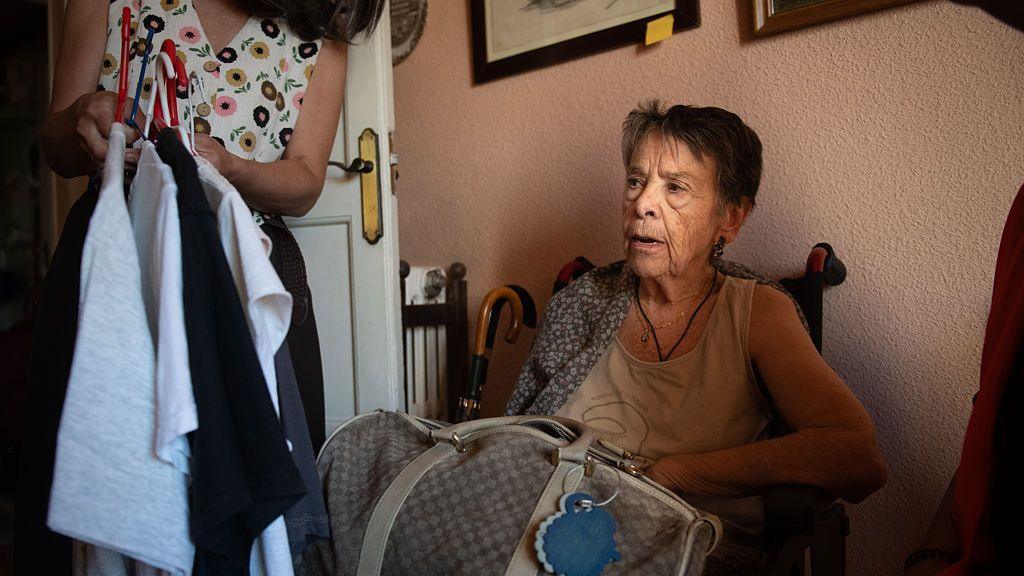
Maricarmen Abascal, 87, died in Madrid after authorities forced her out of a flat she had lived in for more than 70 years. The eviction, carried out on 23 September, followed a sharp rent increase from €500 to €2,650 a month by the new owners, Urbagestión.
Despite being offered a lower rent of €1,650, Abascal could not sign the agreement while she was hospitalized at Gregorio Marañón, unable to manage the paperwork. The Madrid Tenants’ Union declared her death a “turning point” in Spain’s housing debate.
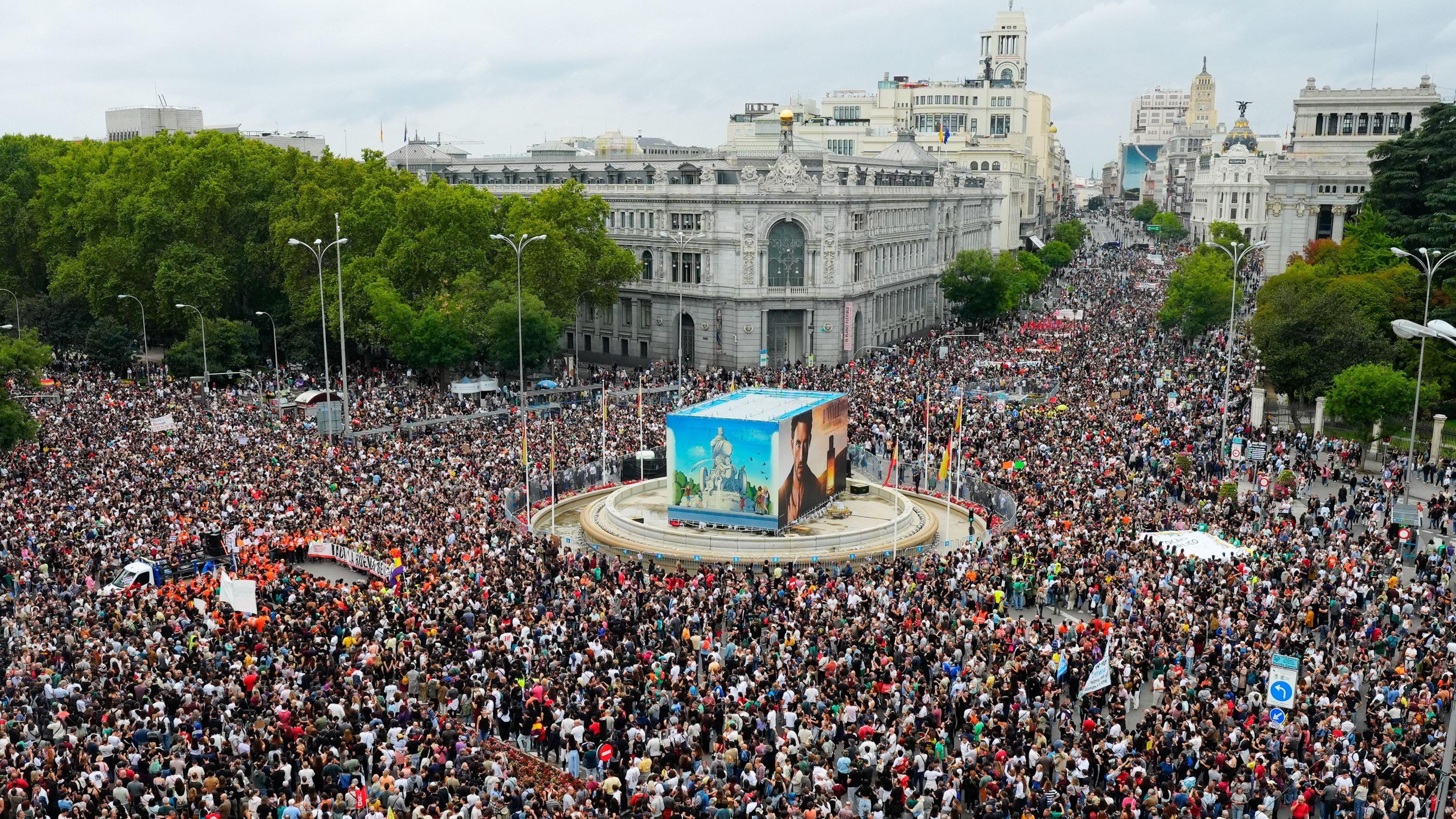
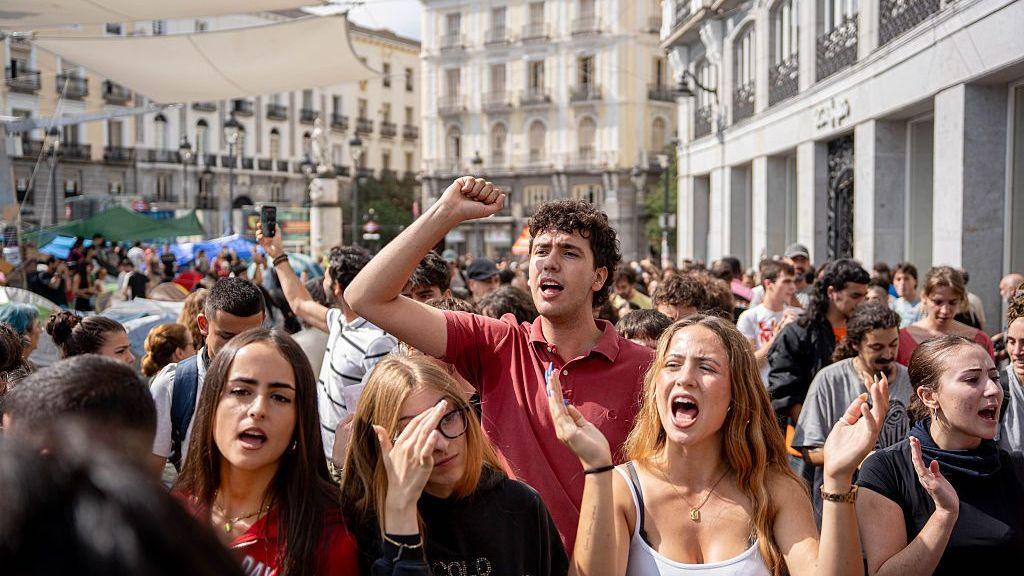
The protests that erupted after her eviction spread across the country, culminating in a moment of silence and candles in Madrid’s Puerta del Sol. Protesters marched in solidarity, chanting slogans such as “we will not tolerate a single eviction more.”
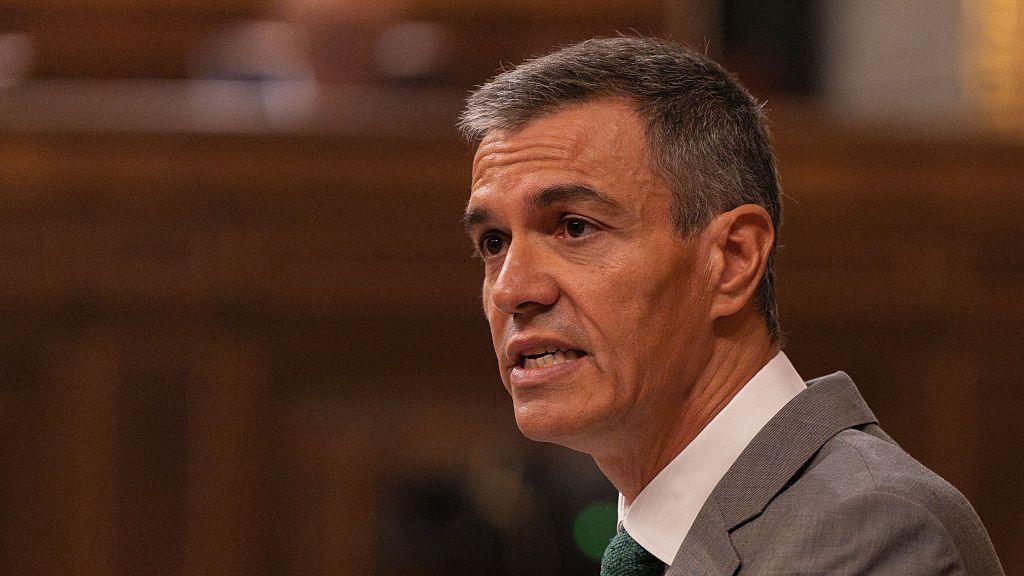
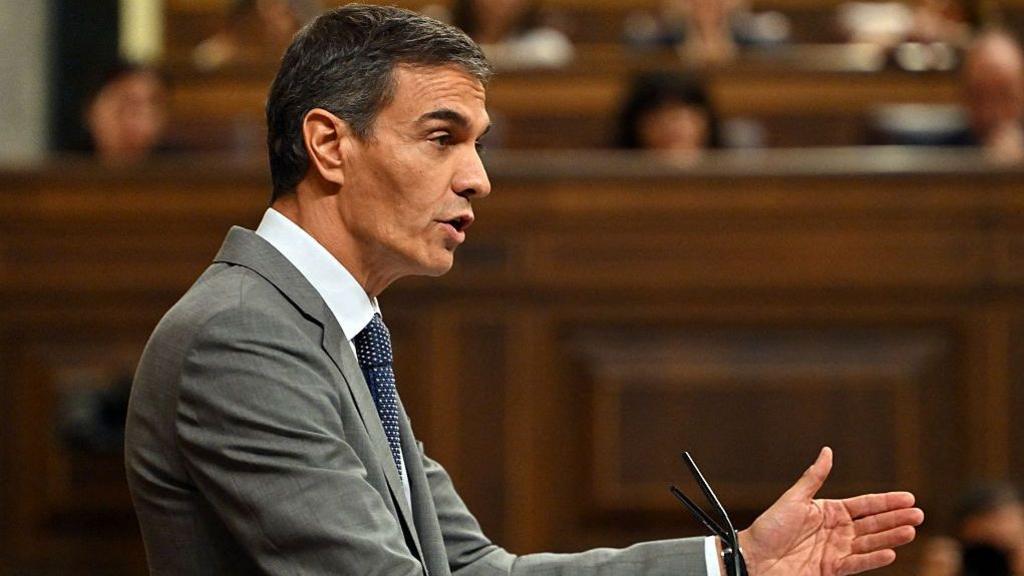
Prime Minister Pedro Sánchez and opposition leader Alberto Núñez Feijóo both issued condolences. Sánchez called for respect and noted that her death would not be politicised, while Feijóo urged that the loss not be exploited by parties.
The controversy highlighted deep political divisions over housing policy. While Sánchez’s government had enacted emergency decrees that were rejected in Congress, the opposition argued that intervention would raise prices and reduce the rental market.
In Madrid, a collective shout of “murderers” echoed after a minute of silence in the square, and a few hundred marchers returned to Parliament to demand that no further evictions occur. Unions have already called for a general strike on 11 November to pressure the government for reforms.
Abascal’s story has resonated beyond Spain. Her final recorded message from her hospital bed, “I haven't defended my home, but I have fought so that others can learn to fight for what’s theirs,” remains a rallying cry for activists fighting for housing rights.