Iran's Strike on Israel Signifies Growing Confidence in Its Resilience
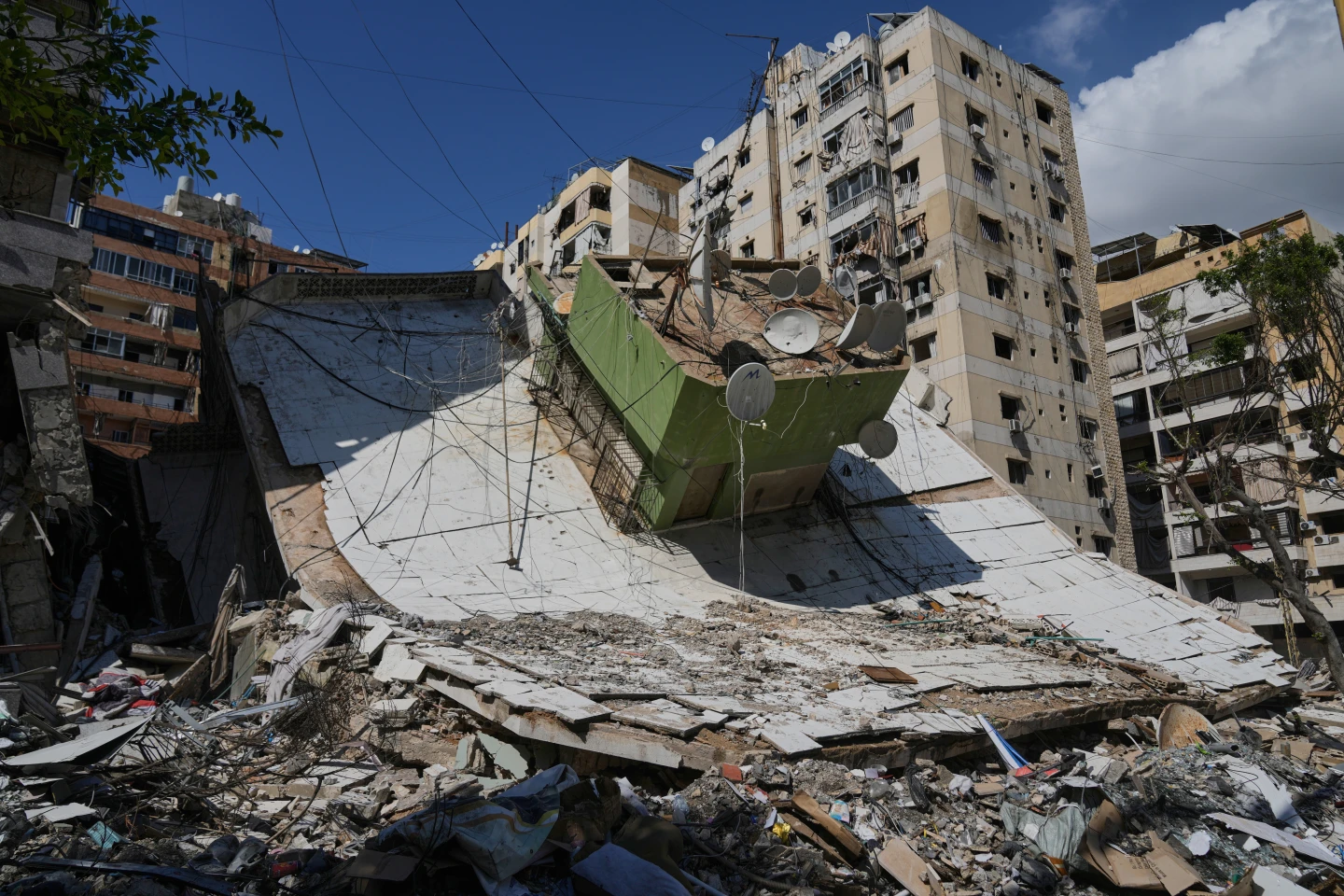
In the dark hours of the previous night, Iran launched missiles and drones at Israel in response to Israeli strikes on a Hezbollah‑linked building in southern Beirut. While the military impact of that strike was limited, its political echo reverberates across the region.
Iran’s policy of retaliating when its territory or interests are attacked has long shaped its foreign policy. This time a change is evident: the regime chose to retaliate after an attack on its ally, treating the event as a direct attack on its own security. In a surprising move, it announced a pause on further strikes, a stance that sets the stage for potential flexibility yet underlined a readiness to reply if Israel again clashes with Lebanon.
The strategic calculus behind Tehran’s decision is steeped in its recent experiences. After enduring Israeli air strikes, U.S. military pressure, economic sanctions and a naval blockade, the Islamic Republic survived. Its leadership now sees the state as a hardened actor with a solid track record of absorbing blows, thereby giving it leeway to pursue both offense and diplomacy on an even playing field.
Beyond mere retaliation, the strike may serve as deterrence—an eye‑opening warning that Iranian allies will be held accountable alongside Tehran itself. It also delivers a message to U.S. and Israeli regional partners that Iran will act on the talks it threatens. Such a stance has deep implications for the “Axis of Resistance,” whose credibility has perennially rested on Western confidence in Iran’s backing of its partners.
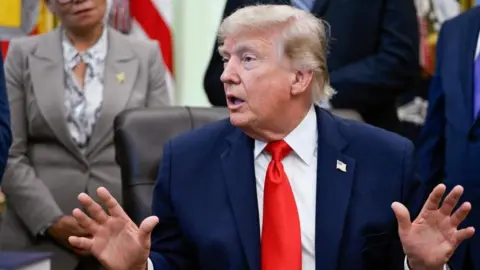
The timing of the attack is intriguing. President Trump had just hinted at a possible deal, and conventional thinking would advise Iran to tread carefully to preserve diplomatic gains. Yet the regime appears to have absolutely the opposite view: a calibrated military show might strengthen its bargaining power by demonstrating that it still possesses leverage, thereby reminding Washington and Israel of its enduring threat and options.
The question is less whether Iran can survive another round of Israeli attacks and more whether it can combine that resilience with diplomatic engagement. If successful, it could establish a new regional reality for Iran—one where it negotiates from a position of strength while enforcing its own strategic red lines.
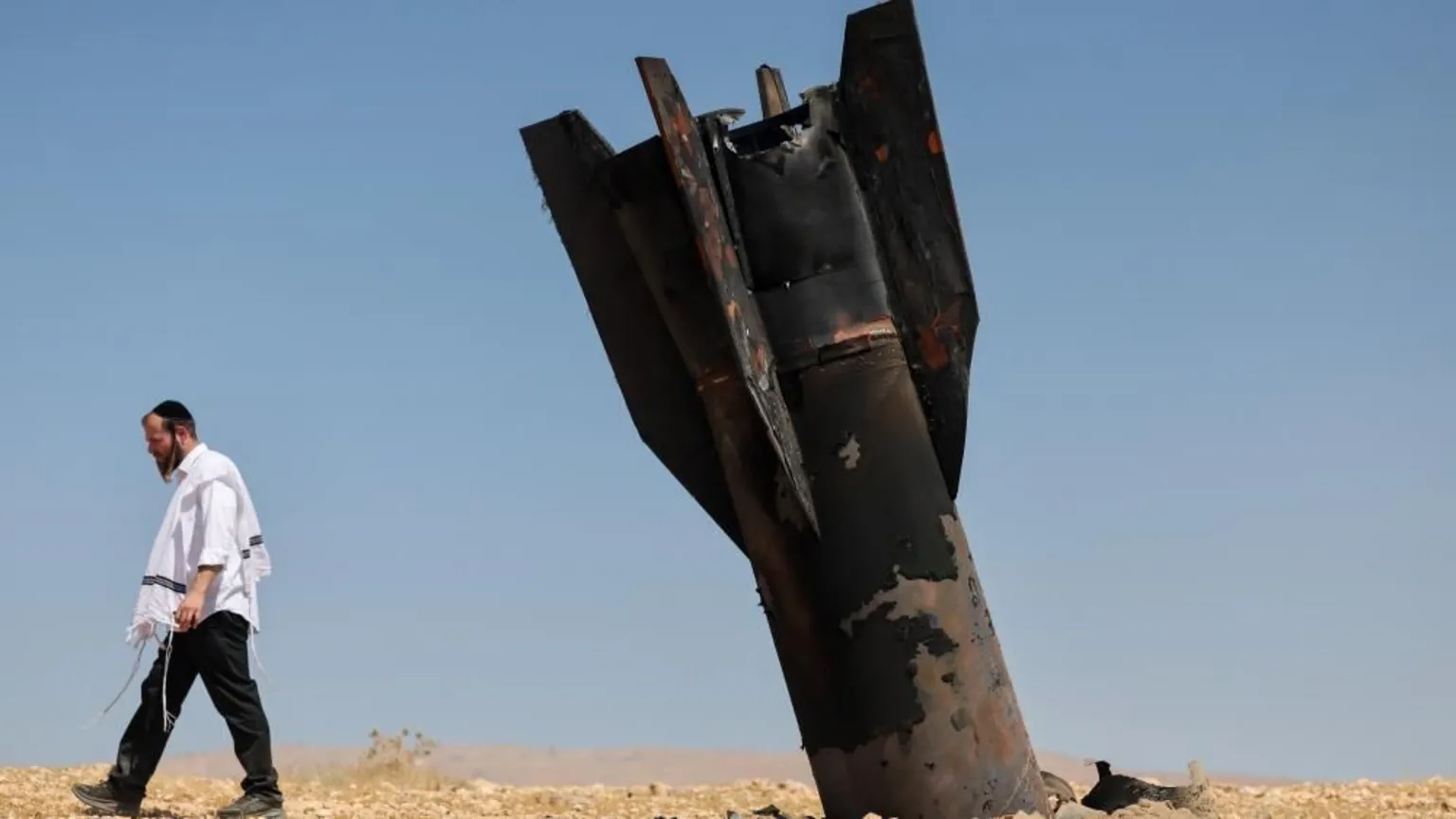
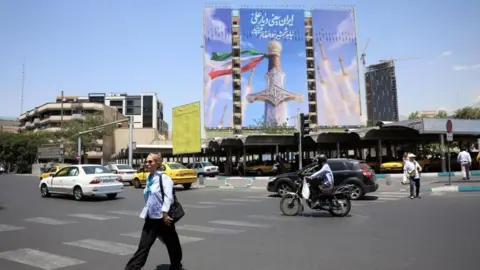
Across Iran, responses were mixed. Some defended the strike as vital retaliation for Hezbollah’s role and a defense of Lebanon’s sovereignty, while others questioned why Tehran seemed to prioritize Lebanon over its own southern territories. Many voters remain uneasy about the conflict’s trajectory, yet a segment of the public perceives the action as a self‑assertive, propaganda‑driven display intended to surge patriotic sentiment rather than provoke a full‑scale war.
This episode signals a shift in Tehran’s posture. It shows a leadership that believes it can absorb a new wave of Israeli strikes while simultaneously maintaining its diplomatic pursuits—an unprecedented blend of offense and politics that reshapes how the Islamic Republic navigates the geopolitics of the Middle East.