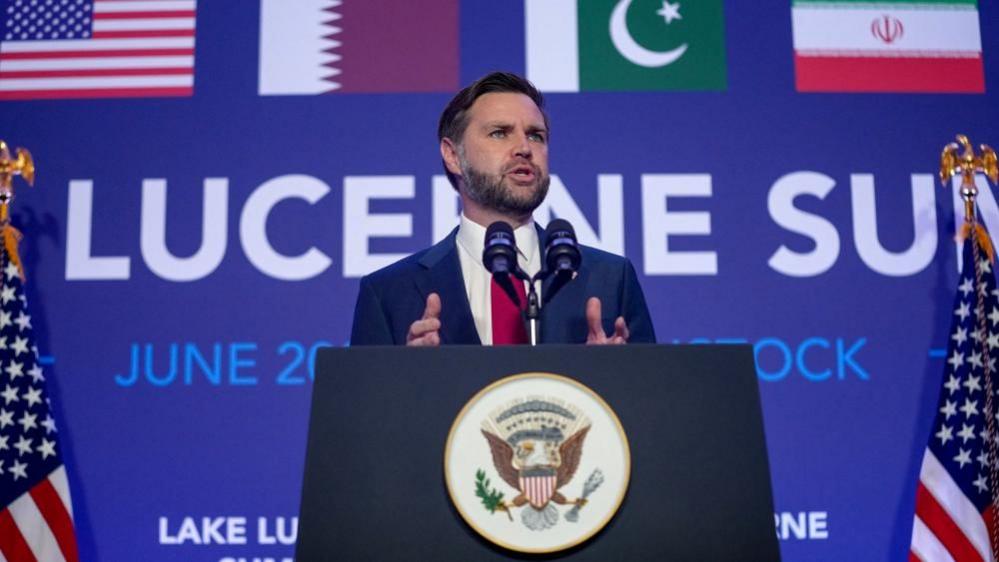
The United States and Iran announce they both prefer to avoid returning to war, yet the cease‑fire that began on 8 April has stalled as talks mediated by Qatar, Pakistan and other nations persist on a tense battlefield of diplomacy and military readiness.
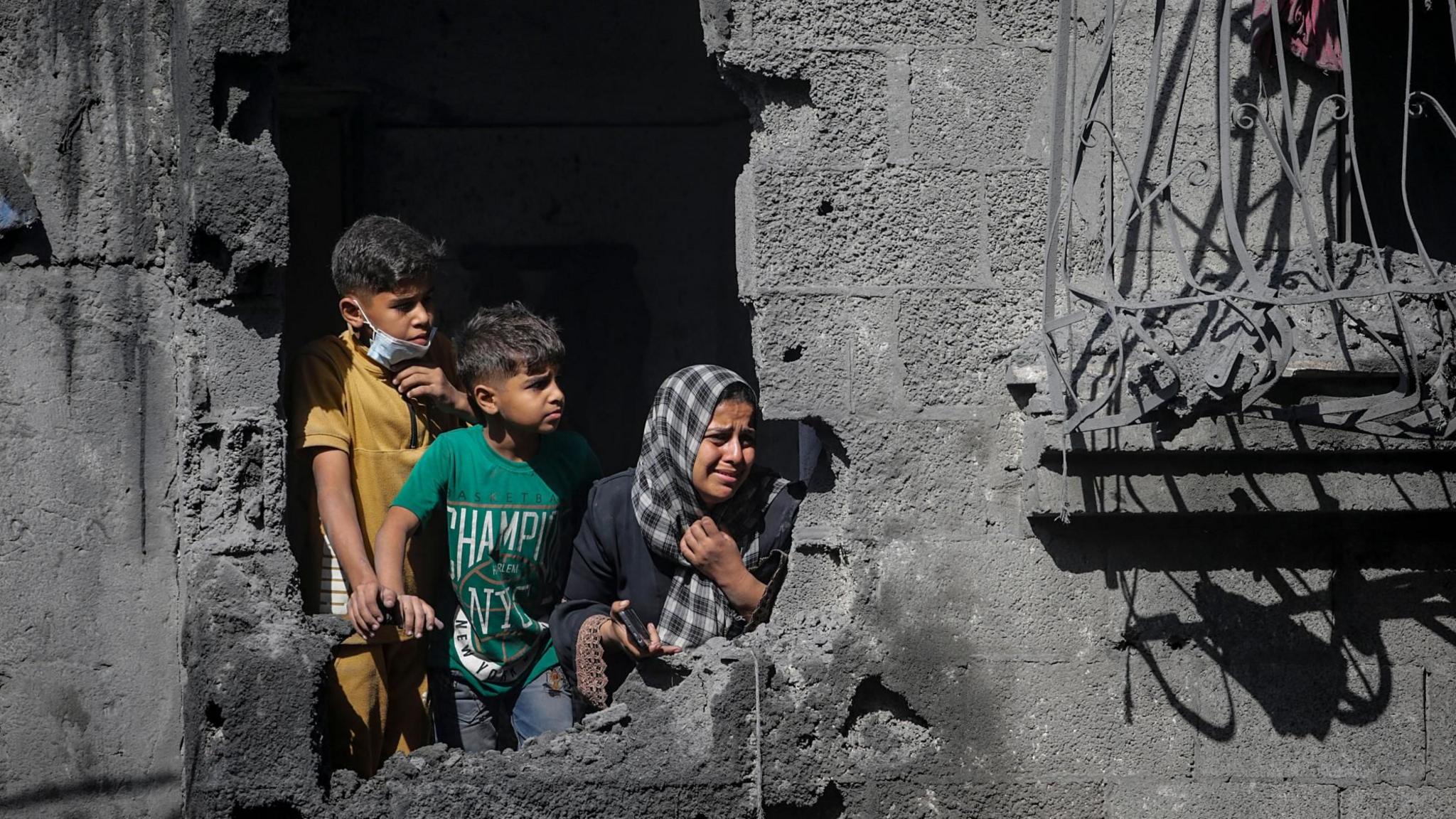
The US still points advanced naval and air fleets within striking distance of Tehran, adding pressure on the Iranian regime to keep forces on alert and use the cease‑fire to regroup and repair damages inflicted by US and Israeli strikes.
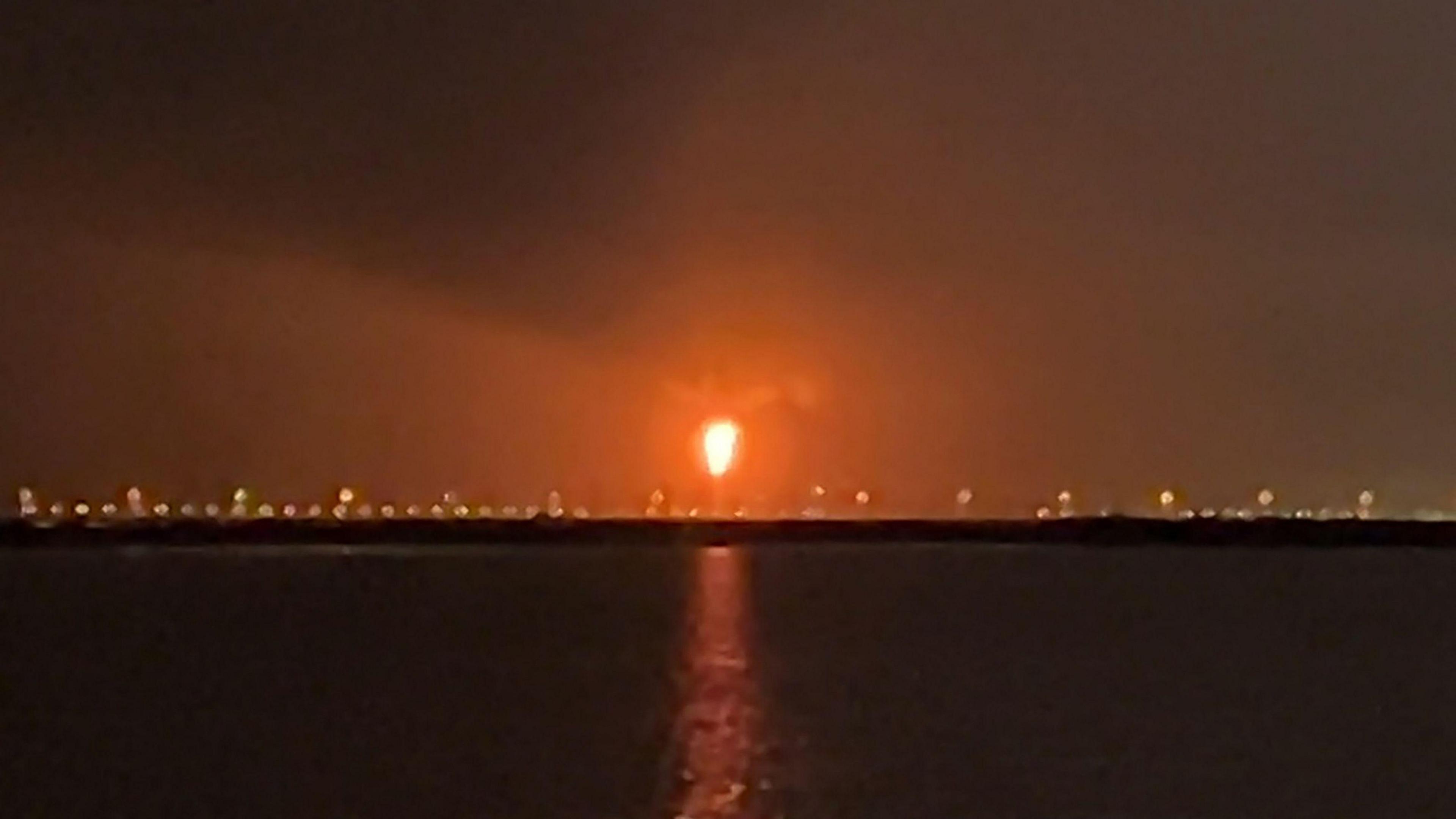
Tension around the Gulf remains high; a miscalculation could trigger escalation. The US demonstrates its proximity and capability to inflict damage, meanwhile Iran counters with a steady refusal to concede and a threat to target American bases and broader Gulf infrastructure.
The first objective for a sustained peace is to keep the cease‑fire in place and forge a memorandum of understanding that opens further talks. That goal is hard to achieve, as Iran demands a price—potentially sanctions relief, revival of frozen assets and re‑opening of the Strait of Hormuz, a prerequisite for serious negotiations.
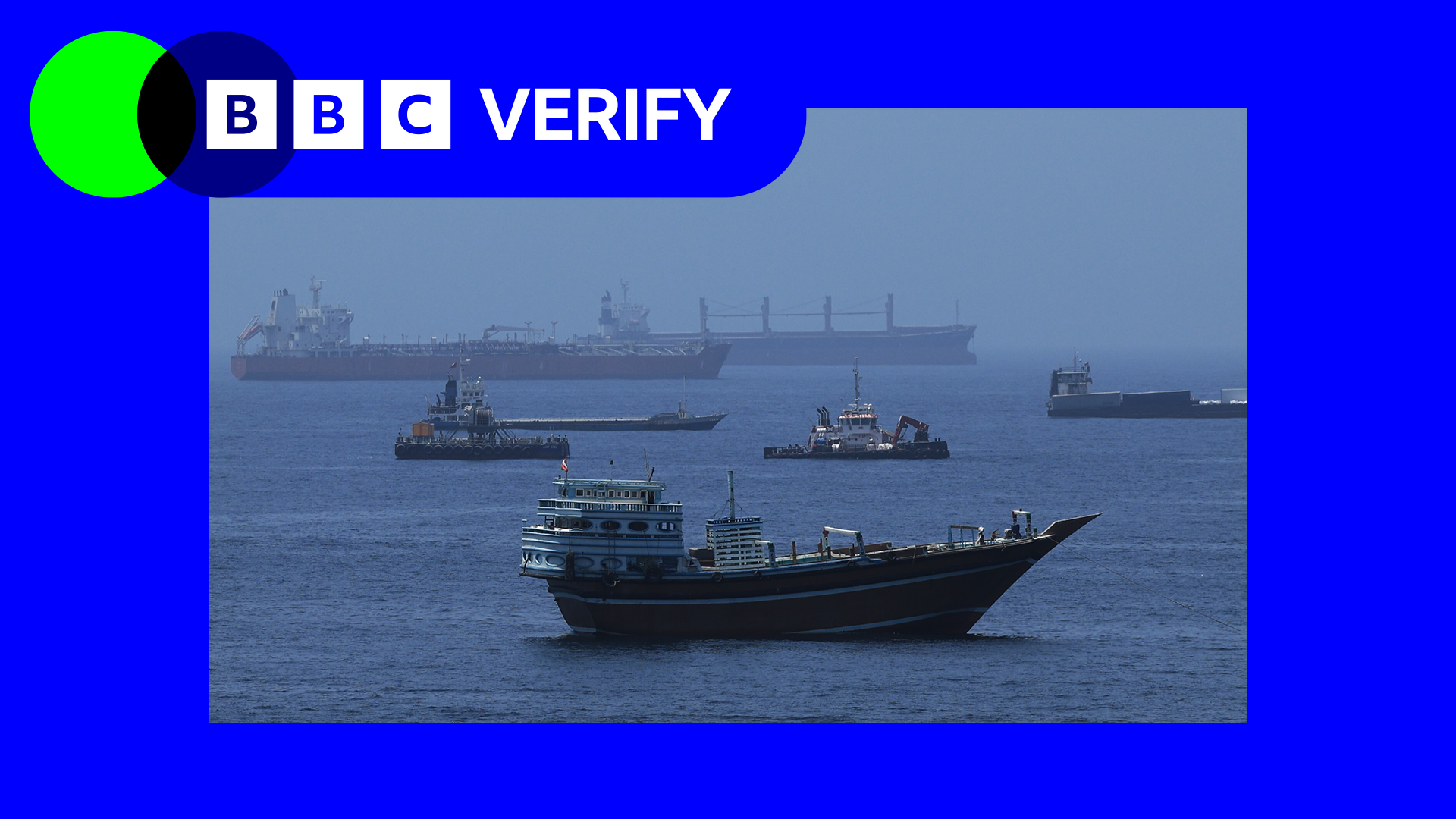
Only a trickle of ships flows through the vital waterway after Tehran closed it following attacks on 28 February. The Gulf states—Saudi Arabia and the United Arab Emirates—are operating pipeline alternatives, yet global oil supply have fallen roughly 20 %, underscoring the stakes of keeping the strait open. Shipping and energy markets are teetering; US petrol prices remain tethered to global supply.
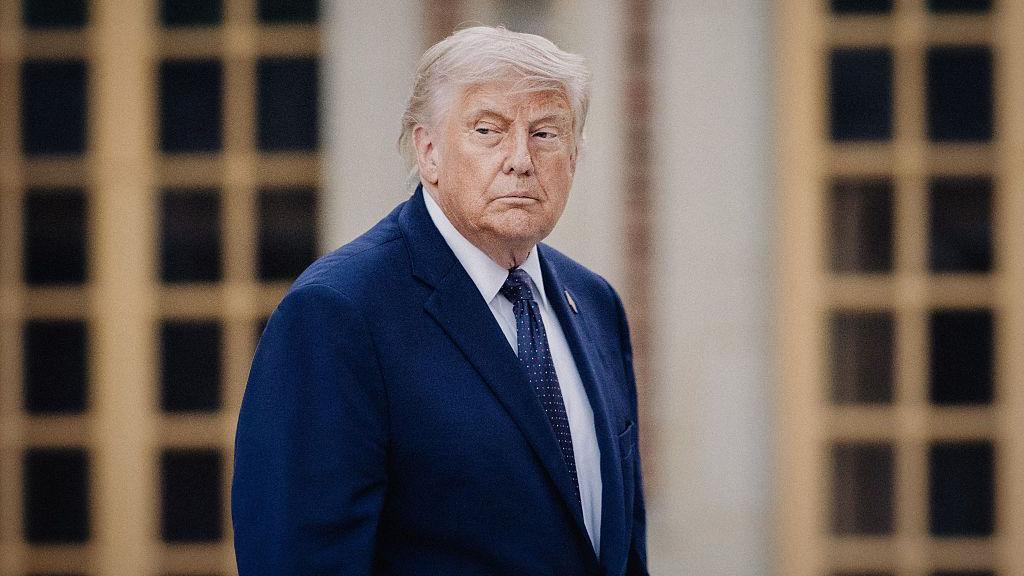
Trump’s challenge is twofold: securing concessions from Tehran without appearing weak to American hawks, and balancing a rapid end to the war with a diplomatic settlement that avoids backlash from critics and the harsh perception of a “re‑escalation.” He must navigate the policy legacy of withdrawing the 2015 nuclear deal, for which he was a vocal critic, and therefore resist agreements that resemble it, even if such deals could smooth the path to a closed‑airspace agreement.
Iran, fiercely independent, frames its struggle as a fight to preserve regime survival. Repeated US strikes, even in partnership with Israel, have failed to compel concessions, illustrating the entrenched resilience of Tehran’s leadership. World economies, particularly Gulf emirates, watch closely, as the war’s impact on their oil exports threatens long‑term economic development and international investment confidence.
Qatar remains a key diplomatic partner, alongside Pakistan, in retrying the talks. On the other side, the United Arab Emirates has deepened ties with Israel, while Saudi Arabia, although publicly acting independently, signals the rigid stance of its leadership against Iranian aggression. Meanwhile, Trump and Netanyahu’s confidence in swift victory through air power has proven misplaced, underscoring the complex reality that regime survival stretches beyond external military pressure.