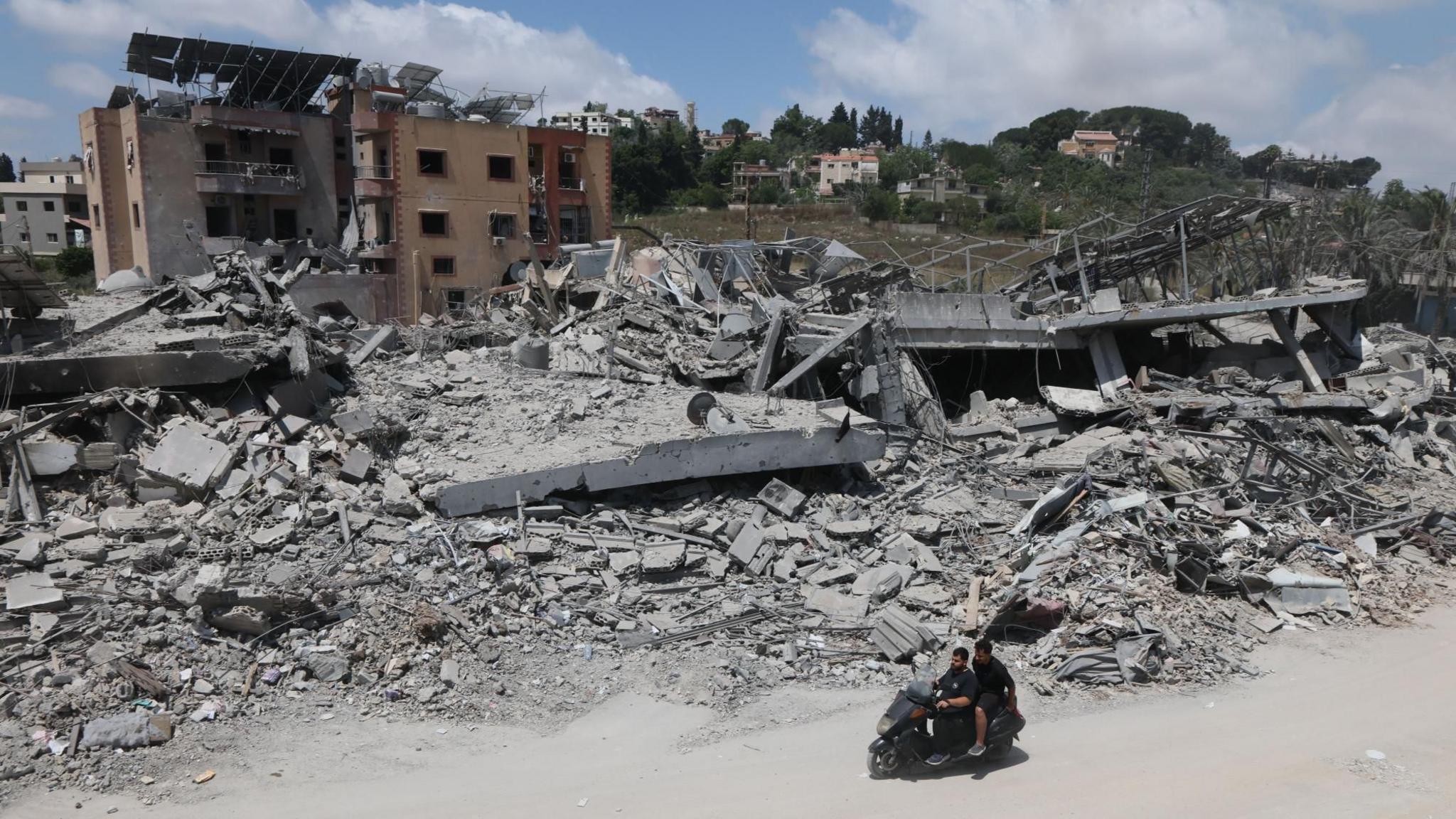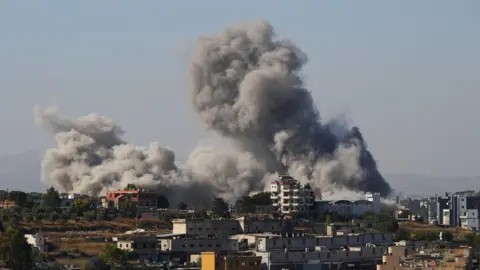
Prime Minister Benjamin Netanyahu has announced that Israeli aircraft will target “terrorist” sites in Beirut’s Dahieh region, the heart of Hezbollah’s influence, after an increase in rocket attacks across the border and violations of a U.S.‑brokered ceasefire agreed in April.
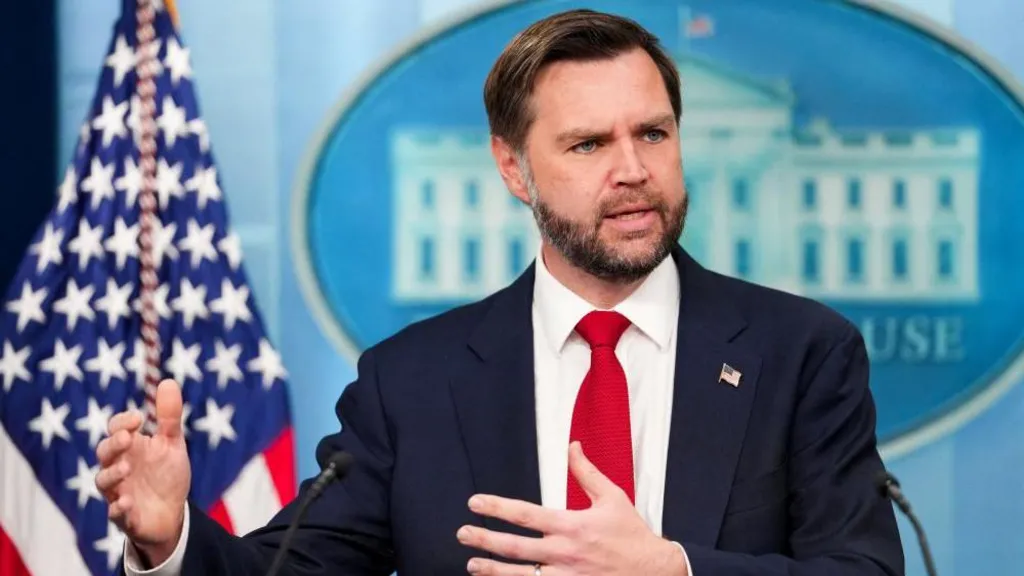
Defence Minister Israel Katz declared the campaign “not over,” stating that Israel was determined to crush Hezbollah’s power. Meanwhile, Lebanese Prime Minister Nawaf Salam accused Israel of using a scorched‑earth policy and collective punishment, underscoring the regional gravity of the escalation.
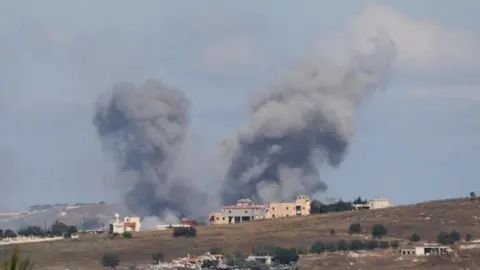
The recent seizure by Israeli troops of the 900‑year‑old Beaufort Castle after crossing the Litani River has drawn Lebanon further into the Iran‑Israel conflict. Israeli troops now occupy Lebanese territory east of the river, a move that has dramatically intensified hostilities.
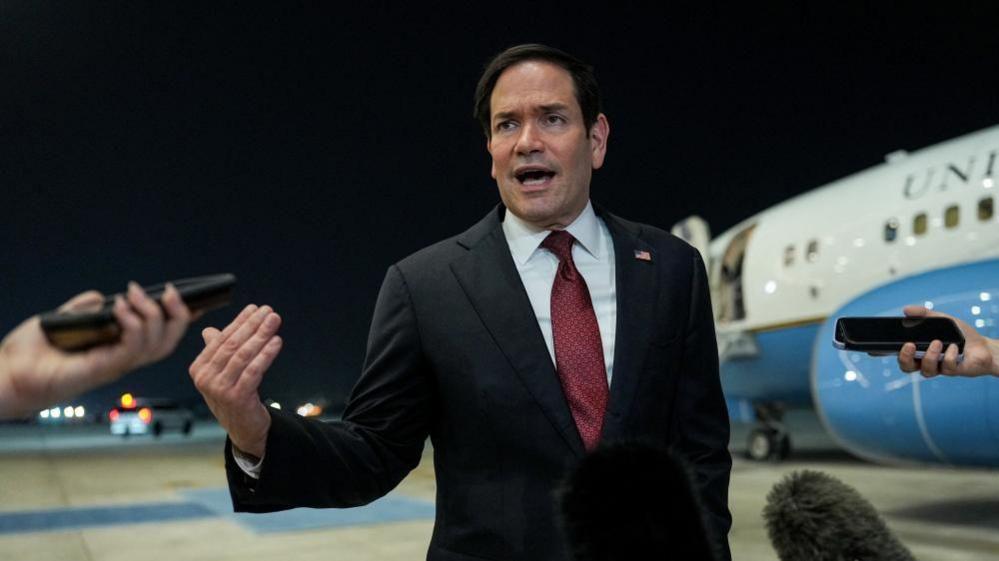
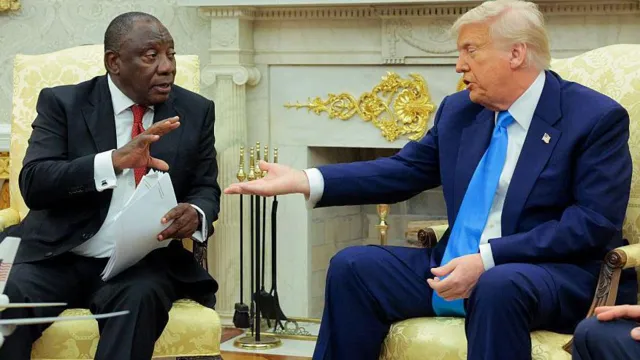
Lebanese officials have appealed to the United States to pressure Israel to halt its violations and protect civilian life. U.S. Secretary of State Marco Rubio urged Lebanese ministers to persuade Hezbollah to stop attacks on Israel in return for Israel’s restraint in Beirut, hoping to create room for gradual de‑escalation.
Since the conflict began in March, the Lebanese health ministry reports over 3,300 deaths, while Israel has recorded 24 soldiers and four civilians killed over the same period. The two sides continue to clash around the border, with both governments maintaining hard‑line stances.