In brief
The 2026 SBC annual meeting in Orlando revisits the controversial proposal to excise churches with women in pastoral roles, alongside resolutions on immigration, antisemitic violence, and the convention’s long‑standing support for President Trump. The debate underscores the denomination’s shifting membership trends and influential role in evangelical politics.
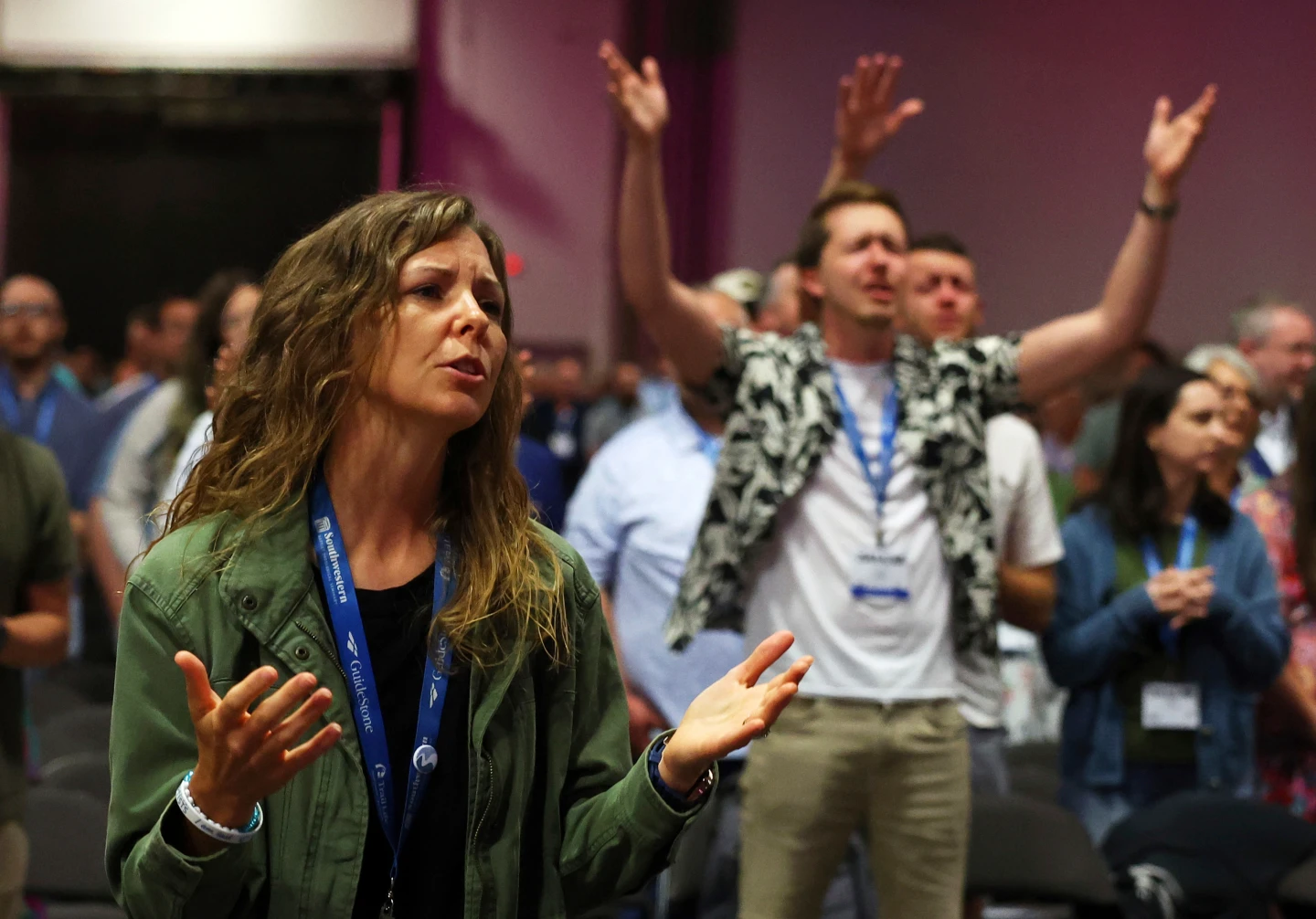
When the Southern Baptists convene for their annual meeting in Florida, they will debate for the fourth year in a row whether to formally ban churches that have a woman serving in any pastoral role. The debate has drawn anger from supporters and critics alike, as the denomination’s reach across the United States grows.
One thing they are unlikely to debate is the politics of many Southern Baptists, the vanguard of broader white evangelical support for President Donald Trump. Around 11,000 church representatives are set to attend the two‑day meeting in Orlando.
Revisiting a Ban on Churches with Women Pastors
In the previous three annual meetings, a majority of representatives voted to amend the SBC constitution to prohibit churches that have women in any pastoral role. However, the measures failed to garner the two‑thirds supermajority required to pass a constitutional amendment.
The Baptist Faith and Message—though nonbinding on churches—proclaims that the office of pastor is limited to men. This has led to expulsions of churches that place women in leading pastoral positions. The current focus is on churches that have women in subordinate pastoral roles.
Mohler, president of The Southern Baptist Theological Seminary, argues that the debate has consumed too much time and attention. “Clarity in the constitution would settle that,” he says.
Outspoken resolutions will be considered. A simple majority resolution will require only a majority vote, while an expulsion policy retains any church deemed not to be in “friendly cooperation.” Recent expulsions included churches that appointed women to top pastoral positions or asserted the right to do so. The status of churches with female assistant pastors remains contested.
Array of Issues Queued Up for Debate
Moving beyond pastoral questions, the convention will consider resolutions on humane treatment of immigrants, anti‑antifa rhetoric, and affirmations regarding Jewish evangelization. The anti‑antisemitic resolution acknowledges the tragedies in Israel and calls for a renewed emphasis on conversion to Christianity among Jews.
In 1996 an SBC resolution urged the evangelization of Jews, prompting a backlash from Jewish leaders who viewed it as a setback to interfaith relations.
Baptists’ Long Ties to Conservative Politics
The SBC remains a core part of the white evangelical constituency that has coalesced around Trump. Southern Baptists praise Trump’s policies that recognize only two biologically determined genders but worry over his administration’s moderation on abortion. Most Baptist leaders defend his war against Iran and quickly moved away from a controversial social media meme depicting him as a healing savior.
Mohler summarized their stance: “Evangelicals are broadly appalled at Trump’s controversial meme, but overwhelmingly support him as president.” Robert Jeffress, the senior pastor of the First Baptist Church in Dallas, said he appreciated the president’s willingness to remove the meme after backlash. He also defended Trump’s Religious Liberty Commission and his decision to wage war against Iran.
Similarly, senior pastor Dwight McKissic of Cornerstone Baptist Church in Arlington, Texas, condemned fellow Southern Baptist leaders for their political bias and gender focus. He posted on X that the SBC and its theologians have historically misjudged issues from slavery to the treatment of sexual‑abuse survivors. He added, “They expect us to blindly trust them on gender theology and women in ministry issues?”
The annual meeting serves as a bellwether for religious and political trends among evangelicals, as membership declines while baptisms rise – a statistical indicator that they hope can signal conversion but falls short of reversing overall membership decline.
Associated Press religion coverage receives support through the AP’s collaboration with The Conversation US, with funding from Lilly Endowment Inc. The AP is solely responsible for this content.
}