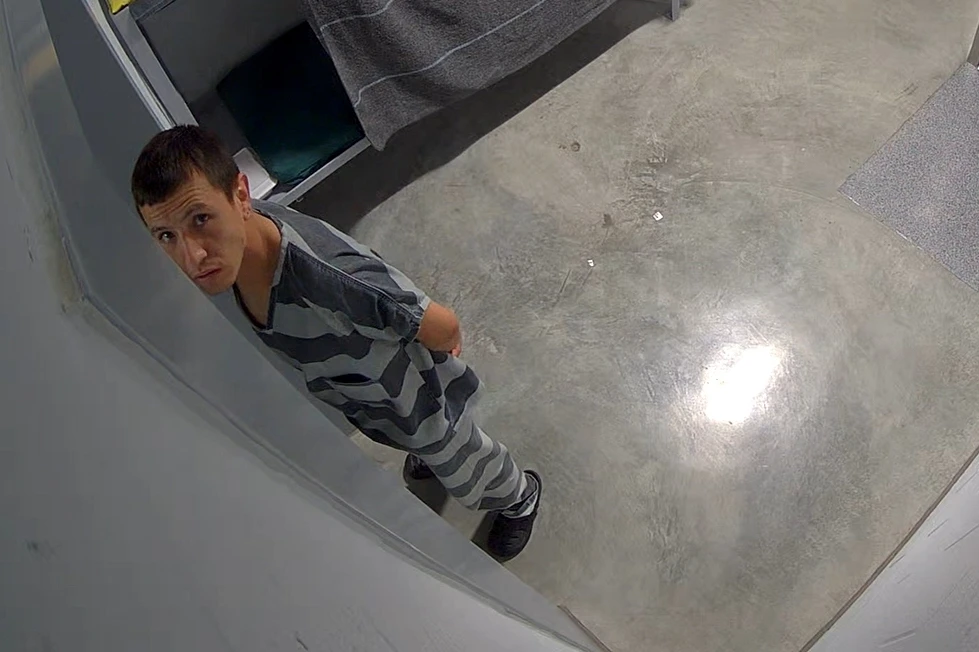
Intensive care nurses in Minneapolis have expressed skepticism towards the explanation given by federal immigration officers concerning the injuries suffered by Alberto Castañeda Mondragón. Following his arrest, he arrived at the Hennepin County Medical Center with severe facial and skull injuries, reportedly claiming he was 'dragged and mistreated' by ICE agents.
ICE initially asserted that Castañeda Mondragón attempted to escape by running headfirst into a wall, a narrative that medical staff members deemed implausible given the extent of his injuries. A CT scan revealed at least eight skull fractures alongside life-threatening brain hemorrhages.
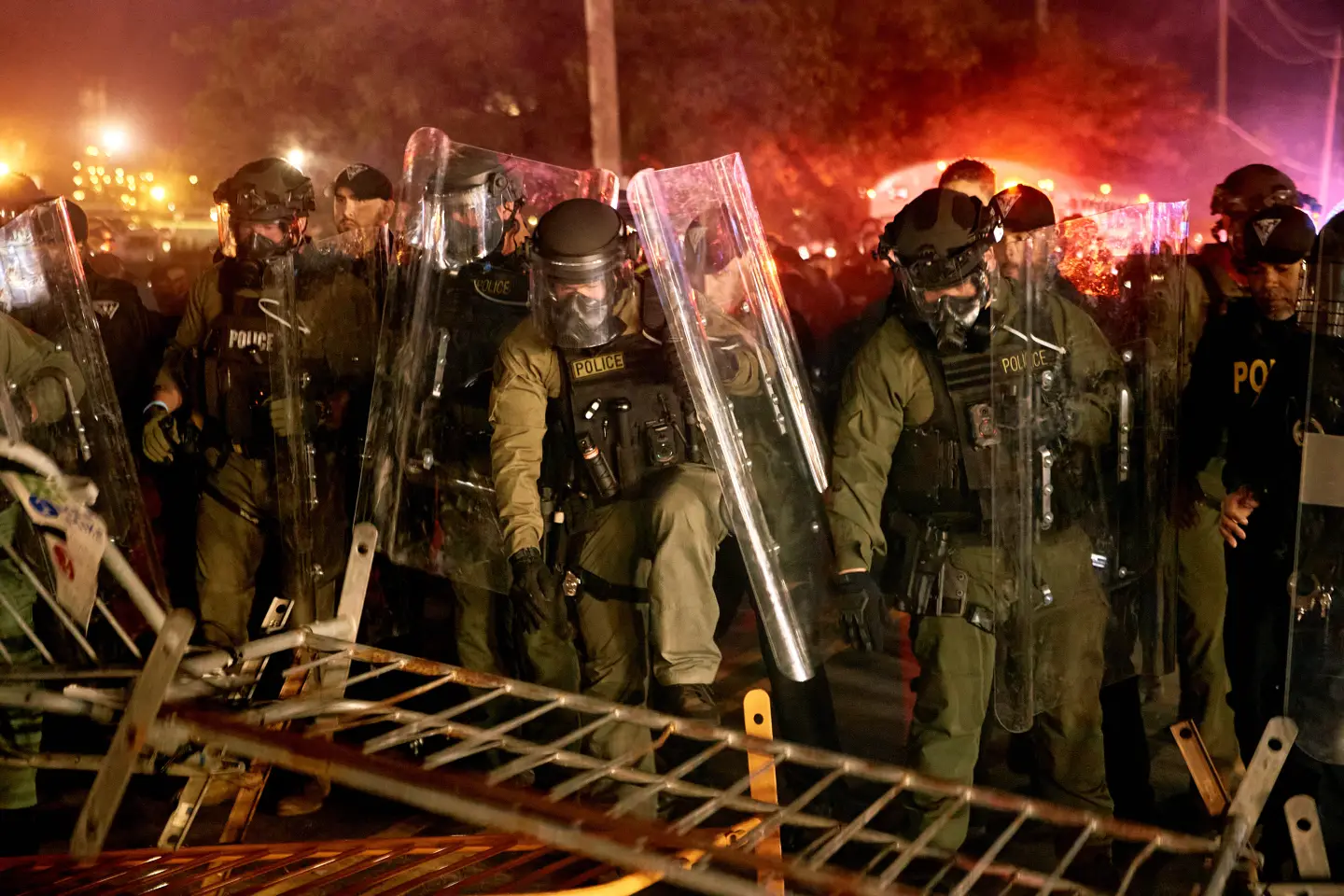
The case exemplifies growing tension between healthcare workers and federal immigration officials in the wake of increased enforcement operations. Staff have reported feeling intimidated, and new hospital protocols have been implemented to guide interactions with ICE officers, particularly regarding patient care and privacy.
In a notable incident, ICE insisted on restraining Castañeda Mondragón to the hospital bed, prompting a confrontation with hospital staff who sought to prioritize the patient's medical needs. The situation highlights the complexities and challenges faced by healthcare providers operating under the shadow of aggressive immigration enforcement, with concerns over patient safety and rights at the forefront.
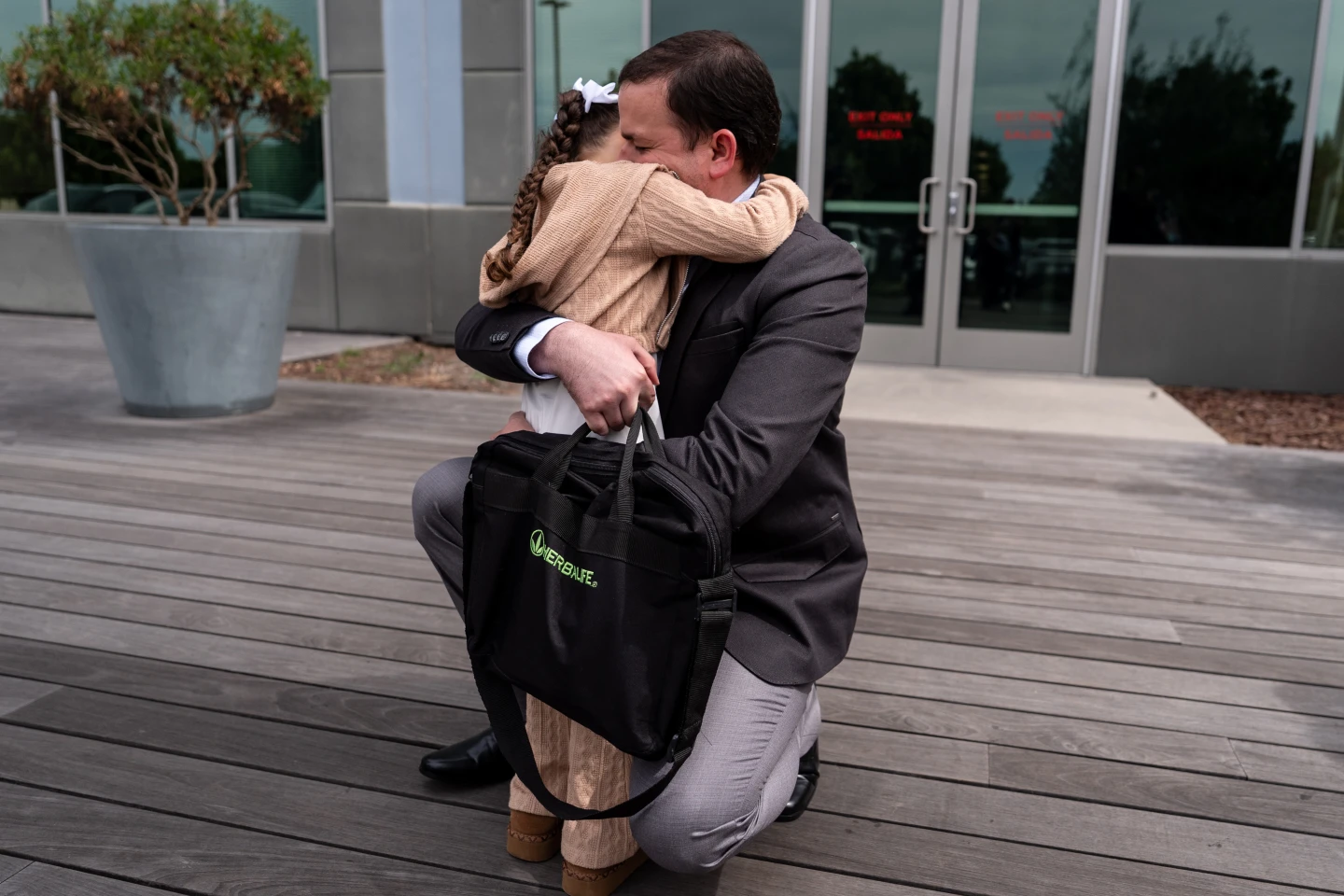
Following a court ruling that ordered his release from ICE custody, Castañeda Mondragón has been discharged from the hospital but faces a long recovery and significant memory loss from his ordeal.
ICE initially asserted that Castañeda Mondragón attempted to escape by running headfirst into a wall, a narrative that medical staff members deemed implausible given the extent of his injuries. A CT scan revealed at least eight skull fractures alongside life-threatening brain hemorrhages.
The case exemplifies growing tension between healthcare workers and federal immigration officials in the wake of increased enforcement operations. Staff have reported feeling intimidated, and new hospital protocols have been implemented to guide interactions with ICE officers, particularly regarding patient care and privacy.
In a notable incident, ICE insisted on restraining Castañeda Mondragón to the hospital bed, prompting a confrontation with hospital staff who sought to prioritize the patient's medical needs. The situation highlights the complexities and challenges faced by healthcare providers operating under the shadow of aggressive immigration enforcement, with concerns over patient safety and rights at the forefront.
Following a court ruling that ordered his release from ICE custody, Castañeda Mondragón has been discharged from the hospital but faces a long recovery and significant memory loss from his ordeal.