In brief
Ederson Galicia Alva, a Miami‑area student, endured a first forced separation from his mother in 2018 under the Trump administration’s zero‑tolerance policy, a second in 2023 during a renewed anti‑immigration push, and a later detainment that sent him and his sister to Guatemala. Despite a 2023 settlement that barred further separations and provided limited legal protections to families, federal agents, under the current administration, again re‑separated them and deported adults. The story reflects broader systemic failures and the continued risk to thousands of families who still face breaches of court orders and lack of legal aid.
Eleven‑year‑old Ederson Galicia Alva stepped off a commercial flight at Miami’s airport and was immediately pulled by federal agents for questioning. The fear in his chest went back to the first time he was separated from his mother, the toll of that trauma deepening with each new detainment.
In 2018, the then‑Trump administration’s zero‑tolerance policy forced Ederson away from his mother, Mirsy Maricela Alva López, to a government shelter in Arizona for nearly four months. A court settlement in 2023, following an ACLU class‑action lawsuit, barred the government from separating the majority of families at the border and required the return of already separated ones. Yet in June of last year Ederson and his mother were separated again—this time in Florida—once the government began a mass deportation program that was supposed to honor that settlement.
After the second removal, Ederson joined his mother in Guatemala, where they endured three harsh months in the highlands before a federal judge’s order allowed them to return to Florida. It was an uneasy homecoming: the same immigration officials re‑checked the family’s documents and handed them humanitarian parole for only two weeks, resuming the cycle of uncertainty.
Separated at the Border, then Again in Florida
When the family’s legal battle ended, Ederson’s mother gained a work permit and a legal path toward permanent status, while Ederson’s therapist reported significant progress in September of last year. But two weeks later federal agents seized his mother on a landscaping job in West Palm Beach, transferring her to jails in Florida and Louisiana, then boarding a plane to Guatemala City. They also separated Ederson and his older sister, Briseidy, for a week before reunification efforts began at the airport.
The family’s stay in Guatemala was difficult. They lived in an adobe home far from Ederson’s school in the highlands, with no English speakers. The children were thrust into a new culture, had to learn Spanish in an English‑only school, and missed their friendships back in Miami. Back in the U.S., Ederson said he’d never wanted to be apart from his mother again.
‘Lasting, Excruciating Harm’
The policy that began in late 2017, championed by then‑policy adviser Stephen Miller, violated families’ rights and caused severe trauma. ACLU attorney Wayne L.’s lawsuit, Ms. L v. U.S., brought a judge’s order that effectively discontinued the practice, acknowledging the “lasting, excruciating harm” inflicted on families.
Under the 2023 settlement, class members—including Ederson’s group—received legal protection, access to attorneys, work permits, and counseling. Despite these safeguards, federal agents in 2023 and 2024 found re‑separations and deportations of protected members. Emails from ACLU attorneys to the Department of Justice showed officials had neglected to notify the ACLU within 24 hours of detainment—an explicit breach of court orders.
A Place Where We Can All Be Safe
Other families like Sinri Baltazar, who was from Honduras and returned to Louisiana in 2021 after a legal settlement, remain in limbo. Many fear filling out necessary paperwork because of the threat of deportation and the possibility of being denied asylum—something the settlement allowed them to claim up to December 2031. Legal aid contracts ending in August exacerbate the fear, leaving families scrambling to cancel removal orders by the end of the year.
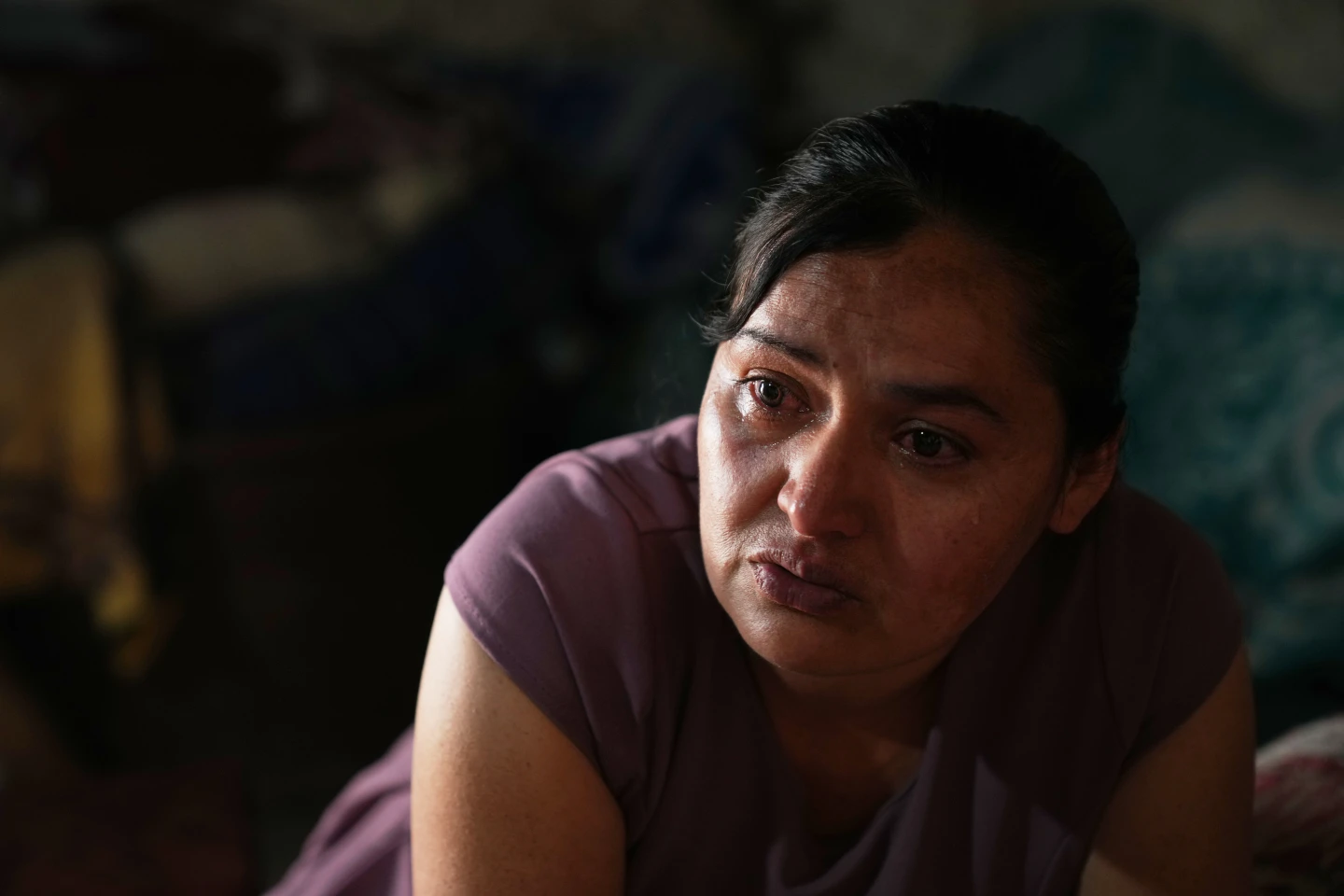
Ederson’s mother, now in Florida again, has a two‑week parole and is worried her children will become scared that they could be taken again. Meanwhile, Ederson remains quiet about the separations, determined that he will never experience that trauma a second time.
These stories underscore the broader failure of a system that violates agreed court orders and perpetuates terror for immigrant families, even after months of legal protection.
}