In brief
Brayan Rayo Garzon, a 26‑year‑old Colombian veteran, died by suicide on his fourth day in a Missouri ICE custody facility after being denied timely mental‑health treatment and isolated due to COVID‑19 protocols. His case is part of a spike of 10 suicides among ICE detainees in 2025, far above historical norms. An AP investigation found that 9 of the deaths involved isolated, poorly monitored detainees and documented at least 49 violations of ICE standards in a federally‑run camp. Experts say the suicide surge reflects failures in screening, treatment delays, and inadequate oversight, especially at facilities run by private contractors. ICE officials maintain such deaths are “extremely rare” and assert that staff provides comprehensive care, but the investigation suggests systemic shortcomings that demand urgent reform.
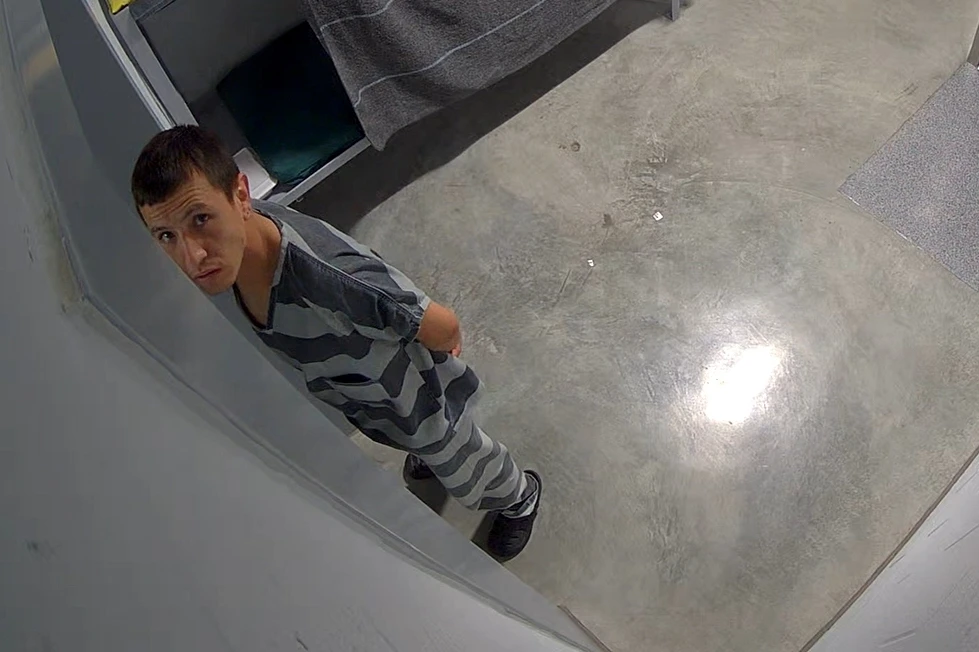
[ "Brayan Rayo Garzon was distraught. Detained by Immigration and Customs Enforcement (ICE), he had been in isolation for four days in a Missouri jail when he began to suffer from fevers and chills as a result of a COVID‑19 infection.Rayo’s plea for mental‑health support was delayed, according to records, and the jail staff barred him from making a nightly call to his mother—an effort intended to curb the spread of illness.In handwritten Spanish notes he begged the guard to allow him to talk to his mother, writing, I feel in my heart that she’s very worried about me…The guard collected the note, walked away, and an hour later found Rayo unconscious in his cell. An autopsy determined he had killed himself.Rayo’s April 2025 death is the first suicide in a spike that has alarmed public‑health experts and jail authorities. It signals a failure of the detention system to properly oversee the tens of thousands of immigrants swept up under the Trump administration’s aggressive deportation strategy.An AP investigation found that at least ten male detainees died by suicide since January 2025, a fraction higher than the growth in the detainee population. Since October, seven fatalities have been classified as suicides, the most in any single fiscal year in ICE history. ICE normally records one or zero suicides annually.The men were mostly Hispanic, with ages averaging 32. Seven of the ten had no prior U.S. criminal record, while a Chinese citizen was the ninth victim. The suicides account for nearly 20% of the 51 deaths in ICE custody that year, most of which were of natural causes that experts say could have been prevented with timely medical care.“Something is going profoundly wrong from any kind of public‑health or mental‑health perspective,” said Dr. Sanjay Basu, an epidemiologist at UCSF who co‑authored a study documenting the rise in mortality and suicide among ICE detainees.ICE is defended by officials. The acting DHS assistant secretary Lauren Bies said suicide deaths remain “extremely rare.” She asserted that staff follows protocols to protect at‑risk detainees and that ICE requires annual suicide‑prevention training. Detainees receive comprehensive healthcare, including mental‑health services.The investigation revealed systematic violations of ICE detention standards. Staff at several facilities ignored distress signals, delayed mental‑health treatment, and failed to monitor detainees that had been deemed at risk. Some facilities allowed detainees access to materials that could be used for self‑harm. Others isolated distressed detainees—a practice linked to worsening emotional states.At least three of the nine facilities where suicides occurred failed to meet screening standards for medical, dental and mental‑health conditions, ICE inspection reports indicate.Former New York City jail chief medical officer Dr. Homer Venters described the rise in suicides as terrifying, noting that failures stem from inadequate screening, poor monitoring and insufficient response to red‑flags.Case examples illustrate the trend. A 19‑year‑old Mexican migrant, a 36‑year‑old Nicaraguan restaurant worker, a 45‑year‑old repeated border‑crosser, and Rayo—who was a Colombian military veteran—each died by suicide, often after being isolated or denied timely care.Rayo’s death is tied to a January 2025 arrest for using a stolen credit card during a vape‑shop visit, which ICE then transferred him to the Phelps County Jail in Rolla, Missouri. The jail had begun taking ICE detainees a month before his arrival. He began with a 35‑hour delay on his initial medical screening.The jail did not speak Spanish; a nurse used a handheld translator, concluding Rayo denied thoughts of suicide and requested mental‑health care. The doctor scheduled but later canceled the appointment—first citing clinic staffing, then COVID‑infection. The delay violated ICE's requirement for mental‑health treatment within a week of referral.When Rayo grew sicker—fever, chills, nausea—the jail placed him in a cinderblock isolation cell with a camera, preventing him from calling his mother. He left two notes pleading for a phone call, which were translated by a guard who promised a follow‑up. Within an hour, he was found unconscious.Emergency responders transported Rayo to a hospital, where the doctor informed his mother that her son had died.ICE’s inspections found 49 violations at what is now the largest detention facility, having housed 2012 female detainees on the year of a federal election. Therapists identified self‑harm tools left unsecured, and several detainees had attempted suicide.In some facilities, staff closed in on distressed detainees. In Nebraska, a 34‑year‑old who repeatedly entered illegally from Mexico had a mental‑health crisis last September, but the staff delayed assistance in isolation.In Pennsylvania, a 23‑year‑old Chinese man with a prior fraud plea had no mental‑health care for five days because no one spoke Mandarin; he was found hanged.In Texas, a 36‑year‑old with a history of harassment at a camp died in a medical holding room after isolation. Following his death, investigators noted that ICE had replaced the contractor.ICE’s own data shows that detention facilities covered by private contractors (CoreCivic, GEO Group) and county jails have seen an increased suicide rate during the Trump era. These managers claim staff are trained in suicide prevention, but many reports expose lapses.The spike in suicides at ICE centres serves as a stark warning: screening, monitoring, and timely mental‑health treatment are not only lacking in practice—they are absent in principle, thereby increasing the risk of preventable deaths.This investigation underscores the pressing need for a systemic overhaul of ICE detention practices, with a focus on robust mental‑health screening, elimination of isolation abuses, and stringent enforcement of established standards." ]