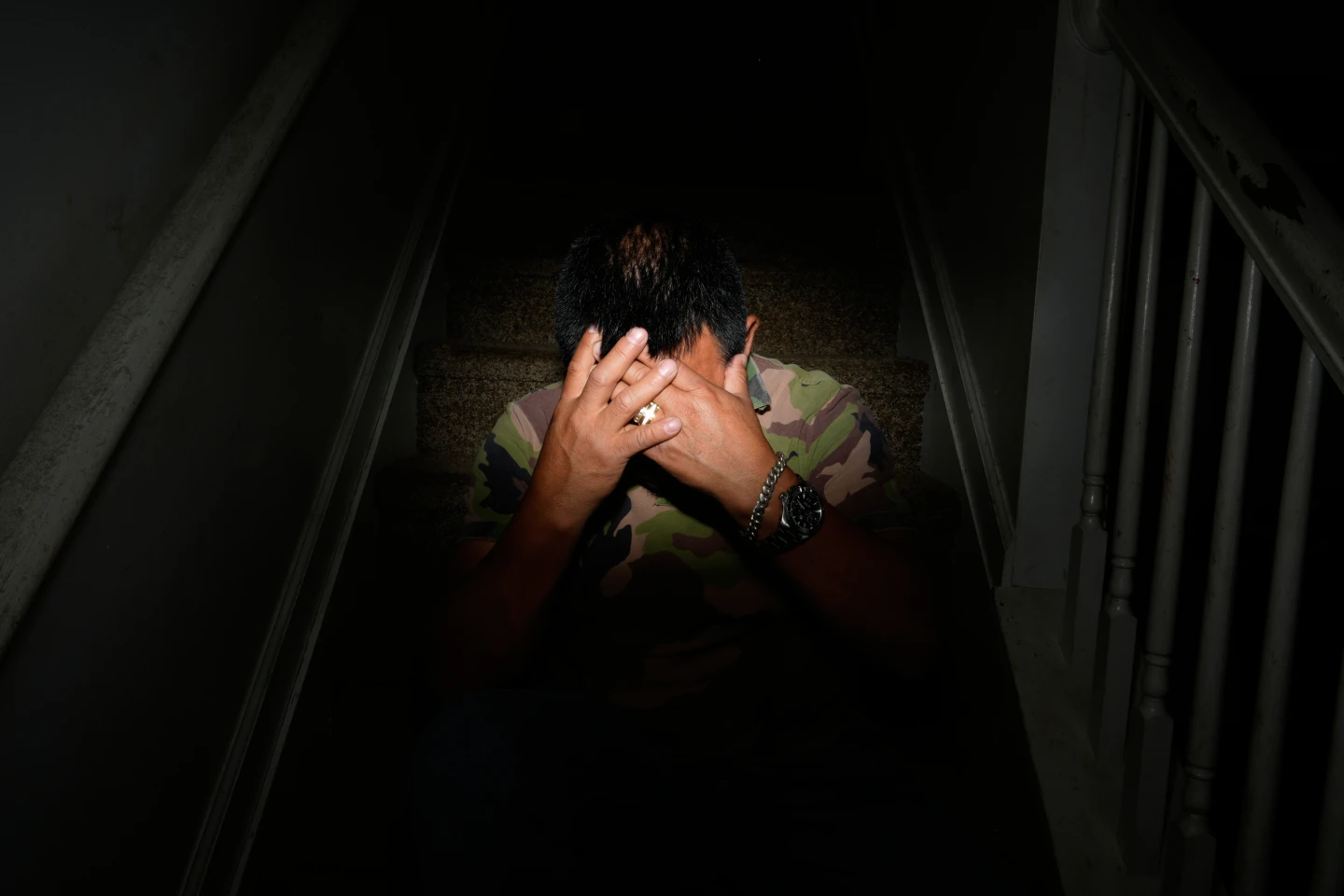
Albanian man’s pain grew so unbearable he pulled out his own tooth while languishing in a New Mexico detention center for months. A Honduran mother of two was hospitalized with a heart problem after she was denied blood pressure medication during a stay in Florida.
A Venezuelan settler’s leg turned purple and swelled with flesh‑eating bacteria when staff at a Vermont facility failed to bring him to a scheduled doctor’s appointment.
These stories are not isolated. Hundreds of detainees across at least 33 states claim in federal lawsuits that immigration centers have failed to provide adequate medical care. They report receiving medications late, not at all, or being denied basic treatments such as blood pressure, diabetes, depression, epilepsy, Parkinson’s, and HIV care. In some cases, cancer remains untreated. Those waiting for care often collapsed, had seizures, or endured infections that festered, according to the investigation by KFF Health News and AP.
Federal court filings from the Trump second administration reveal over 70,000 immigrants were being detained by ICE as of mid‑January 2026, up from about 40,000 a year earlier. That surge has amplified the pressure on the already strained detention system, which historically has struggled to meet basic medical needs.
More than 300 medical neglect claims were identified, in addition to the many thousands of other habeas corpus petitions filed against ICE. Those petitions often address the legality of detention, but several highlight reviewers that courts have, by default, ignored the complaints of patients suffering from untreated illnesses.
The investigation’s facts stem from court records, which are often hidden by federal secrecy rules, and from interviews with over 50 detainees, family members, and lawyers. In one case, a 48‑year‑old Venezuelan described how his bone‑rubbing leg swelled to a purple black mass after a missed appointment. He says the staff’s reaction was disbelief and no action was taken.
Medical staff have repeatedly failed to provide rapid response to requests for care. In Georgia’s Stewart Detention Center, a father of six was seriously injured in transportation when the vehicle struck a metal armrest while he was shacked. His wound became infected because he had to sleep on a dirty concrete floor amid leaking toilets. An apology from the private prison company CoreCivic indicated no records matching the injury were found, but the man was released in October and uncertain if he can resume construction work due to the injury.
Other detainees report basic care being denied: gauze for an open foot wound, prenatal care for a high‑risk pregnancy, a pillow to ease pain from advanced stomach cancer, or sanitary pads for postpartum bleeding. Some have had hidden conditions overlooked—such as severe glaucoma or the need for regular eye drops—which left them with only a little forward vision, fearing they would become completely blind.
One lawyer explains: If one is unable to see due to the loss of glasses when detained, that should be fixed, noting that federal judges counsel that detainees should receive the same healthcare that would be provided to those in a traditional criminal jail awaiting trial. Yet, varying standards across facilities and administrators’ discretion result in widespread neglect.
Detention centers rapidly shift detainees across the country, often without warning, disrupting treatment plans. A woman from El Salvador missed a week of HIV medication when she was transferred from Colorado to a county jail in Wyoming. A Russian man sought a gastroenterologist in Texas, but his appointment was never filled because he was moved to another center.
Legal advocates argue mandatory detention leaves detainees trapped with serious, expensive conditions. In fiscal year 2023, ICE spent more than $390 million on healthcare for detained noncitizens. While the agency claims it provides timely care, review of court filings suggests otherwise: a Romanian citizen required 16 daily medications after heart surgery but faced two‑day gaps presented at a field office and a follow‑up facility. He was hospitalized three times for chest pain without full medication compliance. In August, he suffered a stroke while on a video call with his daughter, prompting emergency intervention that could have saved him.
Families also experience the despair of watching loved ones deteriorate. Riya Khan observed her mother’s health decline after eight days in a CoreCivic‑owned facility where she did not receive medications for high blood pressure, hypothyroidism, or prediabetes. Her son’s pleas for medicine turned into lectures on the lack of compliance. Similarly, Masuma Khan from Bangladesh had her asthma medication and eye drops delayed, convincing her she might not survive the year, and now fears returning to a country she left to escape persecution.
Despite the crisis, the Office of the Immigration Detention Ombudsman was shut down last year due to lack of funding, eliminating a key avenue for detainees to file complaints or receive help. As a result, many must rely on lawsuits to demand care.
Officials at ICE have offered inconsistent comments. The acting chief medical officer, Sean Conley, previously stated in 2026 that aliens receive “timely and appropriate medical care” upon entering ICE custody and that DHS recruits healthcare professionals to maintain high standards. However, the Department of Homeland Security reported 51 deaths in ICE custody that year, with suicides spiking to unprecedented numbers.
While private prison managers claim to follow ICE standards and give detainees health care when needed, they sometimes were unaware of particular allegations or blamed the detainees themselves for lapses. For example, CoreCivic’s spokesman admitted no evidence of the claim that a man’s left leg injury was mismanaged at Stewart.
Some judges accept arguments that medical neglect is not a direct ground for release, preferring to dismiss claims that do not directly address the legal holding. That pushes detainees to rely on legal means, such as habeas corpus petitions, to seek relief. About 40,000 habeas petitions have emerged since the Trump administration; many are granted not for medical neglect but for reasons like being held too long before deportation.
The investigation, published by AP and KFF Health News, demonstrates that medical neglect in ICE detention is widespread, deeply affecting detainees’ physical and mental health. The findings highlight an urgent need for systemic reform, consistent standards, and robust oversight to ensure every person in ICE custody receives the timely care they require.
}