A sharp increase in human activity is changing the way a Himalayan bird lives and talks, according to two studies by researchers in Uttarakhand that ran over five years.
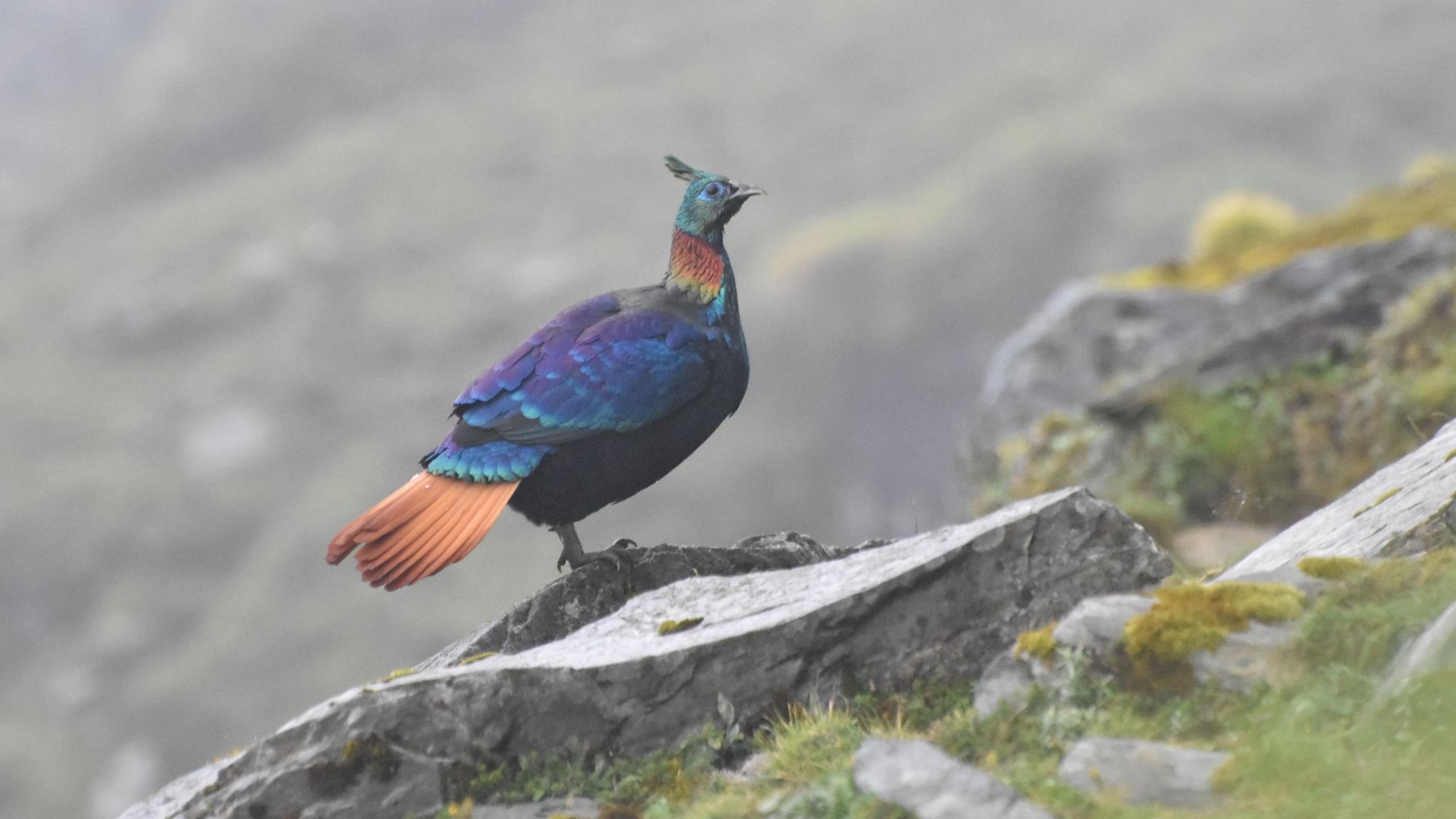
The monal, a pheasant with a spectacular green, blue and copper plumage, is woven into the folklore and identity of the Himalayan region. In India it is the state bird of Uttarakhand and in Nepal the national bird.

The first study found that the birds are being pushed higher into the mountains as their alpine meadow homes become crowded by tourism infrastructure. Climatic warming is also shrinking suitable habitat, forcing the monal up the slopes where vegetation is newly available.
In the second study, scientists recorded more than 700 calls of the monal in the bustling Chopta tourist valley and the quieter Madmaheshwar valley. They discovered that in noisy environments the birds answered with calls that had higher peak frequencies and shorter durations, essentially tuning their voice to erase the rumble of human traffic.
Dr Rajeev Lochan, the lead researcher, notes that this behavioral flexibility shows how the species is reacting, though it may not represent a permanent evolutionary change. If more sensitive species are also forced to adjust, the ecological balance could be upset.
The studies underline the fractures in a fragile Himalayan ecosystem that climate change and human pressure are puncturing. Conservationist Anjal Prakash warns that “the Himalaya is asking for space, silence and care.” The monal’s changing song could be an early warning bell for the region’s biodiversity.