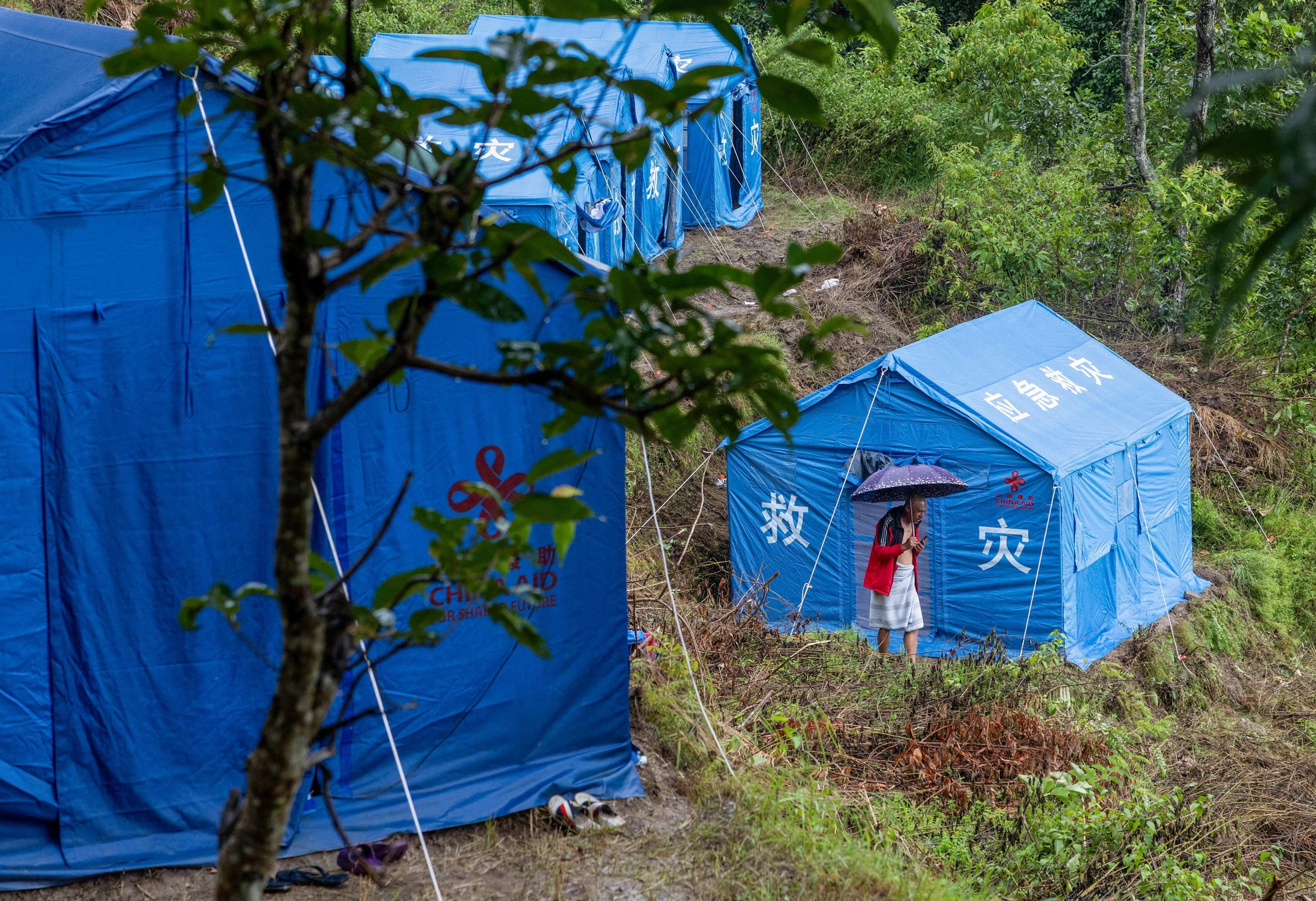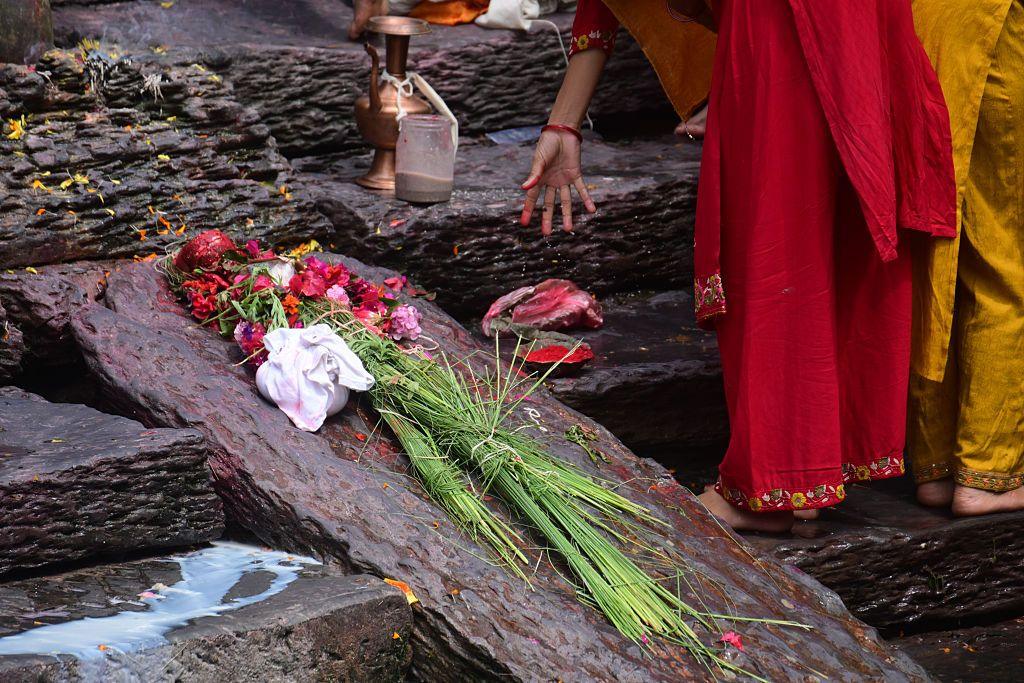
The sudden, deadly flood that swept the China‑border region last month left more than 5,000 people unaccounted for. Families that have lost relatives only receive symbolic funerals with sacred grass effigies because their bodies have not been found.
In Nepal a missing person can be deemed dead only after twelve years unless a special exception is granted. That delay means no death certificates, no access to compensation or a transfer of property, and an administrative paralysis that stalls recovery for families who need to rebuild.
The government has said it will review the law, but local officials are still unable to issue certificates. In the meantime the Prime Minister has urged the federal government to avert further legal liabilities and to provide immediate relief to victims.
Families speaking to reporters say they have recovered little money for funeral costs or for rebuilding homes. The flood was so massive that entire villages were swallowed, and the scale of damage far exceeds the small amounts available in the current compensation scheme.
The Prime Minister recently asked the UN to consider grants instead of loans for national reconstruction, citing a large reconstruction bill that could reach several billion dollars. At the time of writing, the flood’s impact is still unfolding, and the legal status of missing persons remains a pressing concern for Nepalis who have lost loved ones without closure.