In brief
President Donald Trump signed an executive order rescinding endangered species protection for the grey wolf and the Mexican wolf, potentially giving ranchers tools to curb wolf predation on livestock. The move, framed as a boost to the livestock industry, has drawn sharp criticism from conservation groups. While the wolf populations have seen some recovery—319 Mexican wolves in 2025 versus four in 1998—the long‑term security of these animals remains uncertain. Legal challenges and environmental concerns also loom. The decision remains a flashpoint between agricultural interests and wildlife protection efforts.
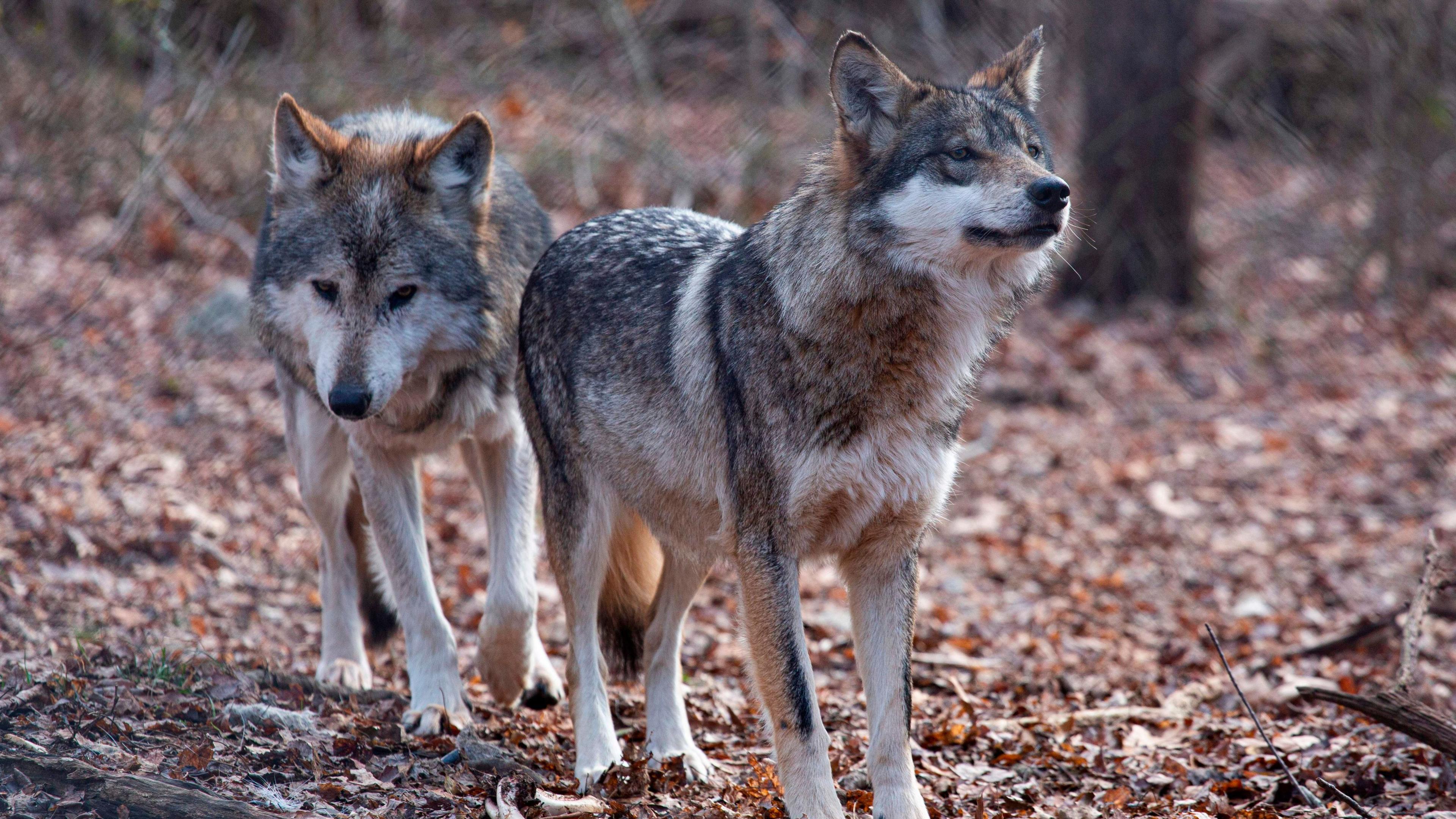
Donald Trump has signed an executive order to remove endangered species protection for the grey wolf and a subspecies, the Mexican wolf. The US president’s decision could pave the way for pastoral farmers to kill the canines to protect their livestock. His order said ranchers played a "vital role" in the food supply chain and American cultural heritage.
Conservation groups have criticised the move, saying it could derail long‑term efforts to recover endangered wolf populations. While there were 319 Mexican wolves in the wild in the US in 2025, the grey wolf population stands at roughly 18,000 across the US but remains endangered due to habitat loss.
The order does not grant ranchers immediate open‑air licences to shoot wolves preying on livestock, but it hands Interior Secretary Doug Burgum 90 days to assess whether the populations have recovered enough to warrant delisting. Ranchers are told that more can be done to support the livestock industry amid a 75‑year low in livestock herd numbers and a 10% rise in beef demand over the past decade.
Environmental groups point to studies showing rare wolf attacks on livestock and minimal economic impact. “This is a huge distraction to placate a handful of ranchers and make them believe that wolves are a greater threat than President Trump's own policies,” said Greta Anderson, deputy director of Western Watersheds Project.
The Wolf Conservation Center notes that ranchers currently receive up to 100% compensation for livestock losses caused by wolves under existing federal and state programmes designed to deter attacks. The executive order risks undermining these safeguards.
“The Mexican grey wolf is not recovered simply because the population has grown,” said Claire Musser, executive director of the Grand Canyon Wolf Recovery Project. Weakening federal protections now would put decades of recovery work at risk.
The Trump administration is also battling record‑high beef prices driven by drought and a parasite outbreak in US beef stocks, and has loosened restrictions on beef imports to address price rises, further pressuring ranchers’ margins.
Historically, the US government launched campaigns to systematically exterminate wolves toward the end of the 19th Century, a practice that pushed them to the brink of eradication. Ranchers still see wolves as nuisances, and lethal control remains a federal crime.
Related queries: Drought, Parasitic outbreak in beef.