In brief
Yvette Lyles and her family, who moved to Cahokia Heights seeking a new beginning, are now battling frequent floods that expose them to untreated sewage. The community, which grapples with poverty and racial inequities, is facing systemic issues exacerbated by infrastructure neglect and reduced federal support. Advocates highlight the urgent need for investment in wastewater systems to protect the health and dignity of residents, many of whom live in areas with inadequate plumbing.
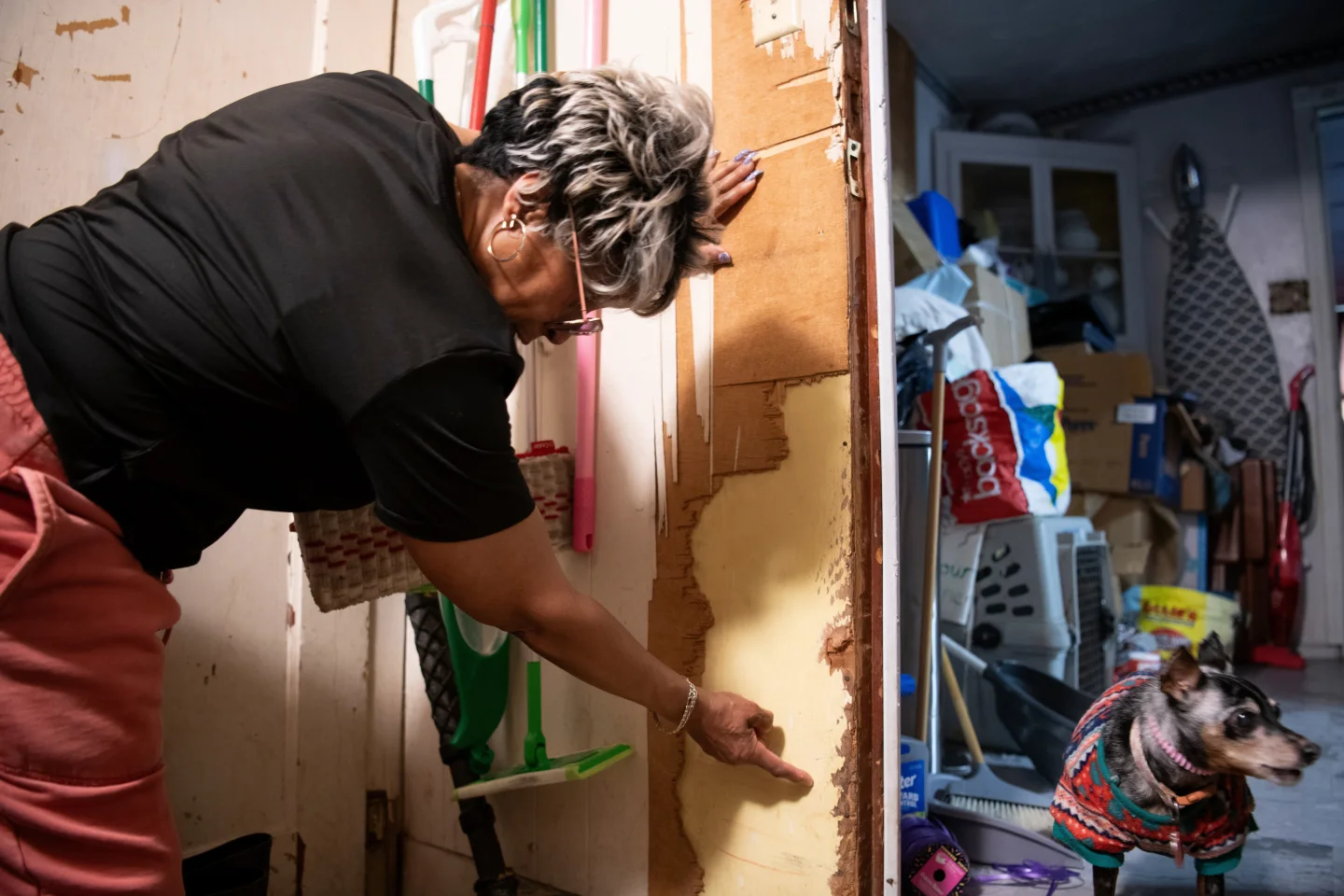
CAHOKIA HEIGHTS, Ill. — What began as a hopeful move for Yvette Lyles and her family soon turned into a nightmare as they faced the reality of living in a flood-prone area of Cahokia Heights. Nestled close to a state park, the modest brick ranch home she envisioned as a Christmas present now stands as a constant reminder of the threats posed by inadequate sewage systems. Flooding from heavy rains has turned their streets into channels for untreated sewage, leading to health hazards and disrupting their life’s normalcy.Cahokia Heights, a predominantly Black city with approximately one-third of its residents living in poverty, is emblematic of the broader issues plaguing various communities across the nation — aging wastewater systems that fail to protect the public from severe health risks. The devastating impact of these flooding events left Lyles feeling helpless and emotionally crushed as she witnessed her children trapped in a home under siege by sewage.Despite promises made under the Bipartisan Infrastructure Law for repairs and support aimed at mitigating racial and economic disparities, many grants have been blocked or cut under the previous Trump administration. This has led organizations, like the Environmental Justice office of the EPA, to lose crucial funding meant for infrastructure upgrades and protection against environmental hazards, disproportionately affecting already underserved communities.Now, as they contend with overflowing cesspools and deteriorating infrastructure, residents like Patricia Johnson further articulate the dire circumstances they face. Johnson describes how sewage regularly backs up in her home, with incipient health risks lurking due to standing water and rising mosquito populations.Funding and resources for improvements remain elusive as various federal programs undergo scrutiny or cancellation, adding layers of difficulty to securing even basic necessities like proper sanitation systems. While national progress has been made towards infrastructure, advocates stress that many minority communities continue to exist on the periphery of that progress, enduring persistent health issues as a result.Looking ahead, both local leaders and advocates recognize the urgent need for comprehensive investment in wastewater systems to safeguard the health and dignity of Cahokia Heights residents. As they await assistance, there’s a lingering sentiment depicted by Lyles — anxiety over the future and frustration with a system that often overlooks the voices of the most vulnerable.