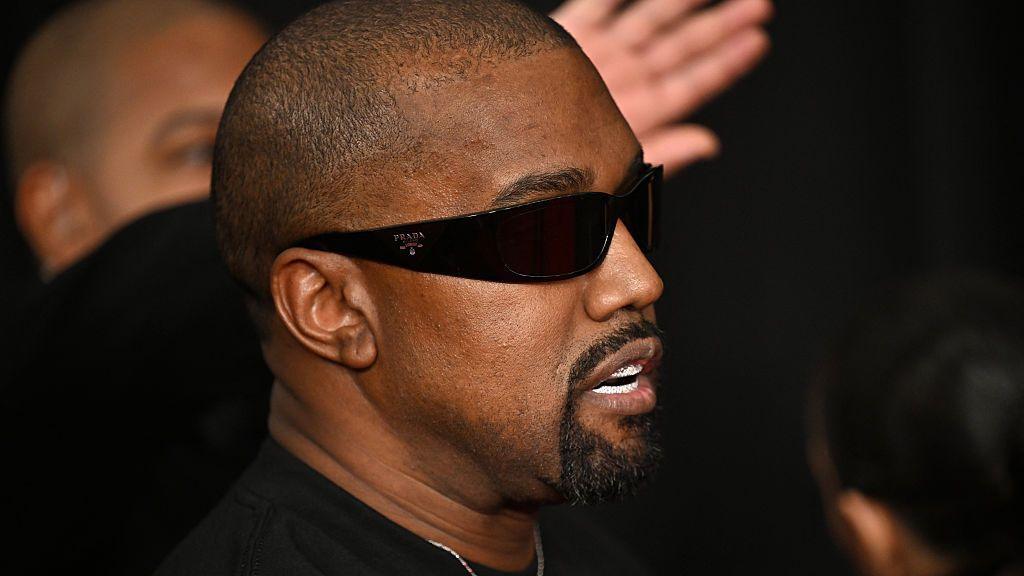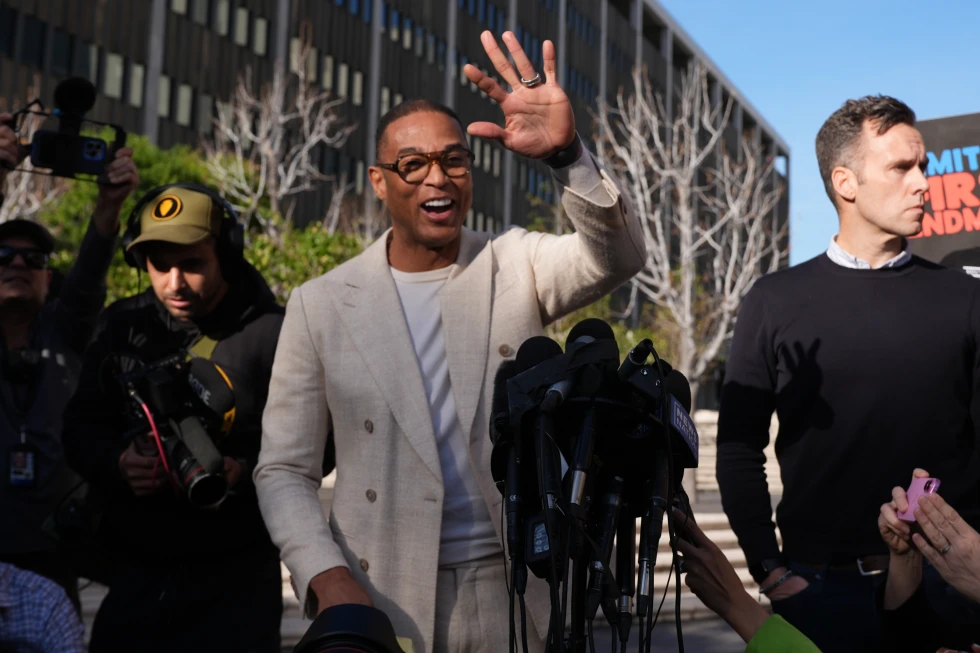
ST. PAUL, Minn. (AP) — Don Lemon, the former CNN host turned independent journalist, is set to face arraignment in federal court in Minnesota, alongside four other defendants accused of disrupting a church service where an Immigration and Customs Enforcement (ICE) official served as pastor.
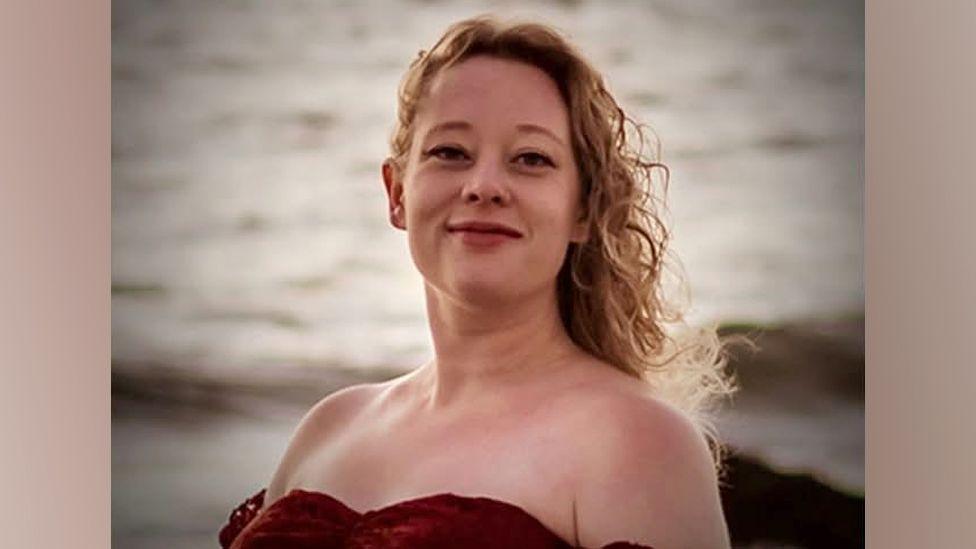
Also scheduled for arraignment is civil rights attorney Nekima Levy Armstrong, whose image was controversially altered in a White House social media post that falsely depicted her as crying during her arrest. The post reflects a wave of misinformation accompanying protests linked to the Trump administration's immigration policies, which have drawn significant backlash following the fatal shootings of two individuals by federal officers in Minneapolis.
The arraignments are expected to address entering pleas and scheduling of future court dates. It remains uncertain whether Lemon will attend in person. His attorney did not return requests for comment prior to the hearing.
This case is part of a broader array of charges against nine individuals involved in the case. Two additional defendants, including independent journalist Georgia Fort, are set to be arraigned next week.
Lemon has previously communicated his intention to plead not guilty to federal civil rights charges stemming from his involvement in the January 18 church protest. During the disruption, attendees chanted messages opposing ICE and calling for justice for Renee Good, a mother fatality in an ICE-related shooting.
Despite his arrest, Lemon emphasized his commitment to journalism, stating, “I have spent my entire career covering the news. I will not stop now... this is a critical time for independent media.” He articulated the broader implications regarding freedom of the press and accountability for those in power.
The protest sparked significant backlash from conservative leaders, prompting White House officials to voice their concerns about the perceived harassment of religious gatherings. However, the situation raises questions about the legality of protests at places of worship, especially within the framework established by the 1994 Freedom of Access to Clinic Entrances Act.
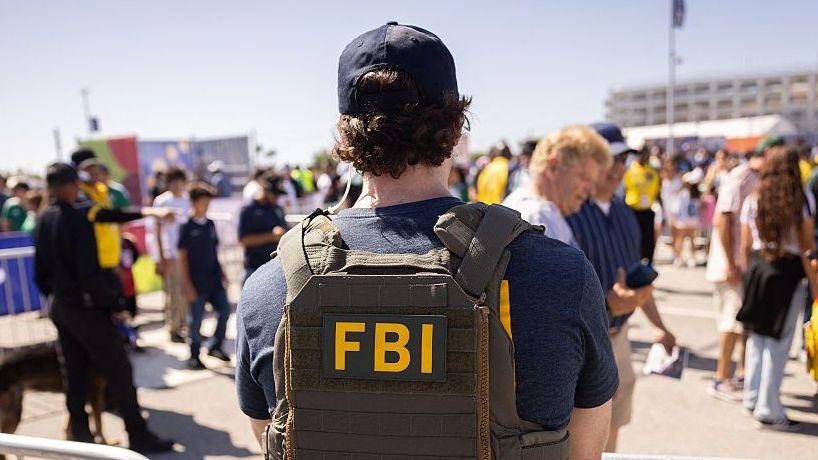
As scrutiny of immigration enforcement intensifies, continuing investigations reveal frustrations from former prosecutors over the administration's handling of immigration policy within Minnesota.