Evan Gershkovich – a 34‑year‑old American journalist who covered the Russian capital for the Wall Street Journal – was seized in Yekaterinburg in 2023 and put on trial for espionage. He claims the encirclement by masked men in a restaurant was a deliberate trap set by Moscow’s security services to use him as a bargaining chip.
In a Radio 4 interview, Gershkovich said the moment he realized he was being set up “frozen in place” as the FSB approached. He argued that no torture or interrogation – common in Russian cases – meant he was a commodity, not a real threat.
A 16‑Year Sentence, 16 Months of Isolation
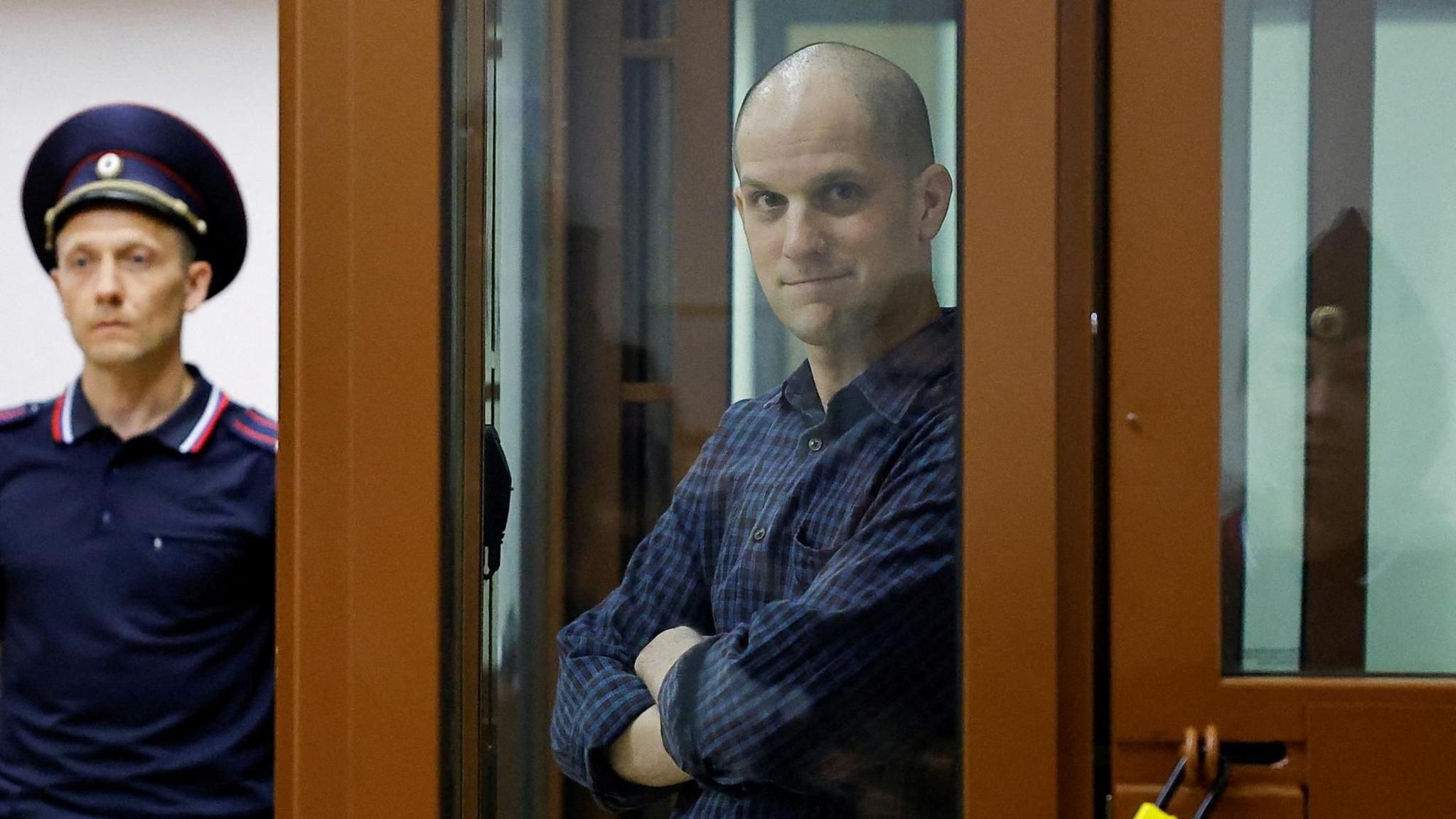
The journalist spent a year and a half in Moscow’s infamous Lefortovo jail, a place that has housed political prisoners since the Stalin era. He described the cell as “really isolating,” yet noted that the guards allowed him to sleep and eat decent food. During his court appearances, he deliberately smiled at cameras, insisting that the global audience see he was “doing ok” and to defy the fabricated narrative.
The High‑Profile Swap
Gershkovich told reporters that, after recognizing his case was “a game of theatre,” he saw the possibility of a swap. In August 2024, he was released when Russian authorities exchanged him for Vadim Krasikov, a convicted assassin serving a life sentence in Germany. The swap drew worldwide media attention, featuring the journalist on Times Square billboards and prompting President Joe Biden to vow to bring him home.
Aftermath and Reflections
Upon release, Gershkovich struggled with panic attacks and fatigue but sought therapy and wrote a book to process his ordeal. He says his Russian upbringing and future prospects are unclear, especially if the political landscape after Vladimir Putin changes.
The case remains a stark reminder of how information wars play out in the 21st‑century, with a foreign correspondent caught between two superpowers and used as a pawn in a larger geopolitical game.