Swiss voters reject stricter neutrality, keeping sanctions power
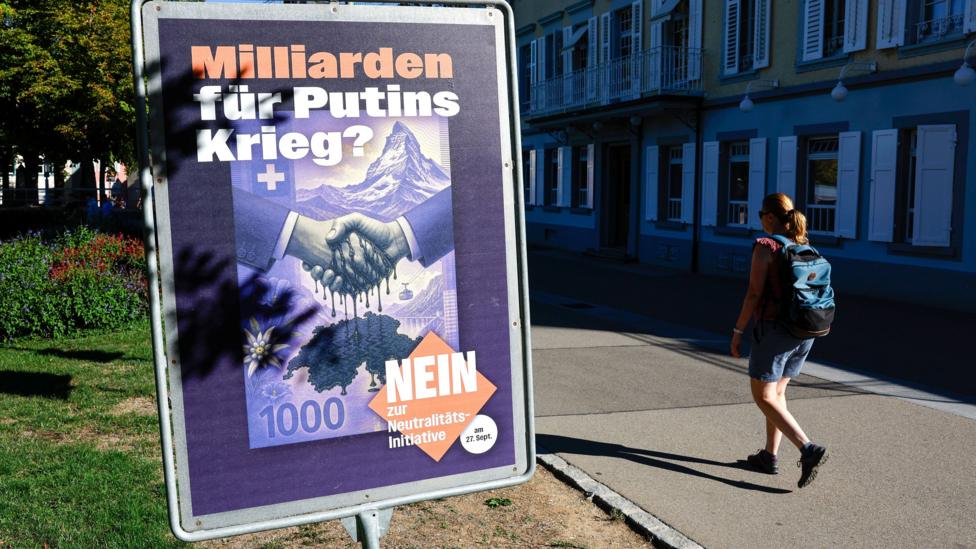
In a recent referendum, more than 70% of the Swiss electorate voted against a proposal that would have tightened the country’s tradition of diplomatic neutrality. The initiative, backed by right‑wing groups and Russia itself, would have required the United Nations to approve any sanctions imposed by Switzerland and bar the nation from deepening ties with NATO.
Swiss politicians said the result affirmed the country’s commitment to standing against the violation of international law while preserving its independent foreign policy. Federal Foreign Minister Ignazio Cassis described neutrality as "flexible" and stressed that it does not mean indifference. He added that Switzerland will "not look away" when it sees breaches of the rules that secure global peace.
The debate over neutrality has flared again since Russia’s full‑scale invasion of Ukraine. While the Swiss government and major parties opposed the new restrictions, the right‑wing Swiss People’s Party supported them. Analysts noted that voters did not reject neutrality itself but expressed a desire to support sanctions against Russia in line with international norms.
Switzerland’s neutrality was formally recognised in 1815 at the Congress of Vienna and codified in the 1907 Hague Convention, which limits the country’s supply of weapons to belligerent states. The nation has historically upheld this stance, although it has also issued apologies for past policies, such as turning away Jewish refugees during World War II. The country’s system of direct democracy means major policy shifts are frequently decided through referenda.