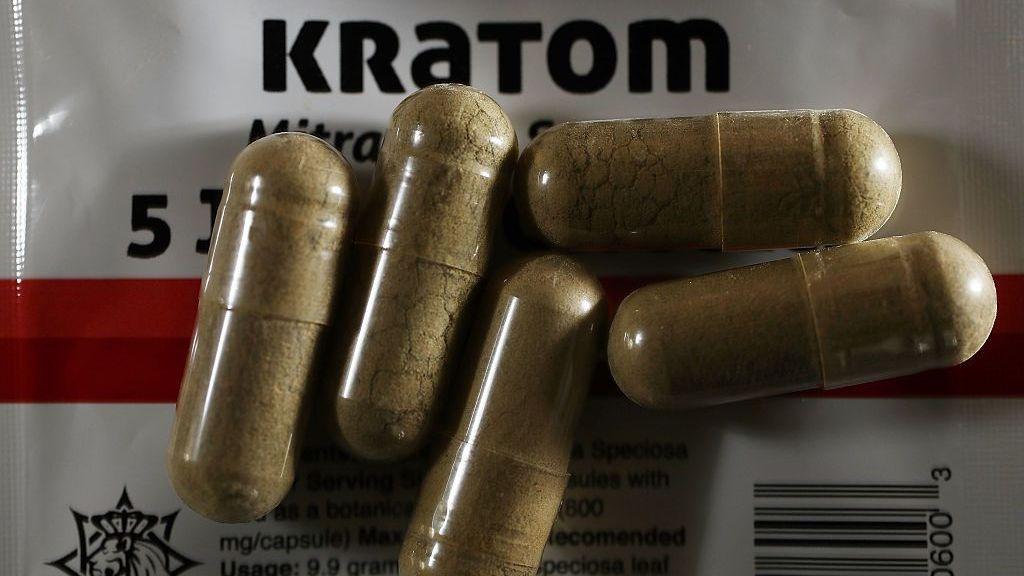
Kratom: The ‘Gas‑Station Heroin’ That’s Raising U.S. Concerns
Kratom, a leaf from a timber tree native to Thai and Indonesian forests, has become common in U.S. convenience stores, vape shops and online marketplaces. Marketed as a safe, natural remedy, it is sold as powdered capsules, liquid extracts or tablet form. While many users turn to it for chronic pain or addiction relief, scientists warn that its unregulated status creates serious health risks.
What Is Kratom?
Kratom was traditionally used in Southeast Asia as a stimulant and for mild analgesia. In the U.S., the drug entered the market roughly in 2016 as a supplement, and because it is not classified as a drug by the Food and Drug Administration, there are no federal limits on its sale or dosage.
Uses and Popularity
Users often claim that kratom can reduce pain, ease anxiety, or help they stop other opioids such as fentanyl. At low doses, it is described as “caffeine‑like,” whereas higher doses can produce a sedative, opioid‑like high. The substance’s active compounds, notably 7‑hydroxymitragynine, interact with the brain’s dopamine system, creating both relief and strong addictive potential.
Effects and Risks
While some describe the experience as a “miracle,” health experts warn that the drug can cause central nervous system depression, cardiovascular collapse and respiratory arrest when taken in high doses or mixed with other substances. Chronic use may lead to tolerance, withdrawal symptoms and financial loss, and several fatal overdoses have been linked to uncontrolled kratom products.
Is Kratom Legal?
Currently, 11 U.S. states—including Alabama, Arkansas and Massachusetts—have banned kratom, while the remaining states permit sale with no federal regulation. The Drug Enforcement Administration previously attempted to schedule kratom as a Schedule 1 drug but withdrew after public backlash. In contrast, countries such as the United Kingdom and Malaysia have prohibited its sale and use.
As protests and lawsuits mount, advocacy groups on both sides call for clearer regulation, better product labeling and enhanced public education about the potential dangers of this popular but risky supplement.