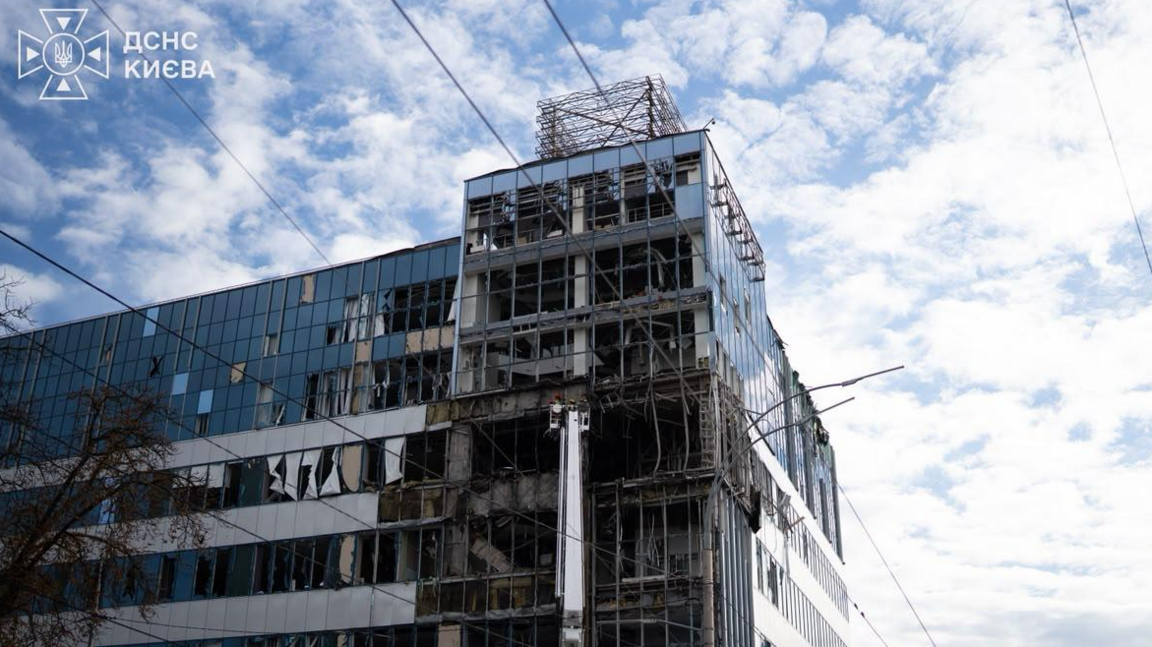
In the early hours of 15 August, a fire erupted at Milrem Robotics’ headquarters in Tallinn, Estonia. The company, a leading manufacturer of unmanned military vehicles, supplies a range of systems to Ukraine, making it a high‑profile target for Kremlin‑backed operatives.
Prime Minister Kristen Michal confirmed that the blaze was planned by Russian intelligence services, though no names were given. Interior Intelligence Service chief Margo Palloson described the attack as Russia’s first successful sabotage operation this year, stressing that the perpetrators—three Latvian nationals—were closely monitored and arrested by Estonian authorities.
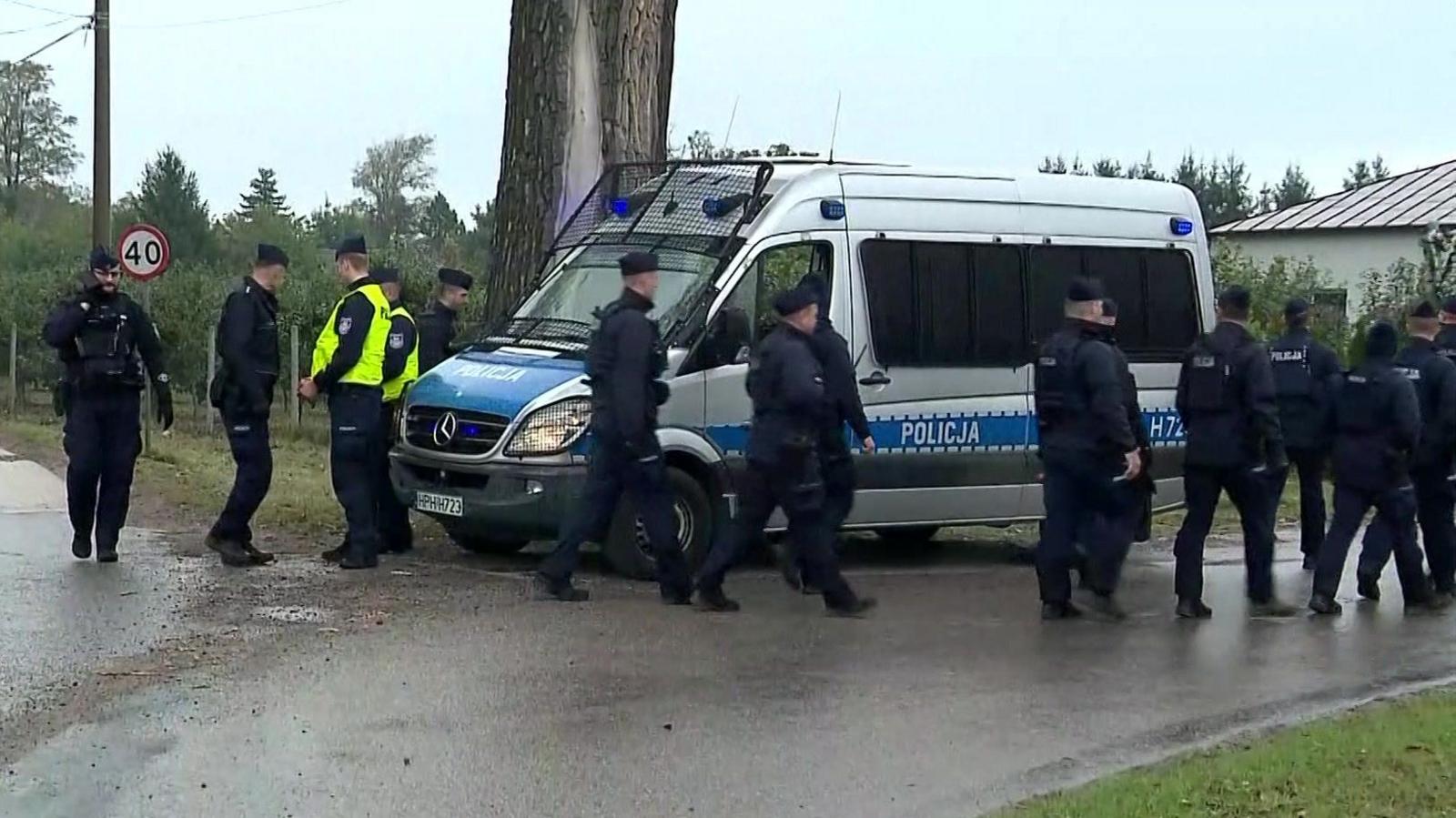
The incident has fueled a wave of accusations across Europe. Earlier in August, Germany’s Leipzig airport saw a drone laden with explosives, Bulgaria experienced a warehouse fire, Italy’s munitions plant in Rome was rocked by an explosion, and Slovakia faced a suspected arson on a Ukrainian drone maker. Polish authorities have also reported similar suspicious fires.
NATO chief Mark Rutte and French President Emmanuel Macron have taken a firm stance, warning that these hybrid warfare tactics aim to undermine collective resolve. Rutte called the series of attacks an attempt to “weaken our resolve and stop our support for Ukraine,” while Macron said the actions represent a “dangerous escalation” that could lead Russia into a dead end.
Russia has repeatedly denied involvement. Kremlin spokesman Dmitry Peskov dismissed the claims as baseless, insisting that there is no evidence of Russian state participation.
The EU has reaffirmed its commitment to Ukraine, emphasizing that a single act of sabotage will not deter support. These statements arrive at a time when global allies are reassessing protective measures for critical defence infrastructure.