For weeks, the US and Israel have insisted that Iran's military capacity has been severely degraded. US President Donald Trump and his defense secretary, Pete Hegseth, have repeatedly claimed that sustained strikes have crippled Iran's command structure and weakened its ability to respond.
By their account, the conflict should already be moving towards an end. Yet the opposite appears to be happening. The escalation continues, faster and sharper, with fewer clear exit points.
It emerged on Saturday that Iran had launched two missiles towards the US-UK base on Diego Garcia in the Indian Ocean, a distance of around 3,800km. Although the missiles did not reach the island, the incident has raised fresh concerns about Iran's capabilities, as its missile range was previously believed to be about 2,000km.
This raises significant questions: if Iranian leadership has suffered severe casualties, including the Supreme Leader, who is currently directing Iran's military strategy? Mojtaba Khamenei, reportedly surviving an earlier strike, has not made public appearances, leading to a vacuum of authority information.
Moreover, Iranian actions suggest anything but collapse. Iran has retaliated against Israeli strikes in Bushehr and struck the town of Dimona linked to Israel's nuclear program, indicating robust coordination and resistance rather than disarray.
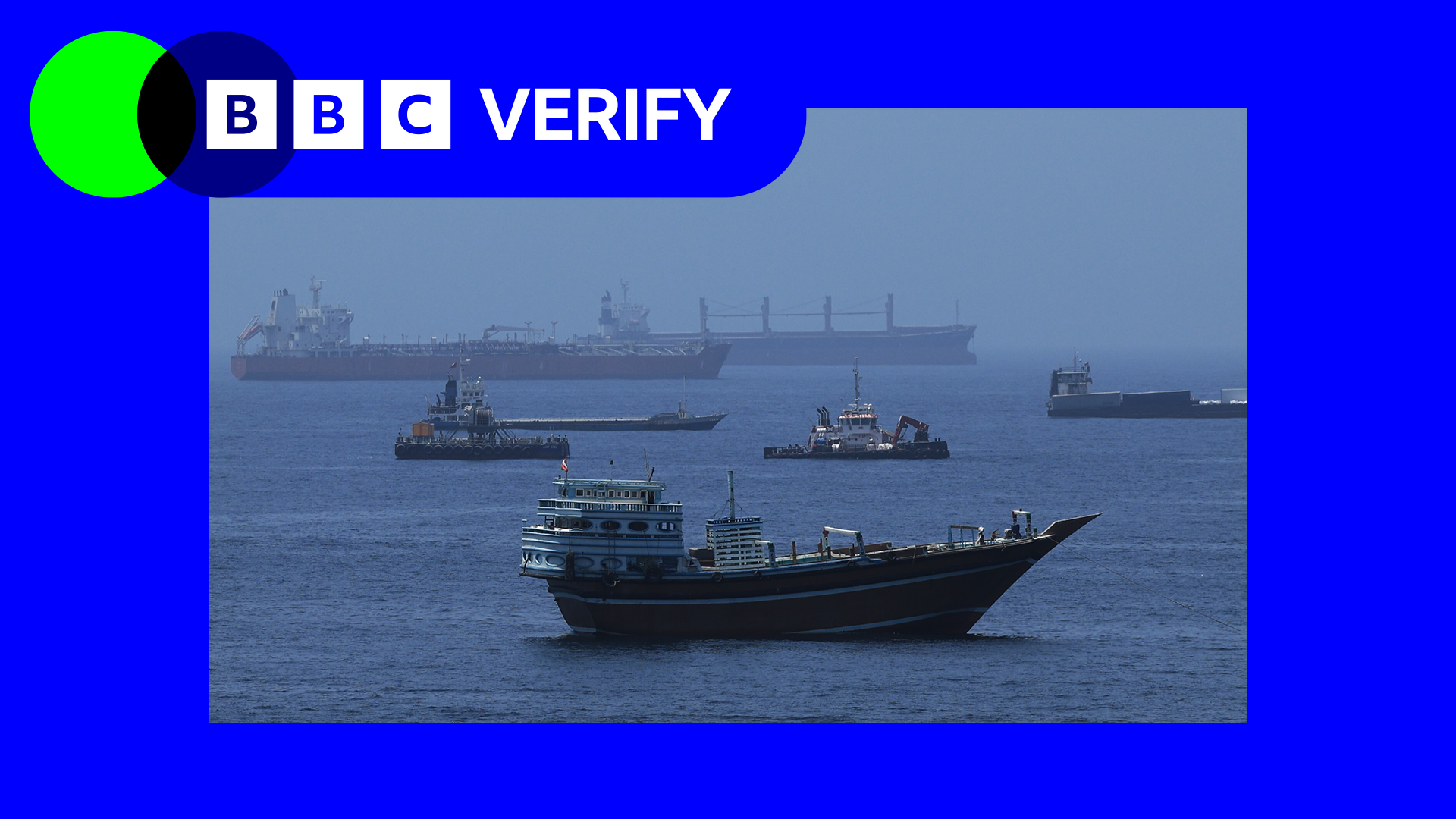
Amidst these rising tensions, Trump's ultimatum demanding the reopening of the Strait of Hormuz puts further pressure on Iran, leading to threats of wider retaliation if Iranian infrastructure is attacked. The risk of miscalculation and conflict escalation intensifies.
While Trump announced a temporary pause on strikes and claimed productive conversations with Iran, underlying uncertainties about who leads Iran complicate the path to resolution. Both nations are now facing limited options, with Iran reluctant to appear weak and the US unable to force a decisive end through aerial strikes alone.