
Okinawa’s simmering anger over the US military's presence boils over as a 20‑year‑old US Marine is arrested for the robbery and murder of a Japanese woman, sparking fresh protests across the island.
When 52‑year‑old Ai Sato reacted to the arrest with the words 'Not again,' she captured the frustration of a generation that has seen US soldiers repeatedly accused of violence and crime. Others, like 62‑year‑old Ginowan resident Akemi Oshiro, say the cycle of incidents has made them numb, yet still fuels a determination to demand justice.
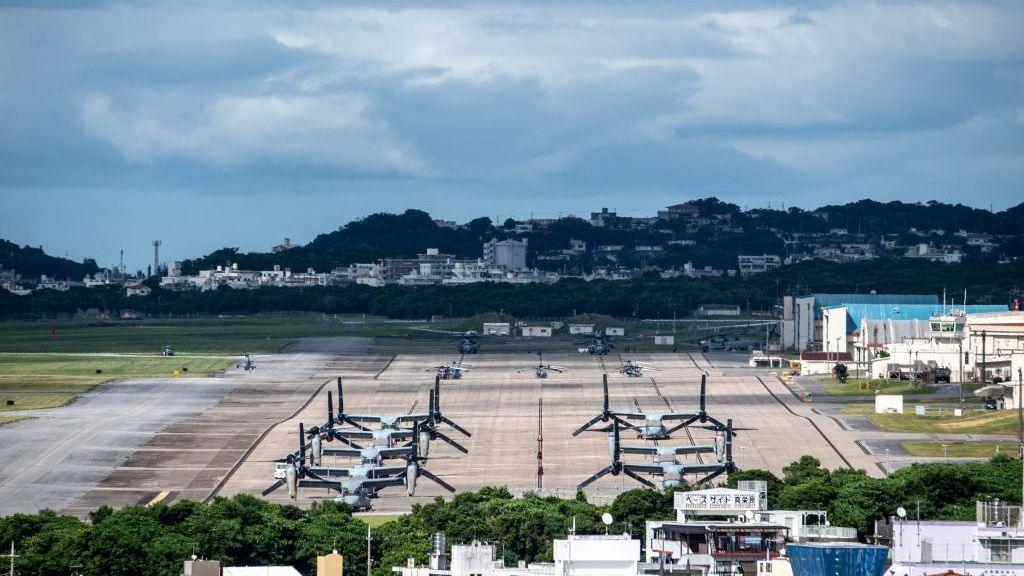
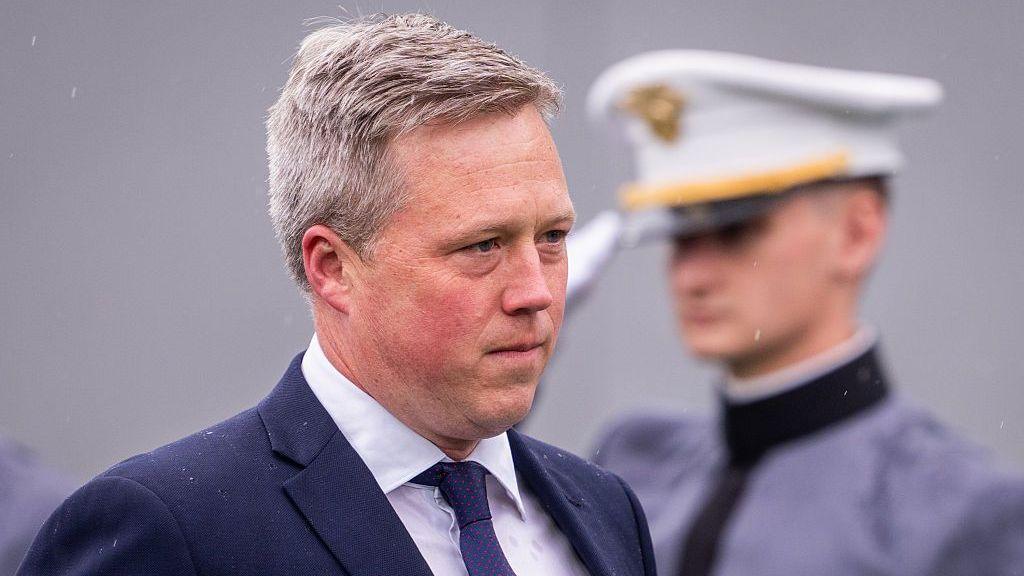
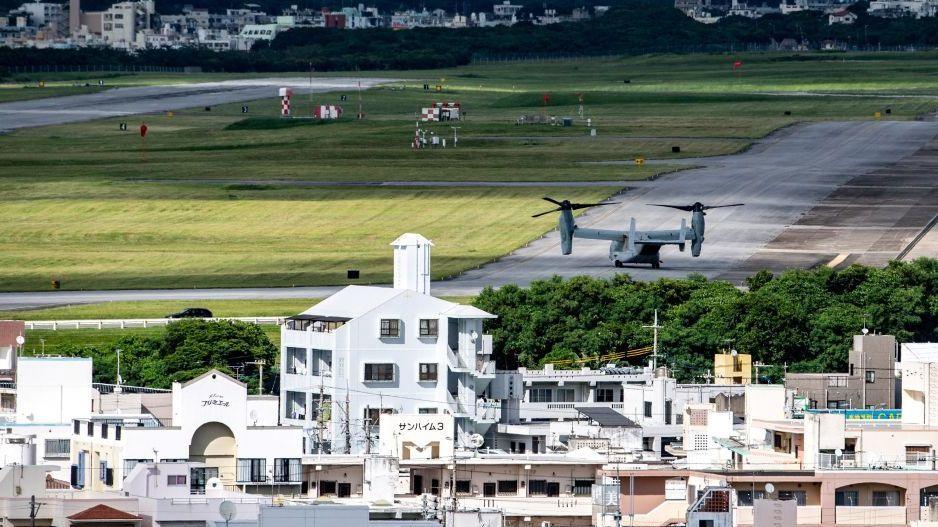
The Marine, Devin Jacob Ballard, serves with the III Marine Expeditionary Force at Marine Corps Air Station Futenma in Ginowan. Police say the alleged robbery‑murder occurred outside official duty, placing the case under Japanese jurisdiction where the suspect remains in custody pending charges.
In 2025, the island saw a US Marine convicted of choking and assaulting a Japanese woman, and in 2016 a teenager was raped and murdered by a US soldier, events that sparked massive protests and led to a life sentence for the perpetrator. Such high‑profile crimes have entrenched a sense of unease among Okinawans, a feeling that the US presence is a source of persistent crime and danger.
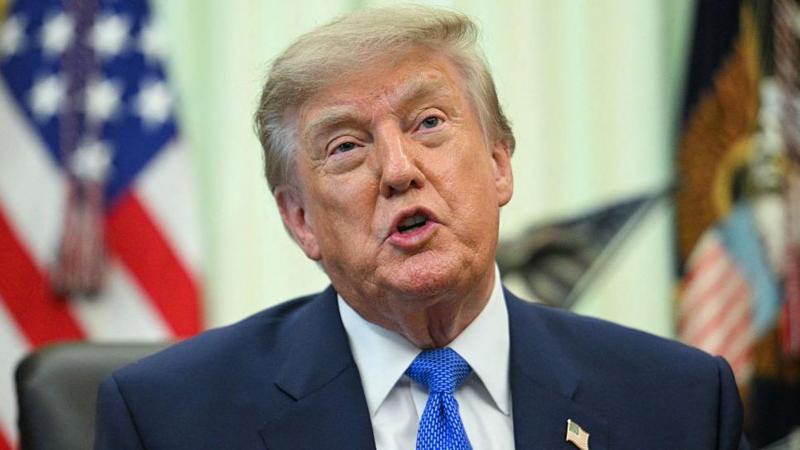
Japanese Prime Minister Sanae Takaichi has lodged an official protest with Washington, but local residents insist that words are not enough. Many want the prime minister to call President Trump directly to push for concrete policies that would end repeated violations.
The arrest also rekindled the debate over the legal jurisdiction of US troops stationed in Japan. While US forces are meant to operate under a Status of Forces Agreement, the reality in Okinawa has often seen Japanese authorities and US officials negotiating custody and extradition to ensure cases are tried locally.
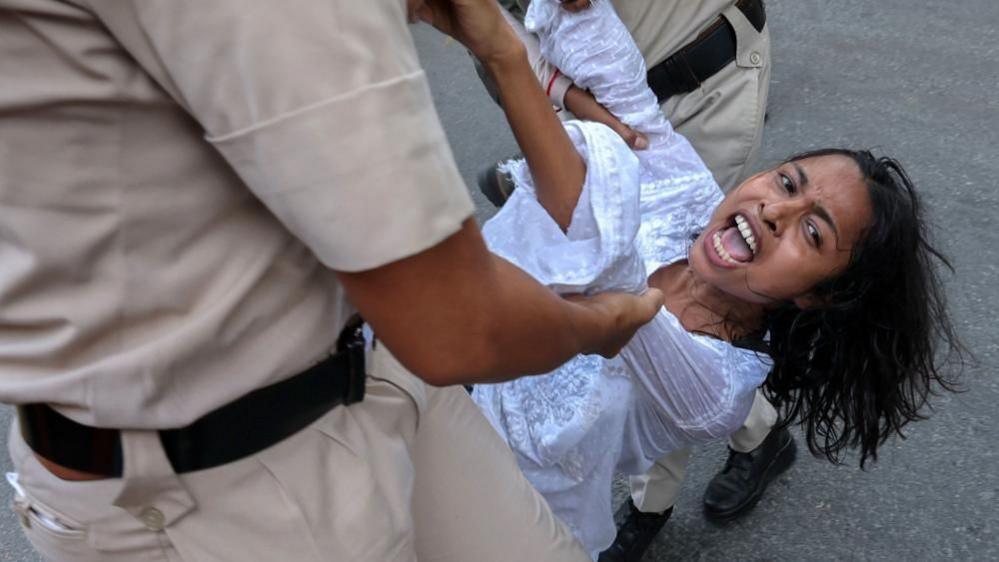
Across Naha and Tokyo, roughly a hundred protestors have gathered to demand the arrest of the Marine be followed by a genuine legal process. On social media, angry voices call for an end to the perceived impunity enjoyed by US forces, demanding not just investigations but meaningful consequences.
Okinawa remains one of Japan’s smallest prefectures but houses 70% of the land used by US forces in the country. With about 55,000 U.S. military personnel stationed throughout Japan, the tension between national government policy and local dissatisfaction has never been higher.