Tennessee Suspends Capital Punishment After Inmate Survives Lethal Injection

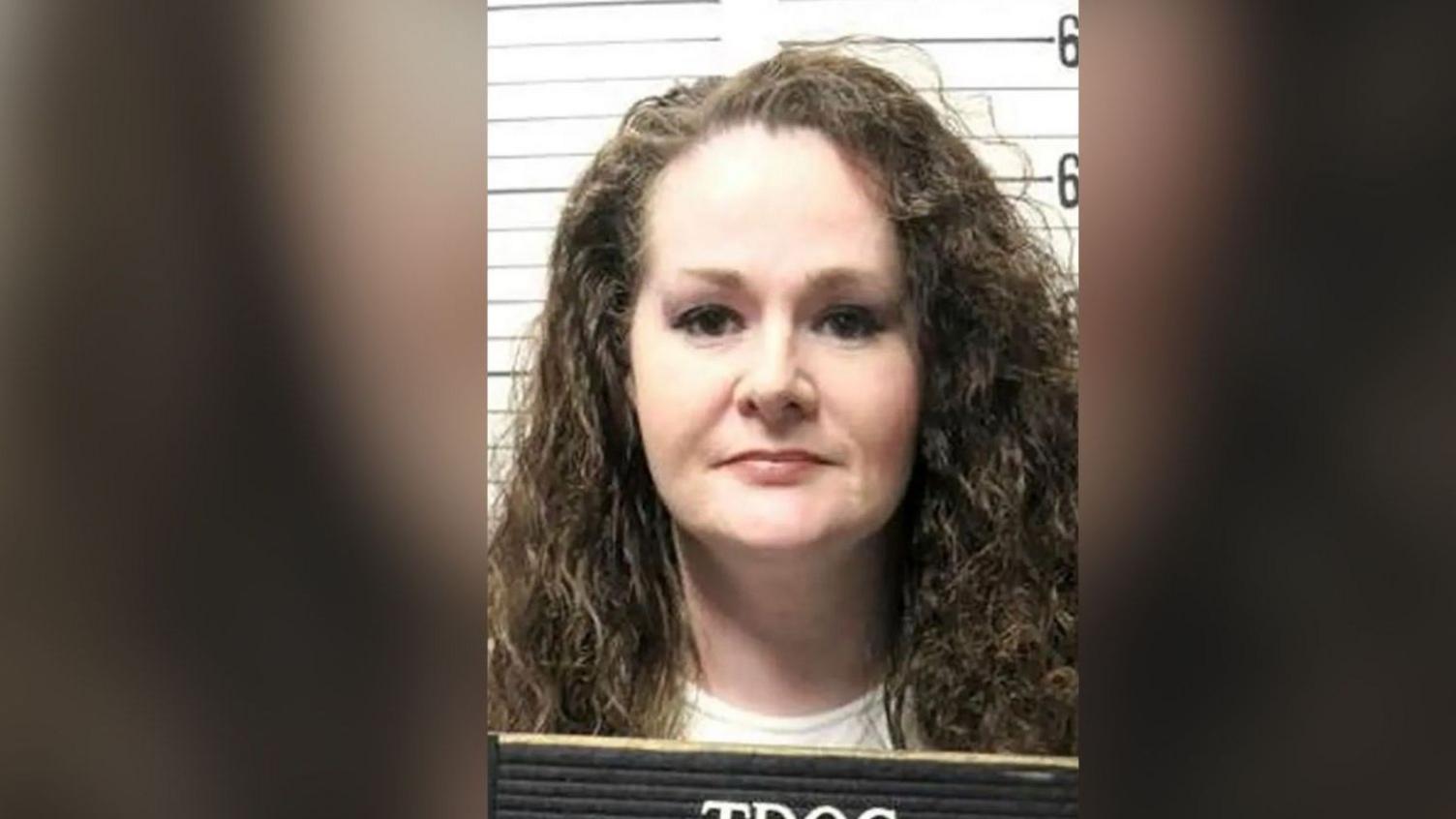
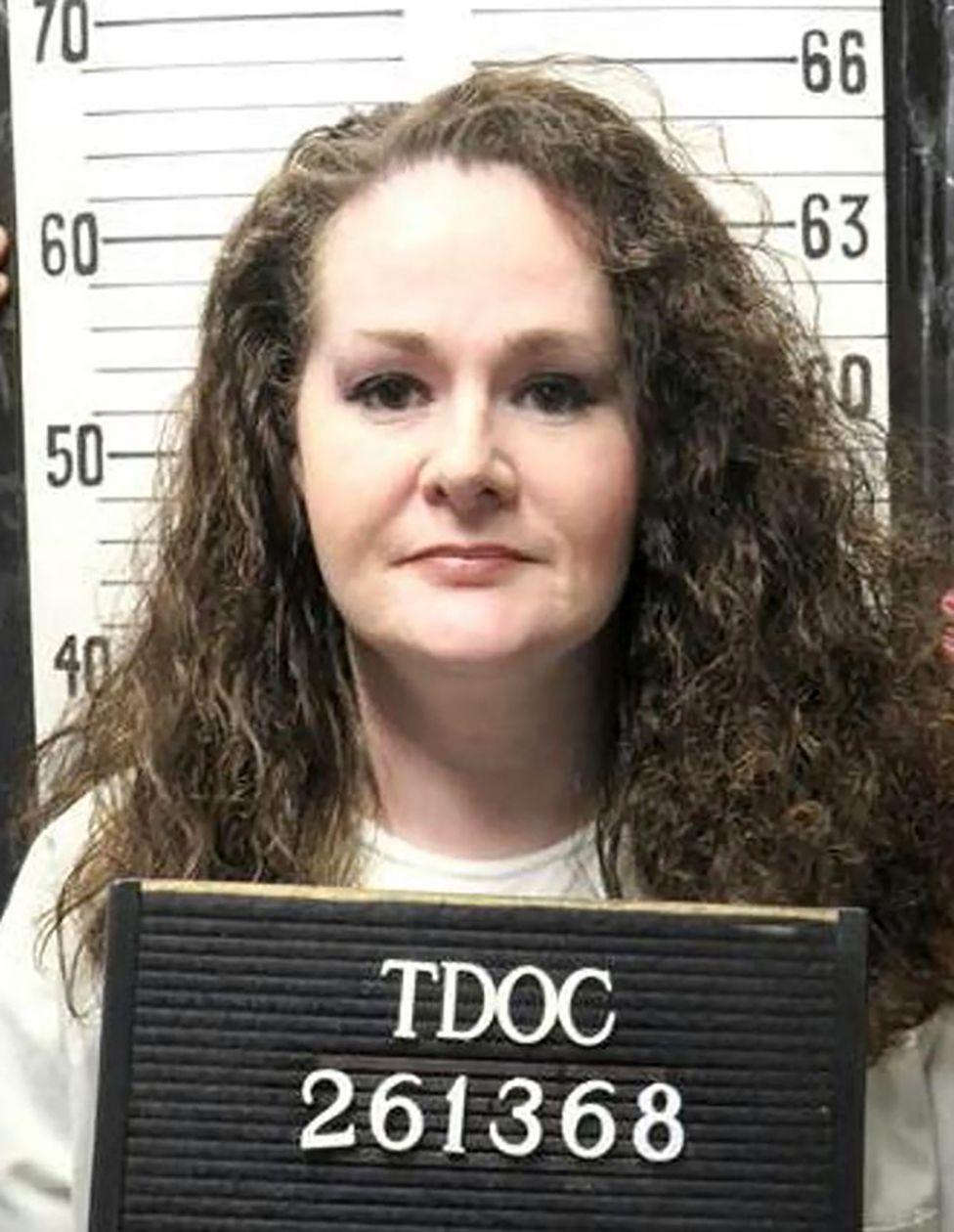
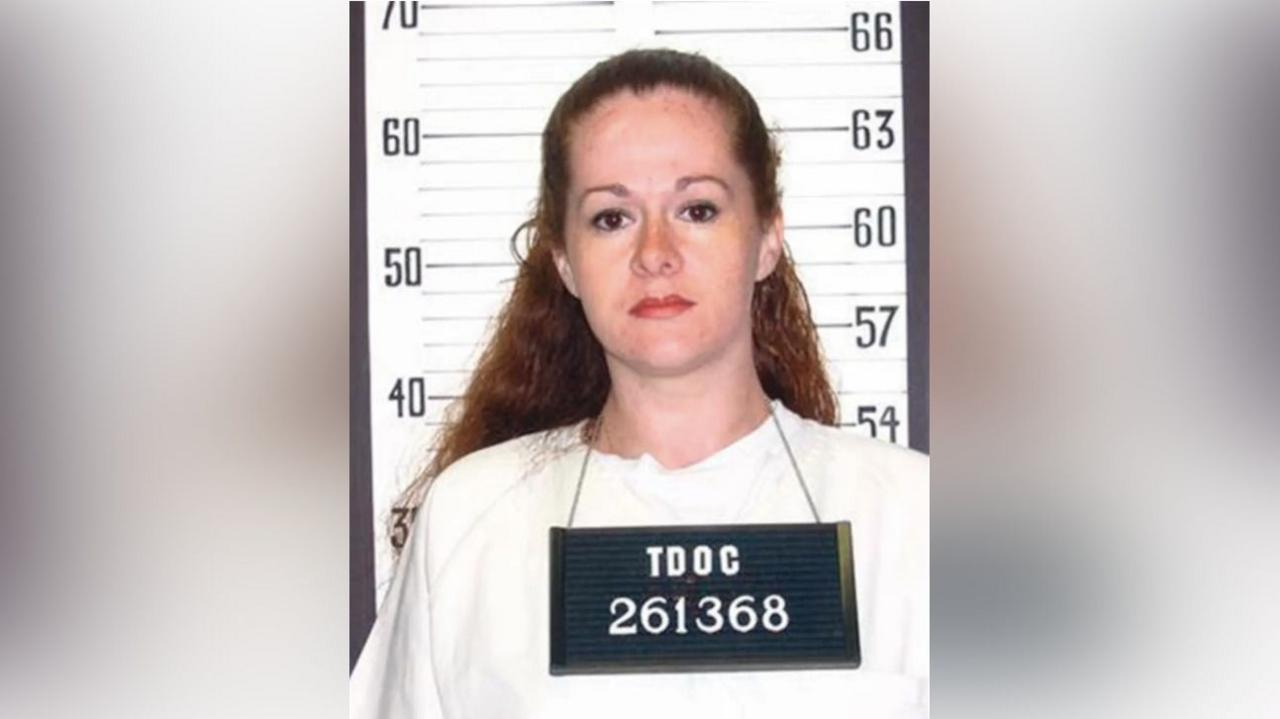
Executions in Tennessee have been halted for the rest of the year, Governor Bill Lee said, after two attempts to execute death row inmate Christa Pike by lethal injection failed.
In a statement to CBS News, Lee announced the suspension and called lethal executions one of the state’s most serious responsibilities. He also ordered a third‑party review to determine exactly what went wrong.
Prison officials on Wednesday tried to administer two lethal doses of pentobarbital to Pike, but she survived and was taken to a hospital. Her current medical condition is unclear.
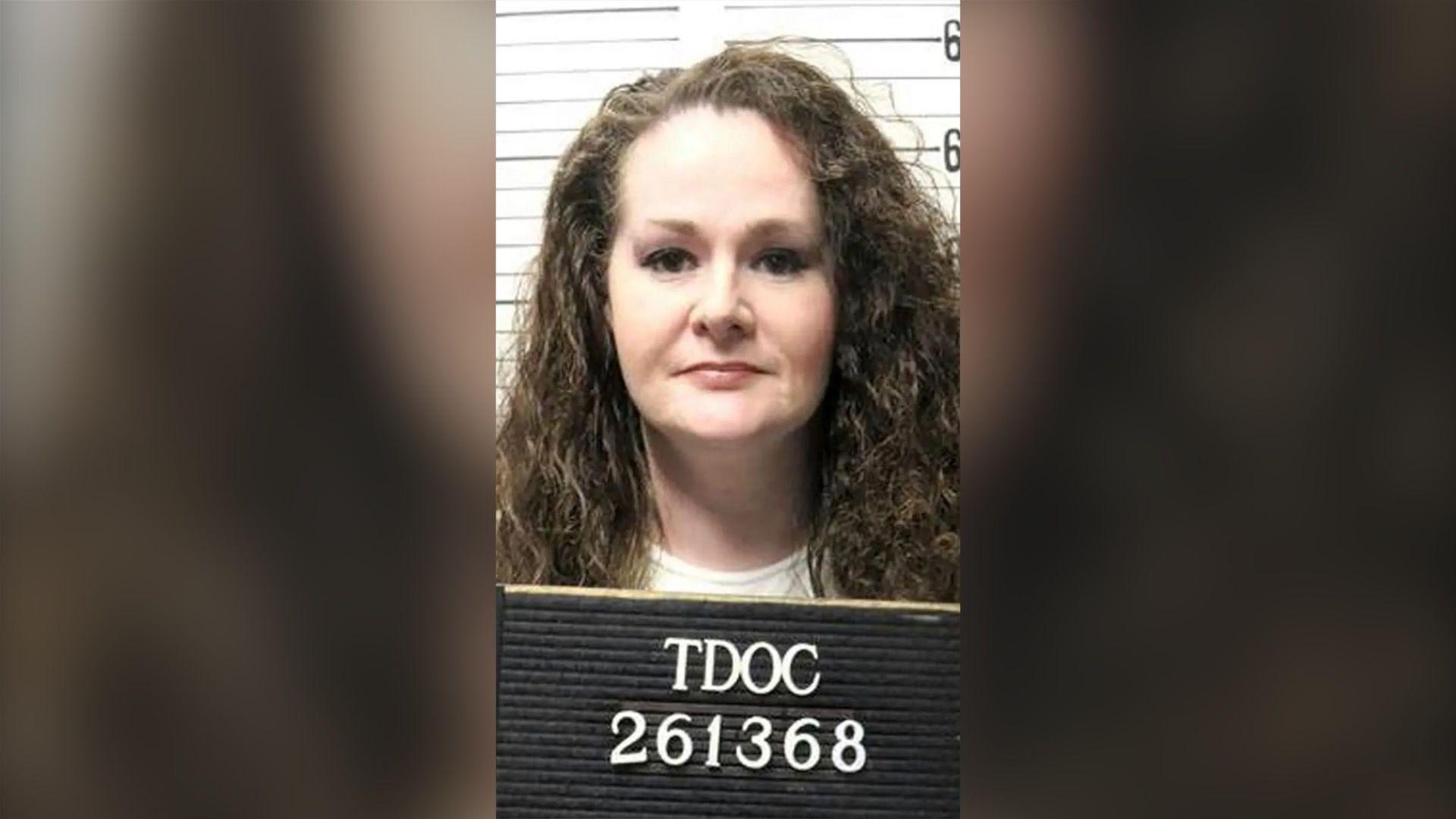
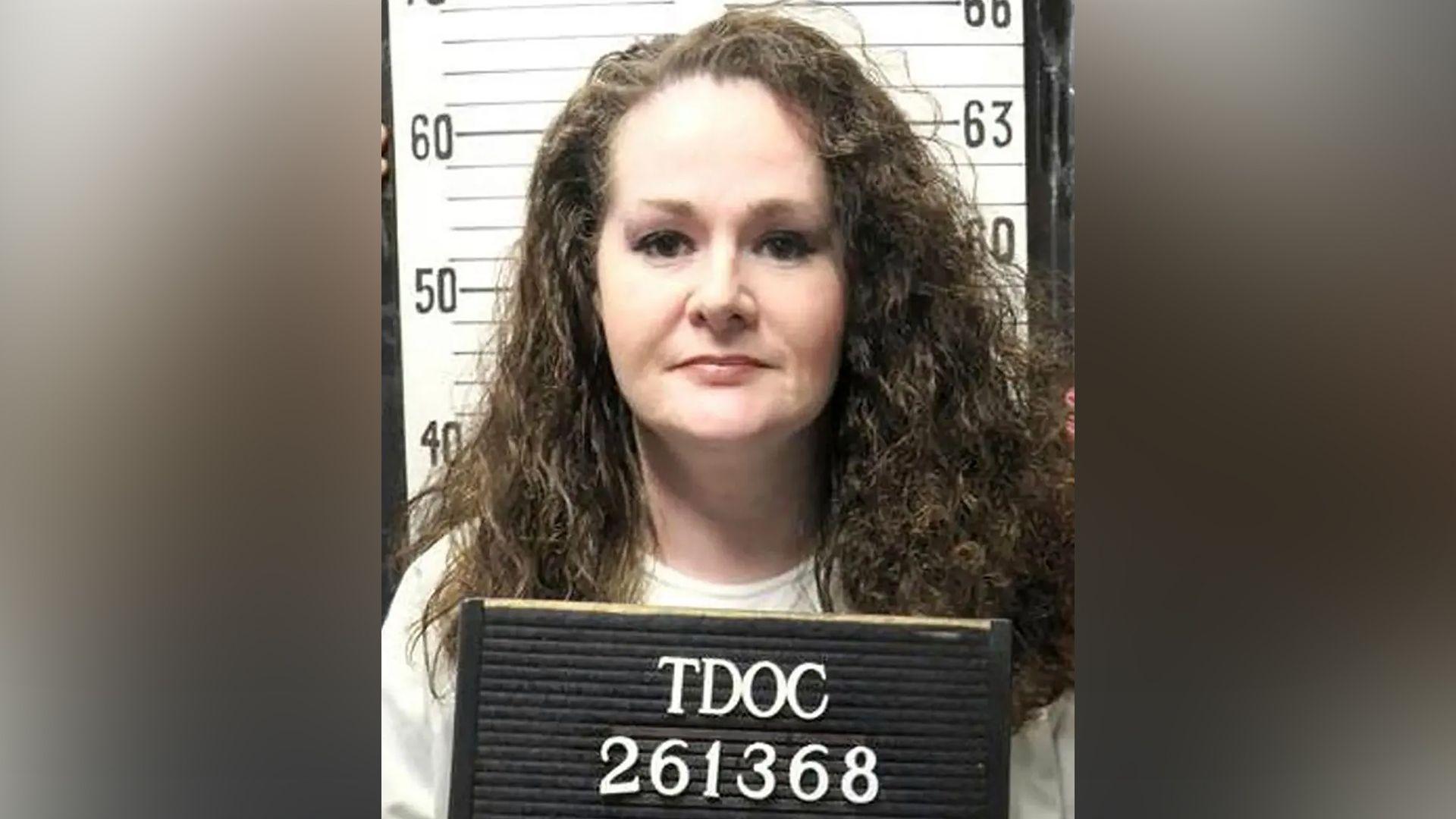
Pike, 50, received her death sentence in 1996 for the murder of 19‑year‑old Colleen Slemmer. She was 18 when she and then‑boyfriend Tadaryl Shipp beat, tortured and killed Slemmer.
Pike would have been the first woman to be executed in Tennessee in over 200 years.
Speaking with reporters at a ribbon‑cutting ceremony, Governor Lee expressed disappointment, saying: "I am highly disappointed, along with Tennesseans, about what happened last night."
The governor has not yet named the independent body that will carry out the review of the state’s execution protocol.
The pause on executions coincides with the planned execution of convicted murderer Gary Sutton on December 3.
Pike’s lawyers filed court documents stating she required lifesaving measures after the botched execution attempt.
The Tennessee Department of Correction issued a statement defending the protocol, claiming it followed every step of the legally approved execution process and that the lethal injection chemical had been effective in the past.
This marks the second failed execution attempt in Tennessee in 2026. Earlier in May, the execution of Tony Carruthers was called off after staff could not locate a vein, leading to a one‑year reprieve for the inmate.