As the war rages on, particularly in the south, the once-peaceful Christian villagers of Aitou in northern Lebanon have found themselves caught in a complex web of conflict. Initially sheltered from the chaos, their tranquility was shattered when displaced Shiite farmers from the south sought refuge in their village. This influx of refugees has heightened existing sectarian tensions in a country where multiple religious groups have coexisted, albeit uneasily, for decades.
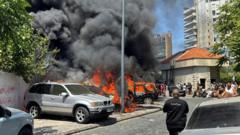
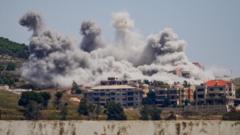
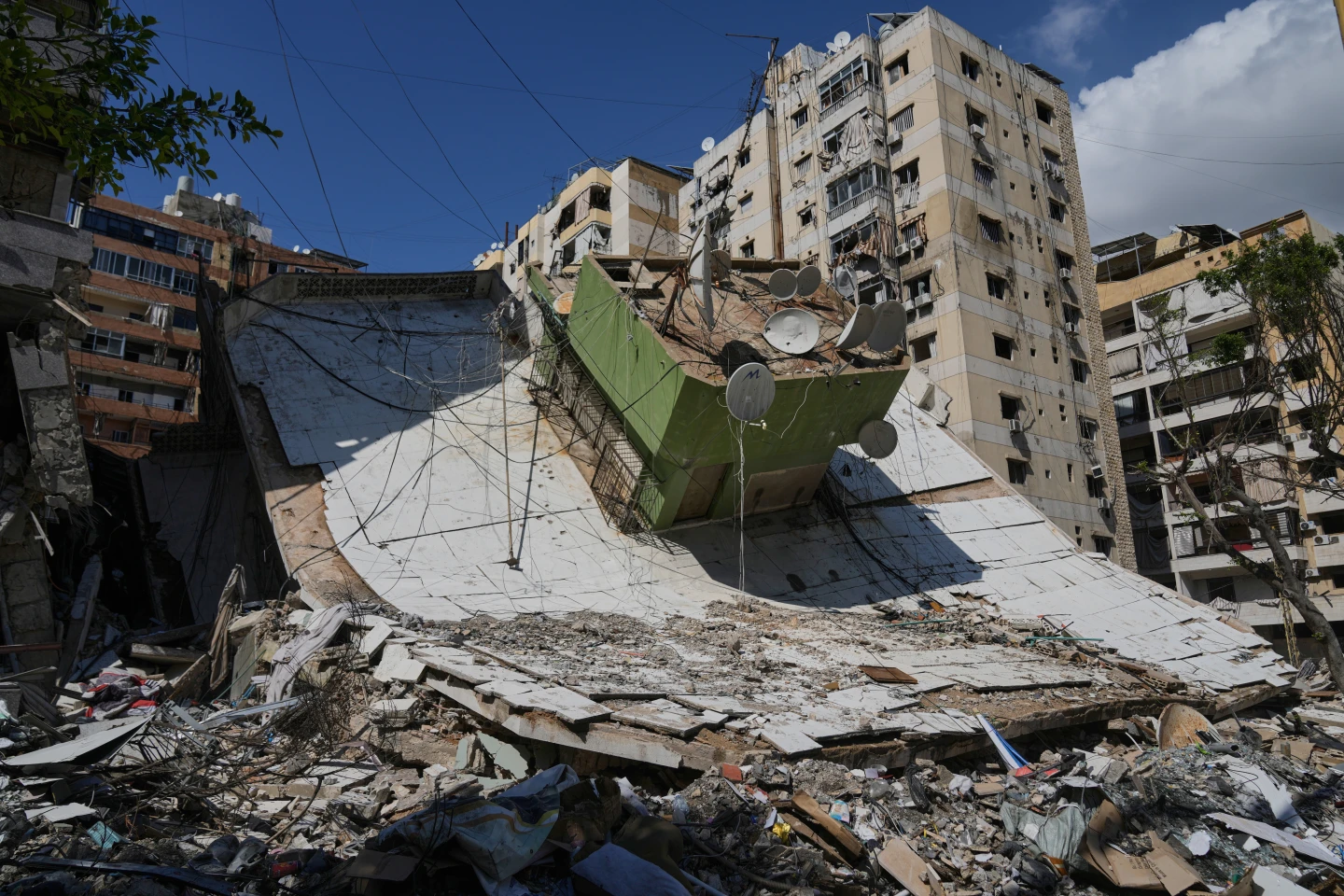
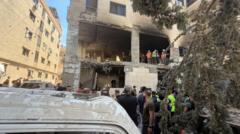
In a heartbreaking incident on October 14, an airstrike targeted a home where a Shiite family had sought sanctuary after receiving aid reportedly linked to Hezbollah. Tragically, the airstrike killed all the occupants, leaving residents bewildered and fearful as devastating reminders of the war continue to loom. Local witnesses described the scene, where financial aid, both U.S. dollars and Lebanese pounds, was seen blowing in the aftermath.
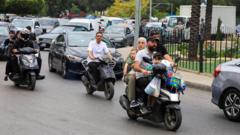
The intensity of Israeli airstrikes has escalated since September, forcing hundreds of thousands of individuals—primarily from the Shiite community—to flee towards northern areas, often into the arms of families harboring deep-seated historical grievances. This cycle of displacement and violence raises pressing questions over the futures of Lebanon's diverse sects as the war intensifies and the fabric of society frays.
Aitou’s residents now face a no-win situation: their hospitality towards displaced families puts them at risk of Israeli strikes, while the escalating conflict continues to forge deep splits within communities, igniting fears of revenge, blame, and further violence. Despite war’s cruelty, symbols of hope, such as a solitary statue of St. Charbel remaining upright amidst the destruction, offer a glimmer of resilience in a time of despair.
In a heartbreaking incident on October 14, an airstrike targeted a home where a Shiite family had sought sanctuary after receiving aid reportedly linked to Hezbollah. Tragically, the airstrike killed all the occupants, leaving residents bewildered and fearful as devastating reminders of the war continue to loom. Local witnesses described the scene, where financial aid, both U.S. dollars and Lebanese pounds, was seen blowing in the aftermath.
The intensity of Israeli airstrikes has escalated since September, forcing hundreds of thousands of individuals—primarily from the Shiite community—to flee towards northern areas, often into the arms of families harboring deep-seated historical grievances. This cycle of displacement and violence raises pressing questions over the futures of Lebanon's diverse sects as the war intensifies and the fabric of society frays.
Aitou’s residents now face a no-win situation: their hospitality towards displaced families puts them at risk of Israeli strikes, while the escalating conflict continues to forge deep splits within communities, igniting fears of revenge, blame, and further violence. Despite war’s cruelty, symbols of hope, such as a solitary statue of St. Charbel remaining upright amidst the destruction, offer a glimmer of resilience in a time of despair.