In brief
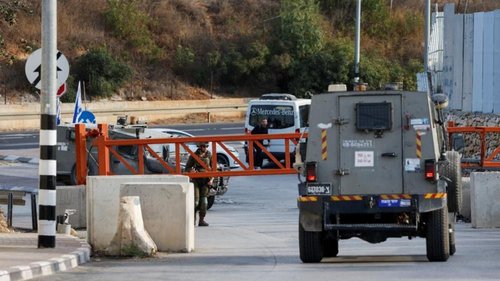
Israel intensified air and artillery attacks in the southern part of Lebanon, claiming to target Hezbollah infrastructure. Local authorities reported 17 fatalities, including strikes on the cities of Tayr Debba and Sidon. The clashes deepen an already volatile conflict that began in March after Iranian leaders retaliated for Israeli strikes on Iran’s Supreme Leader. A UN human‑rights team is set to review potential violations while Israel has yet to confirm cooperation. The incident adds to the ongoing humanitarian crisis affecting one‑million Lebanese civilians.
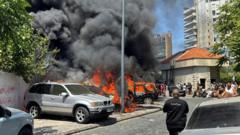
Israeli warplanes and drones struck several positions in southern Lebanon, killing seventeen civilians and injuring dozens more, officials in Beirut report. The hits occurred across towns such as Tayr Debba, the village of Deir Qanoun el‑Nahr, and the coastal city of Sidon.
The Lebanese state news agency said the strikes were aimed at Hezbollah’s launch and support infrastructure, but the operation left a deep scar on local communities. “We intend to keep targeting hostile assets in the south while keeping civilians sheltered,” an Israeli spokesperson told an office in Jerusalem, though no direct comment followed the Wednesday attacks.
Hezbollah responded with rocket barrages and artillery fire against Israeli troops in the Bayada and Yohmor areas. Meanwhile, Iranian leaders warned Israel against further aggression or the movement would resume, reviving the broader conflict that began in March with the second Iranian‐Israeli war.
The United Nations human‑rights chief, Volker Türk, announced a team of investigators would travel to Lebanon on the government’s invitation to document alleged violations by all parties since the March flare‑up. The committee will compile findings by the end of July, which could lead to war‑crime prosecutions if credible evidence emerges.
Throughout the conflict, Lebanon has suffered 3,696 reported deaths from Israeli operations according to the health ministry, leaving roughly one‑million citizens displaced and over 1.4 million in need of aid. A ceasefire brokered by the United States in April has not halted further exchanges, as Iran and Israel have already traded blows in early June, intensifying the tension between their allies.
The latest strikes bring a new wave of civilian casualties and underscore the fragile state of security in the Levant. For communities on the front lines, the results are a daily reminder of the high price of geopolitical rivalry, with humanitarian hope held by peace talks that remain elusive.