In brief
Ukrainians are bracing for extreme cold with temperatures forecasted to drop below -20°C this weekend. Residents like Yulia, living without central heating since Russian strikes targeted the energy grid, are struggling to stay warm. Despite a temporary 'energy truce' announced by President Trump, many remain skeptical as attacks and civilian casualties continue in other regions. As engineers work tirelessly to restore services, the fear of burst heating pipes and worsening conditions grips the population.
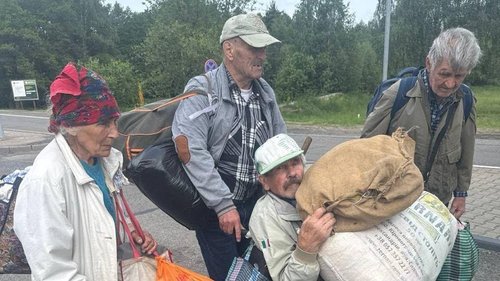
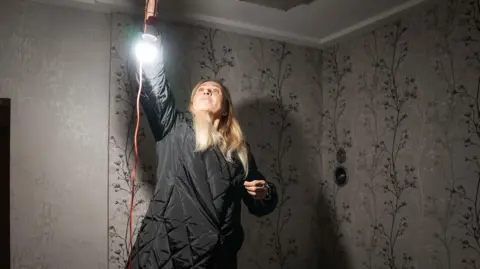
It's not the electricity cuts that Yulia Hailunas struggles with most after the Russian airstrikes. It's the fact that it's so bitterly cold inside her own home. Like many Ukrainians, she's had no central heating since Russia launched a wave of targeted attacks on the power grid in January.So Yulia now lives in a long, quilted coat and hat in her flat and rests her feet on a saucepan-full of hot water to keep them from freezing. If that's not enough, she lifts weights for 10 minutes to get warm. When the weather outside is above zero, it's just about bearable. But later this weekend, the temperature in Dnipro is forecast to plunge below -20C. In Kyiv and elsewhere, it could be colder still. That's what's really scary, because all the heating pipes will burst and we won't be able to repair them again. It will be a catastrophe, Yulia worries.On Thursday, Donald Trump announced that Vladimir Putin had agreed to halt attacks on Ukraine's major cities during the 'horrendously cold' snap, supposedly for a week. The US president called it 'very nice' of his Russian counterpart to agree to an energy truce.However, the Kremlin soon clarified that Putin's burst of goodwill expires on Sunday, just as the coldest weather is expected to set in. Ukraine's heating system is breaking down, and the Geneva Convention, which bans attacks on infrastructure that cause excessive harm to civilians, is being overlooked as this is the fourth winter in a row that energy grid systems have been targeted by Russia.Engineers are working round the clock to restore electricity and heating in Dnipro, Kyiv, and beyond. But an extended pause in strikes is met with skepticism by the population, who feel the ongoing threat of attacks.January has seen fewer major strikes, yet many believe this quiet will end as winter deepens and hardships grow. Meanwhile, families forced to evacuate are left grappling with their losses as they seek refuge in temporary centers, relying on aid to survive the harsh winter conditions as the conflict rages on.