In brief
President Trump's call for NATO to take action in securing the Strait of Hormuz has met with hesitation from allies. Leaders express concern over the implications for NATO’s mission and the practicality of military involvement in the Iranian crisis. While the U.S. considers military options, European nations appear reluctant to engage directly, emphasizing the need for diplomacy over warfare.
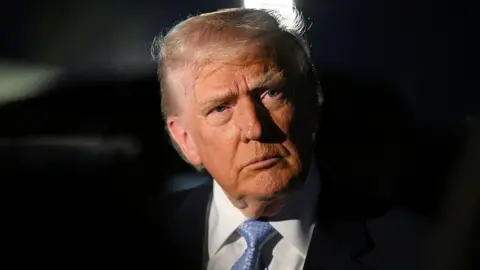
Throughout his two terms in office, Donald Trump hasn't been shy to criticize – even to attack – Washington's NATO allies. But his latest suggestion – that failing to secure the Strait of Hormuz would be very bad for the future of NATO – implies an understanding of the alliance's purpose that has already raised eyebrows. General Sir Nick Carter, former Chief of the Defence Staff, remarked, NATO was created as a defensive alliance, advising against obligations that could lead allies into wars of choice.Coming from a president who recently made bold claims regarding Greenland, the remarks elicited blunt responses from some nations. In Germany, a government spokesman asserted, the war with Iran has nothing to do with NATO, while Defence Minister Boris Pistorius questioned the effectiveness of European forces in comparison to the U.S. navy. He added, This is not our war. We have not started it.As the impact of Trump's decisions becomes more apparent, the urgency for a diplomatic solution grows. Iran's latest measures to obstruct the Strait of Hormuz have left Western governments on edge, raising alarm about the threat to global trade. Conversations among U.S., European, and Gulf partners are ongoing, yet no quick solutions appear to be on the horizon.Despite the tumultuous landscape, leaders across Europe show reluctance towards direct military involvement, with German leaders firmly declaring their intent to abstain. The operational commitment from EU allies could evolve, but the appetite for expanded military roles remains tepid, putting the situation in a delicate balance as the crisis unfolds.