In brief
Ukraine’s Finance Minister Sergii Marchenko highlights the urgent need for economic stability as the nation fights against ongoing Russian aggression. With a budget shortfall and dependence on foreign aid, the government is pushing for new tax reforms and securing substantial EU loans to support military and social expenditures. Despite the challenges, optimism remains as foreign investment interest grows for Ukraine's post-war recovery.
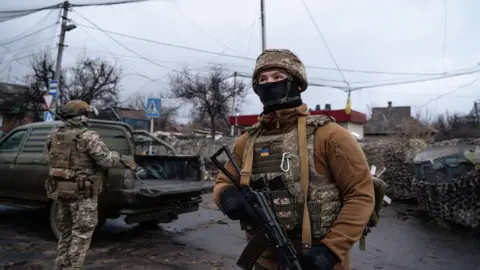
For Ukraine, the financial frontline is perhaps the unseen battlefield in the war with Russia. Keeping the economy on a level footing isn’t just about today but is central to the future that they’ve fought for over the past four years.
We don’t want to be just a poor neighbour [to the EU], says Finance Minister Sergii Marchenko. We want to provide for Europe, something which they lack, referring to the military expertise that Ukraine has developed since February 2022. Marchenko notes that the very painful experience Ukraine has gained could also help the rest of the continent defend itself.
Membership of the EU is a priority for Kyiv, leading to gratitude for financial support that brings Ukraine closer to its goal, as a new €90 billion ($105 billion) loan from the EU aims to cover budget shortfalls for the next two years.
The loan represents a significant portion of a $136.5 billion international support package essential for Ukraine's survival. High defense costs overshadow its economy, with military spending constituting about 27% of Ukraine's GDP compared to Russia's 5.1%.
Despite a growing reliance on international aid, which includes increased tax revenues after new tax reforms, issues such as inflation and a shortage of skilled labor pose serious challenges. Maintaining economic growth will require both domestic reforms and continued international support.
The Ukrainian government’s focus remains not only on military expenditure but also on social welfare programs like healthcare and education, highlighting the balancing act that they must achieve.
While battling through an arduous war, potential reconstruction efforts draw interest from foreign investors who are optimistic about Ukraine’s economic future post-conflict. With recovery needs projected at $588 billion, embedding a sustainable economy is paramount.