In brief
President Trump's recent comments on securing the Strait of Hormuz have raised concerns among NATO allies about the United States' military expectations. As European leaders express hesitance to engage in military action, the urgency for a diplomatic solution grows amidst rising tensions with Iran, posing risks to global trade and security.
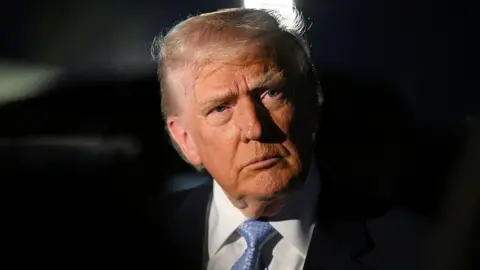
Throughout his two terms in office, US President Donald Trump has not been shy to criticize – even to attack – Washington's Nato allies. Yet, his latest suggestion that failing to secure the Strait of Hormuz would be 'very bad for the future of NATO' implies a surprising understanding of the alliance’s purpose, raising eyebrows globally. 'NATO was created as a defensive alliance,' remarked Gen Sir Nick Carter, the former chief of the Defence Staff. Trump's recent claims, coming just weeks after his comments regarding Greenland, have spurred blunt responses from European leaders. In Germany, a government spokesperson stated that the conflict with Iran had 'nothing to do with NATO.' The urgency to resolve the Gulf crisis has increased, with Iran restricting access to the Strait, raising concerns over global economic impacts. UK Prime Minister Sir Keir Starmer mentioned ongoing conversations with allies for a 'viable plan,' albeit acknowledging a lack of immediate decisions. As leaders express caution about military involvement, including Germany's firm refusal to participate, the prospect of a coordinated response remains uncertain, reflecting the complexity and high stakes of the situation.