In brief
Osasco, once a factory hub, now hosts malls and tech start‑ups, reflecting a national move from manufacturing to a gig‑based economy. The city’s recent vote for Flávio Bolsonaro instead of the three‑time president Luiz Inácio Lula da Silva shows that former workers are re‑aligning as their jobs change. Lula’s traditional union support struggles to adapt to a workforce that values flexibility over collective bargaining. Meanwhile evangelical churches and new media campaigns are mobilising the emerging electorate to support Bolsonaro in the upcoming run‑off.
Osasco’s skyline has changed since the factories that once lit the night turned to empty concrete cages. In their place rise shopping centres, coffee shops and delivery‑app warehouses, a micro‑cosm of Brazil’s new “Silicon Valley”.
In the 2022 elections the city voted for Luiz Inácio Lula da Silva, a man almost a saint to the brick‑and‑mortar proletariat. This month the same voters moved their support to the right‑wing Flávio Bolsonaro – a sign that the working class, once a single bloc, now fragments along new lines.
From ore to apps – the shift is real. Factory doors that idled decades ago are now closed, and the city’s main employer positions have migrated to tech and retail. Most of the crew who once toiled in metal, chemical and textile plants now drive to the bus cabin or accept on‑hand food‑delivery orders. The old unions that brokered strikes for wages no longer sit at the table of decision‑makers.
Gilberto Almazan, a former metalworker who now chairs a local union, tells the story of a boy who grew up hungry on the coast, found a union, and eventually became president. He explains that the union movement feels trapped in the “Middle Ages”, missing the pace of a world that now values flexibility over benefit coverings. "The profile of the working class changed," he says. "They are not mostly industrialists any more; they are service workers.”
The split in Osasco mirrors a broader recess: a citizen group of part‑time drivers for Uber, a stall‑owner who sells hot‑dogs outsourced by a card‑reader, an attorney convinced that Bolsonaro’s promise of cutting spending outweighs his own dubious record. These voices are part of a new working class who questions whether Lula’s grand‑father‑style welfare programs fit the gig‑life market.
Faith and politics collide – evangelical megachurches now occupy 25 per cent of Brazil’s religious landscape. Their pastors double as political operators. Silas Malafaia, a prominent preacher with a million‑strong online following, frequently mentions Flávio Bolsonaro’s alignment with his own stances on family, gender and abortion. He argues that Bolsonaro can defend the church’s values and promote a return to order while also keeping Lula’s welfare agenda afloat. Many of his congregation see Bolsonaro as a candidate, even while some concentrate on rejecting the old establishment rather than endorsing a specific opponent.
In Rio de Janeiro’s lower‑middle favelas, supporters lean on faith for stability. A young mother named Vitoria says that Lula’s min‑wage increases, paid‑leave rules and free medicines still touch her heart. She warns that criminal‑terrorist designations of groups that occupy Maré might provoke the police, resulting in the same massacres that occurred last year. Her dilemma is whether a radical change – or the small step promised by Bolsonaro – could restore security.
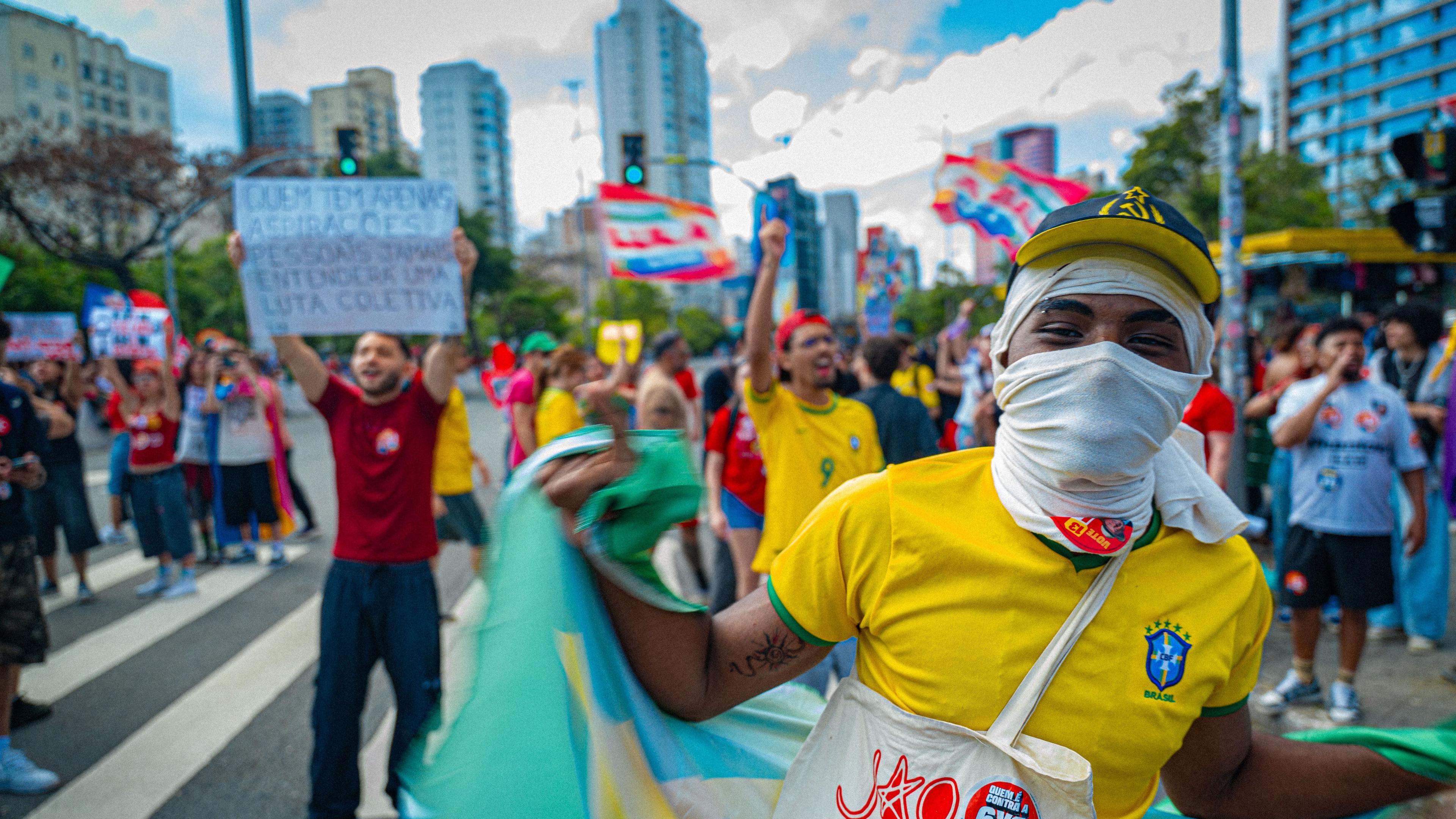
The same uncertainty motivates the run‑off’s millions. Lula’s campaign now shouts from street corners, a weekly rally in São Paulo flickered the face of a million participants on a single day. He counters the notion that he is a relic, describing himself on social media as the "king of selfies" and posting playful clips of his swift movements from place to place.
— The road ahead – The emerging work structure and the new socio‑economic reality alter how Brazilians imagine progress. The demand for job freedom clashes with a collective memory underpinned by union‑brokered security. Whether Lula can translate this new work pattern into a promise of a cleaner, more flexible Brazil or whether Bolsonaro can paint a picture of growth combined with old‑school order remains to be seen. The stage is set: the country will decide in a run‑off this Sunday whether the 80‑year‑old left‑winger preserves his social legacy, or whether the child‑of‑Abdul‑Muttawa’s son will bring a different shape of Brazil to new realities.